Redness & Vascular Laser Treatment in Dubai
Calming Facial Redness, Thread Veins and Broken Capillaries
- Skin Condition
- Nail Condition
- Hair & Scalp
- Minor Procedures
- Botox
- Dermal Fillers
- Mesotherapy
- Skin Booster
- PRP Treatment
- Fat-Dissolving Injection
- Non-Surgical Facial Lifting
- Collagen Biostimulator
- Microneedling
- Scar & Acne Scar
- Cellulite Treatment
- Laser Hair Removal
- Carbon Laser Facial
- Laser Pigmentation
- Laser Acne Scar
- Redness & Vascular
- Tattoo Removal
- Skin Tag Removal
- Deep Cleansing Facials
- Chemical Peels
- Enlarged Pore Treatments
- Skin Brightening
- Stretch Mark Treatment
- RF Microneedling
What Is Vascular Laser Treatment And How Does It Work?
Vascular laser treatment targets the blood vessels responsible for visible redness in the skin. The laser delivers light energy that’s absorbed by the haemoglobin inside those vessels, heating them so they collapse and are gradually reabsorbed by the body. As the treated vessels fade, so does the redness they were causing, whether that’s diffuse facial flushing, individual thread veins, or the broken capillaries around the nose and cheeks.
This is a fundamentally different treatment from pigmentation or resurfacing lasers, because it targets a different thing: blood vessels rather than pigment or texture. That distinction matters, because one of the most common concerns it treats is regularly mistaken for something else: the red or pink marks left after acne clears are vascular, not scars. The skin surface is intact; what remains is dilated blood vessels. Treating those marks as scars with resurfacing misses the actual problem, while vascular laser addresses it directly.
Because much of what vascular laser treats in rosacea, in particular, is a medical condition as well as a cosmetic one, treatment at Yoland is dermatology-led. We treat the visible redness while also managing the underlying condition, which gives a more lasting result than treating the surface alone.
What Vascular Laser Treats
Our doctors assess and treat the following at our Nadd Al Hamar clinic:
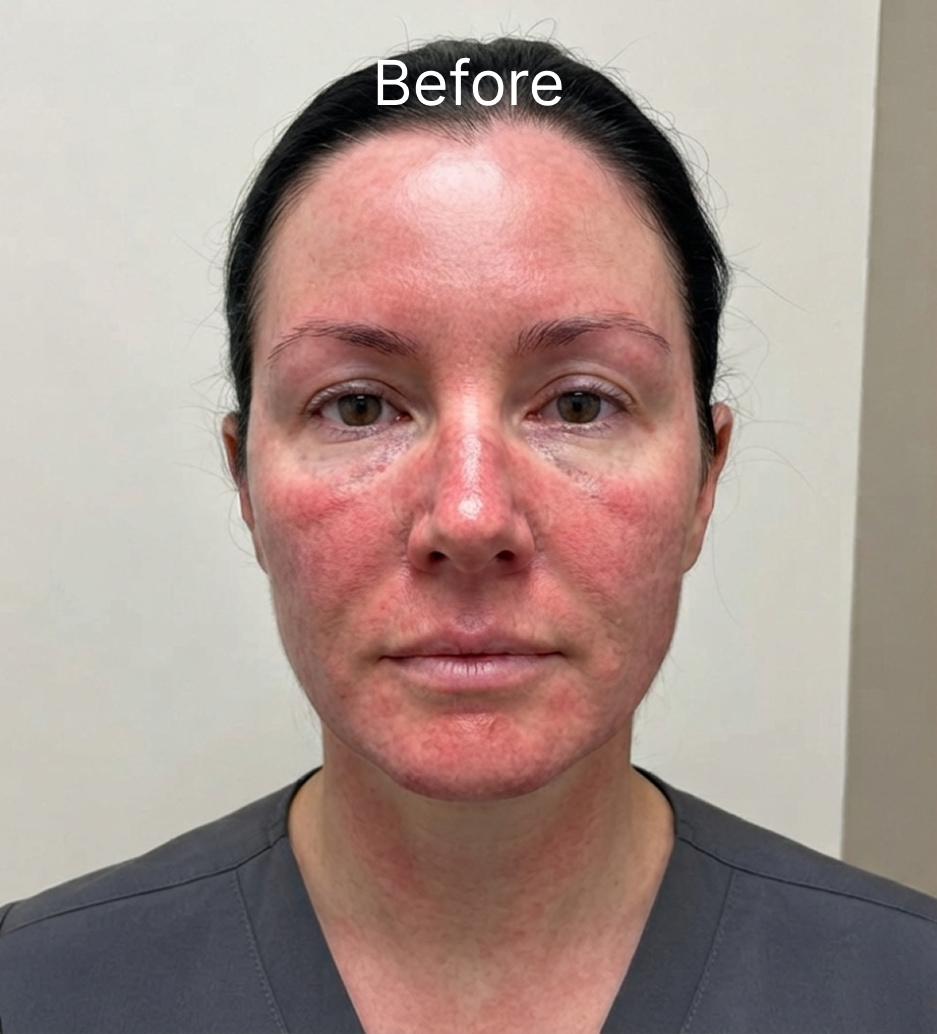
Facial Redness & Flushing
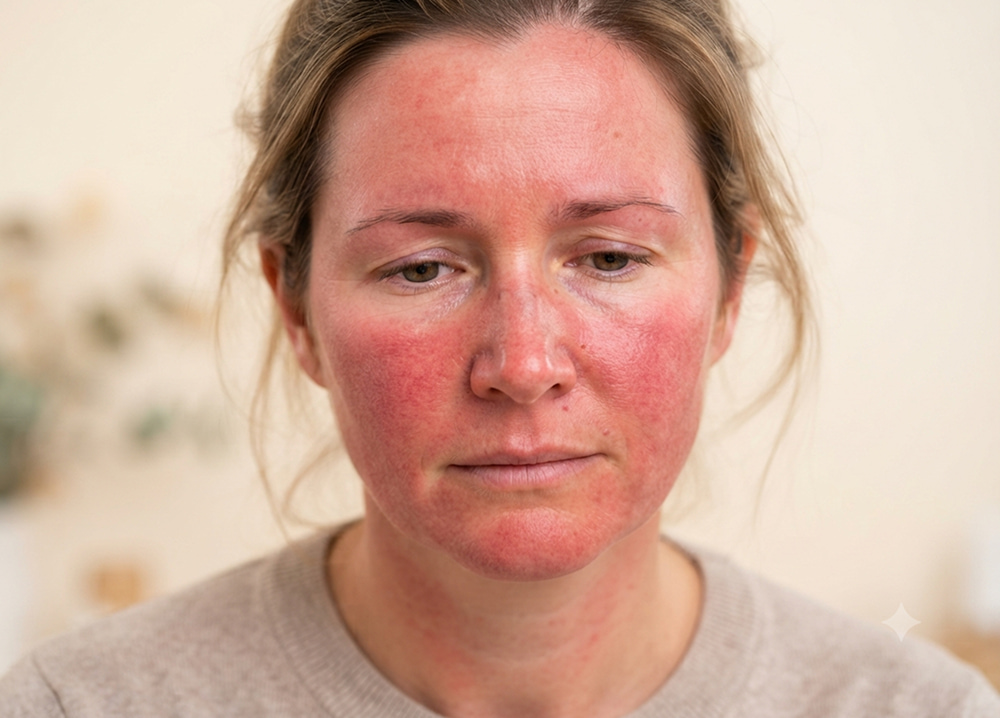
Diffuse redness across the cheeks, nose, and chin, and a tendency to flush easily. Vascular laser reduces the background redness, often alongside medical management of the cause.
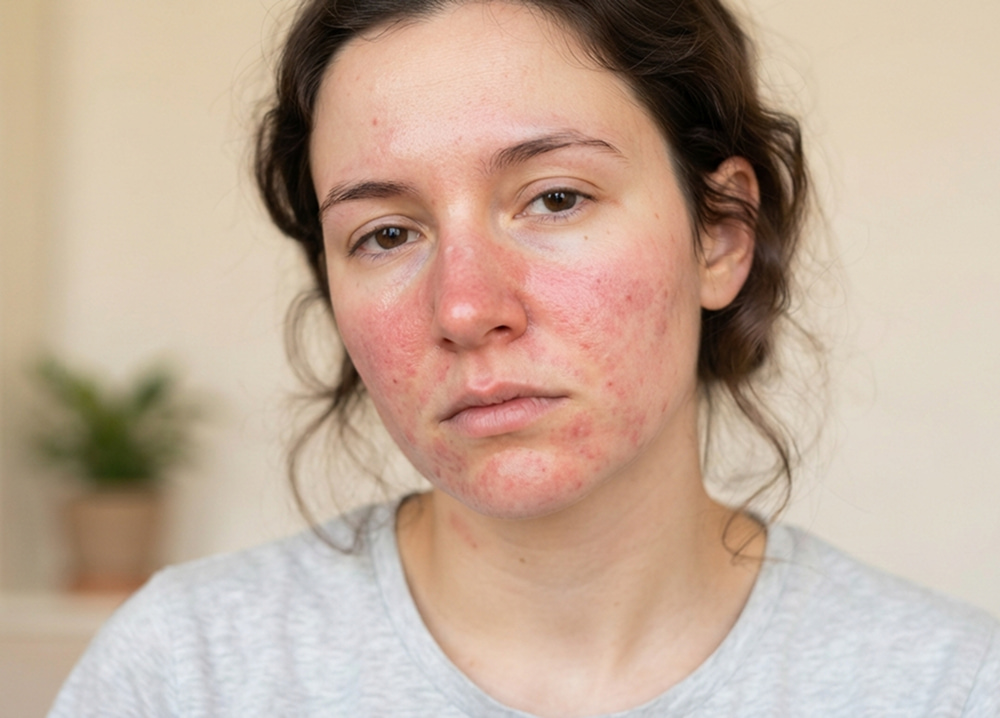
Rosacea-Prone Skin
Rosacea causes persistent redness, flushing, and visible vessels. Laser addresses the visible redness while our dermatology team manages the condition itself the combination that works best.
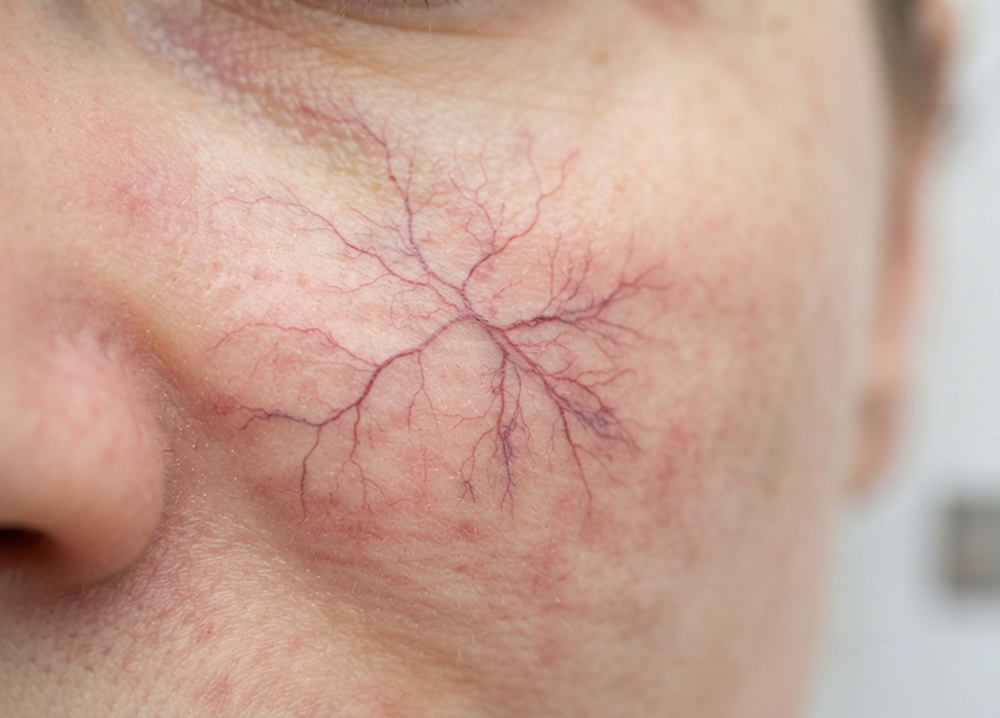
Thread Veins & Broken Capillaries
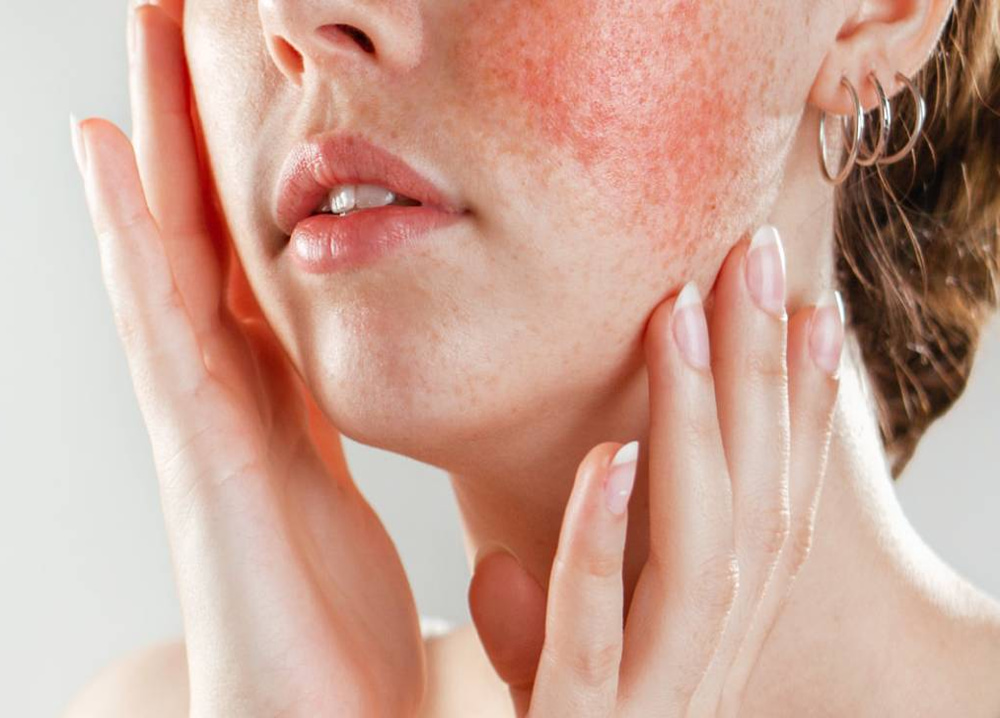
Fine visible vessels, most often around the nose and cheeks, are broken down and cleared by the laser. A common concern that responds well.
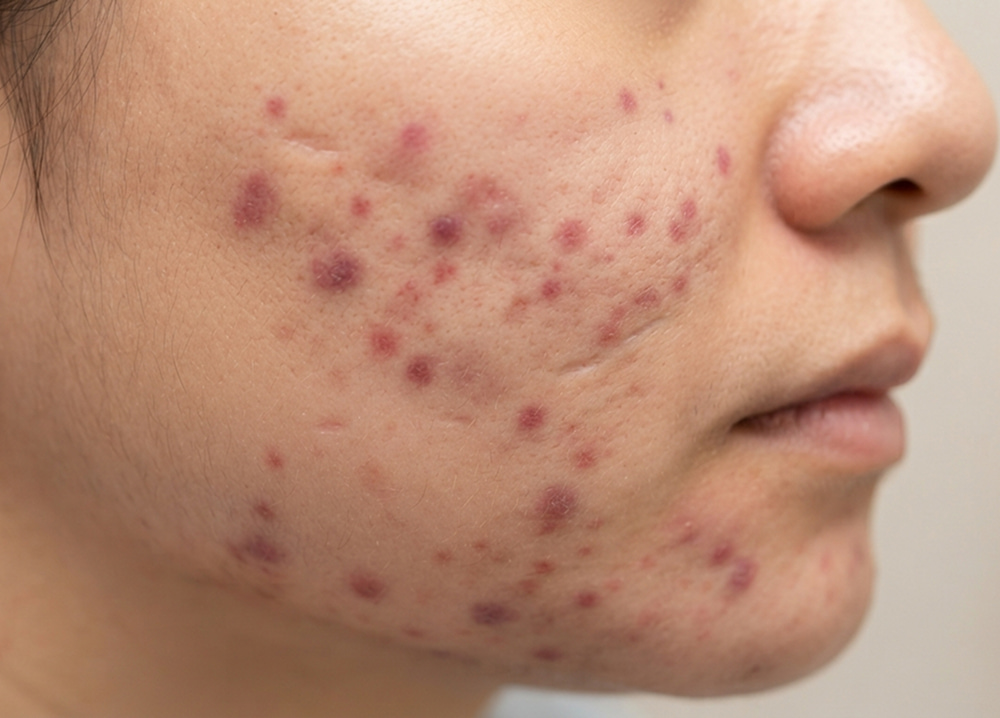
Post-Acne Red Marks
The red and pink marks left after breakouts are vascular, not scars. Vascular laser treats them directly where resurfacing would miss the cause.
Reactive, Sensitive Skin
Skin that reddens and reacts easily can benefit from calming the underlying vascular activity, assessed individually at consultation.
Why Red Marks Are Not Scars
This is the distinction that sends more people to the wrong treatment than any other in this category, so it’s worth being clear.
After a breakout heals, what’s often left behind isn’t a scar it’s a flat red or pink mark where the skin surface is completely intact. That colour comes from dilated blood vessels near the surface, which makes it a vascular concern. A true scar, by contrast, is a change in the skin’s texture — a depression or raised area you can feel.
The difference decides the treatment. Resurfacing lasers and microneedling work on texture, so they do little for a flat red mark. Vascular laser targets the blood vessels causing the redness, which is exactly what a red post-acne mark is. Getting this right is the difference between a treatment that works and one that doesn’t, and it’s why assessment comes first.
Why Choose Vascular Laser at Yoland?
- Dermatology-led assessment that correctly identifies vascular concerns
- Red post-acne marks treated as what they are, not as scars
- Rosacea managed medically alongside laser for a lasting result
- Skin type assessed for safe, effective treatment
- Honest guidance on how many sessions to expect
Treating Redness And Its Cause Together
Facial redness usually has a driver — rosacea, reactive skin, or flushing triggered by heat, sun, and lifestyle factors. Clearing the visible vessels with laser while ignoring the driver invites the redness back.
That’s why our dermatology-led approach treats both. Laser reduces the redness that’s already there, while we identify and help you manage what’s provoking it — including the triggers that matter in Dubai’s climate, where heat and strong sun are among the most common aggravators of facial redness and rosacea.
Why This Matters at Yoland?
- Redness treated and its cause managed together
- Trigger guidance suited to Dubai's heat and sun
- Ongoing dermatology support for rosacea and reactive skin
- A plan aimed at lasting calm, not a one-off reduction
- Realistic expectations set before treatment
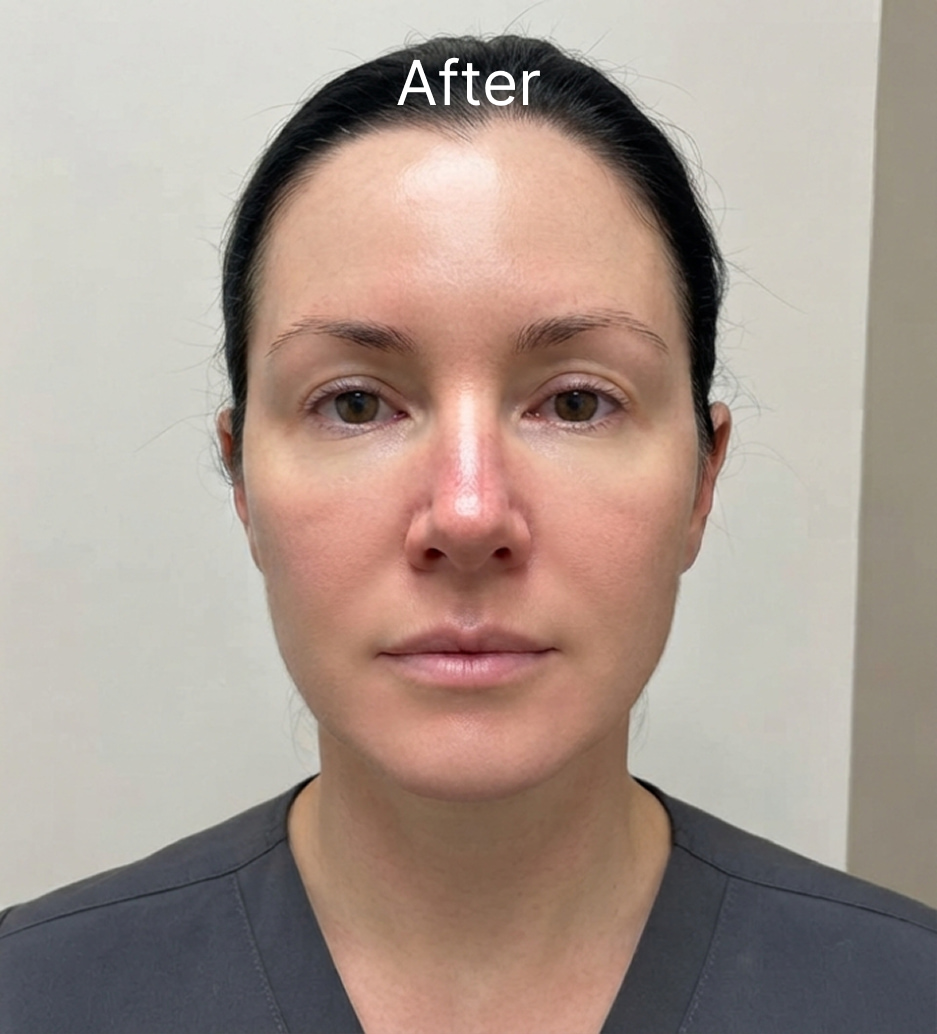
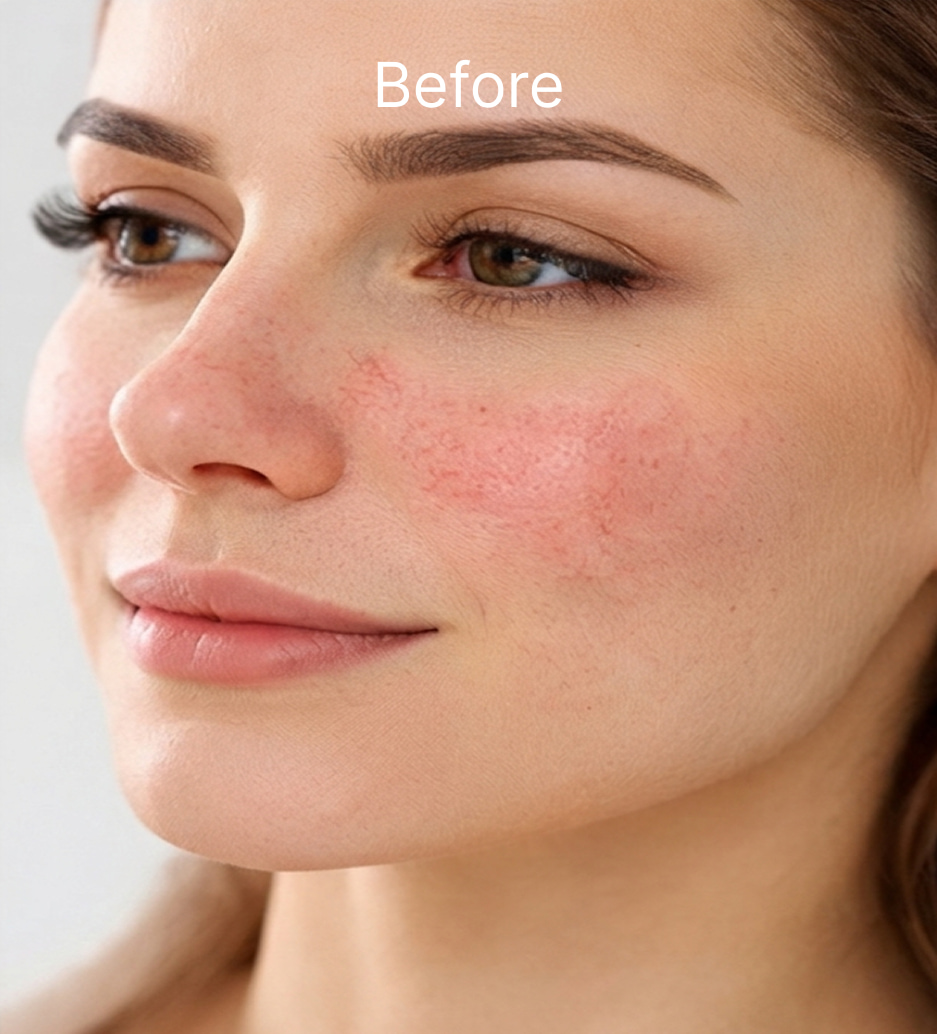
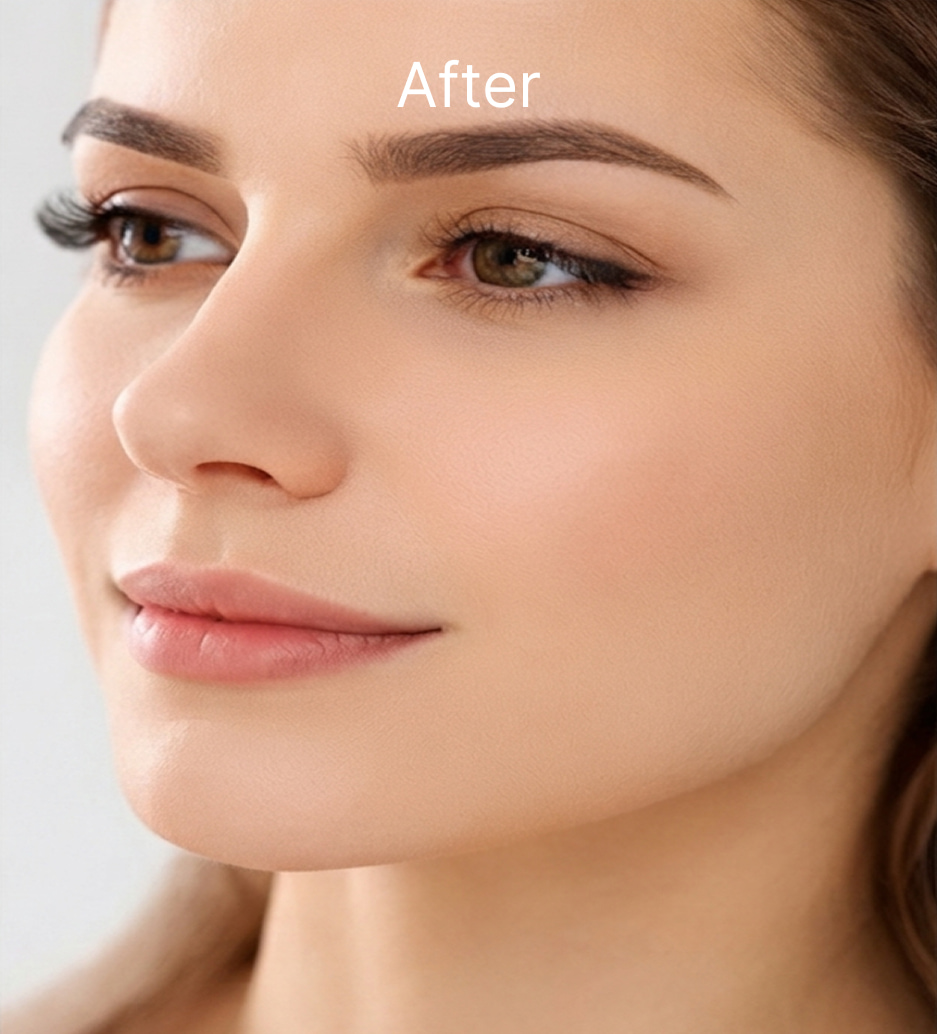
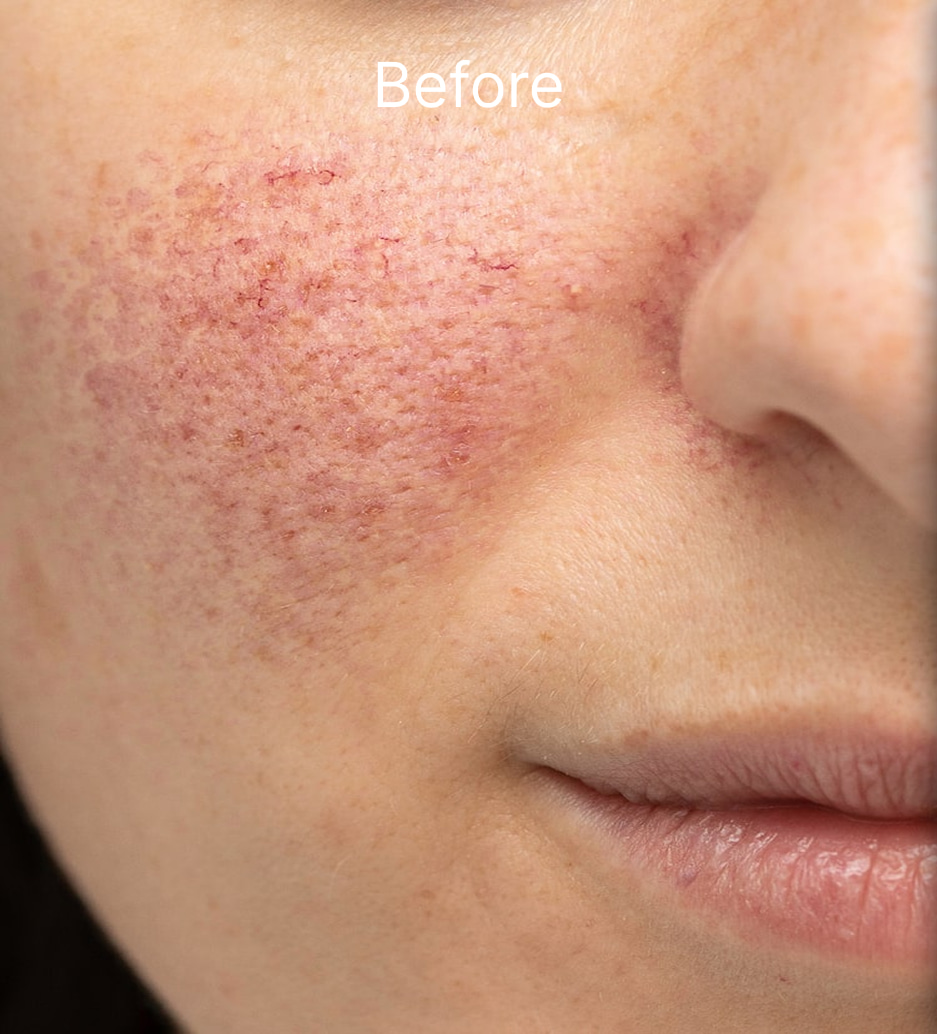
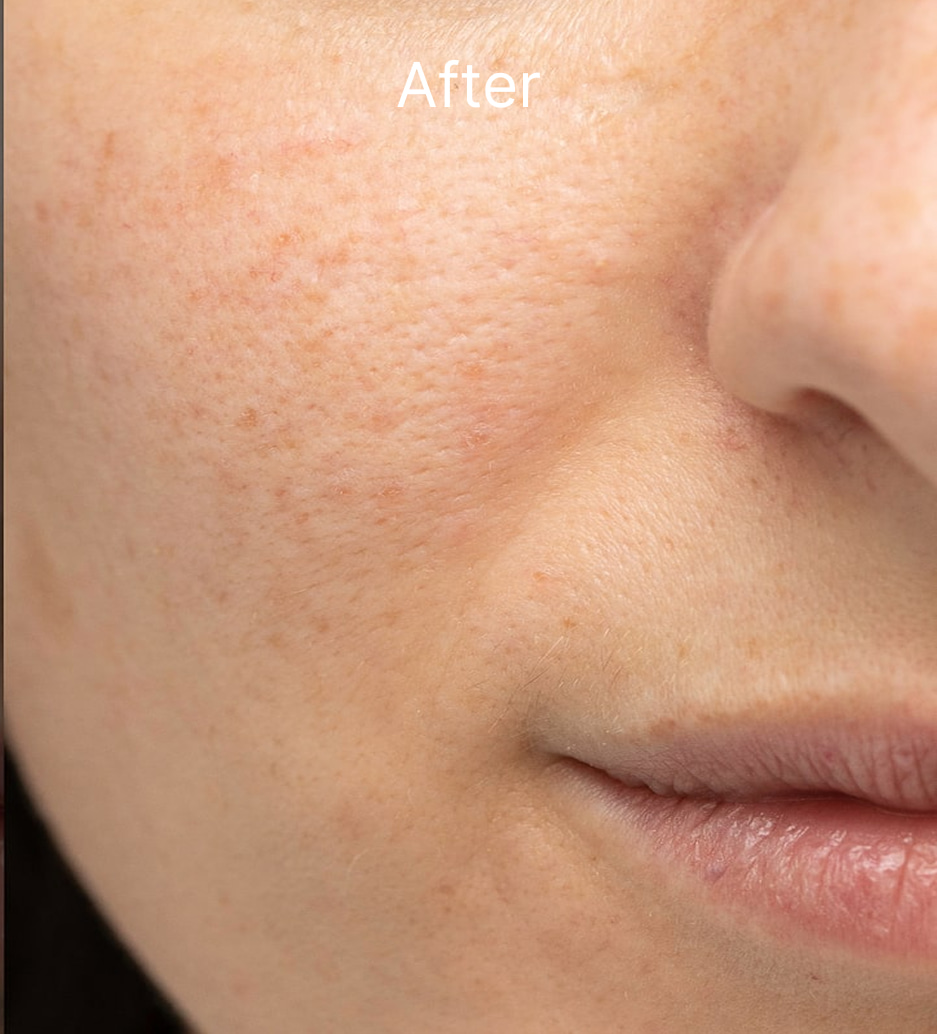
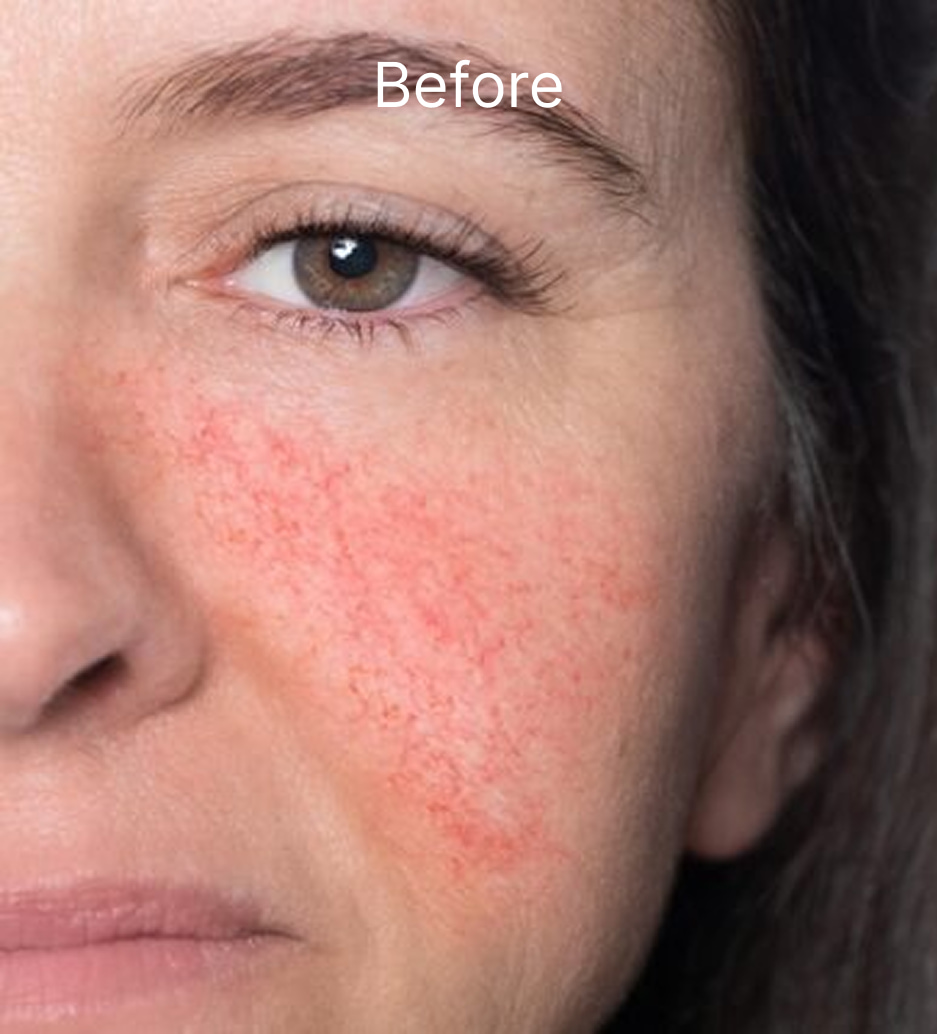
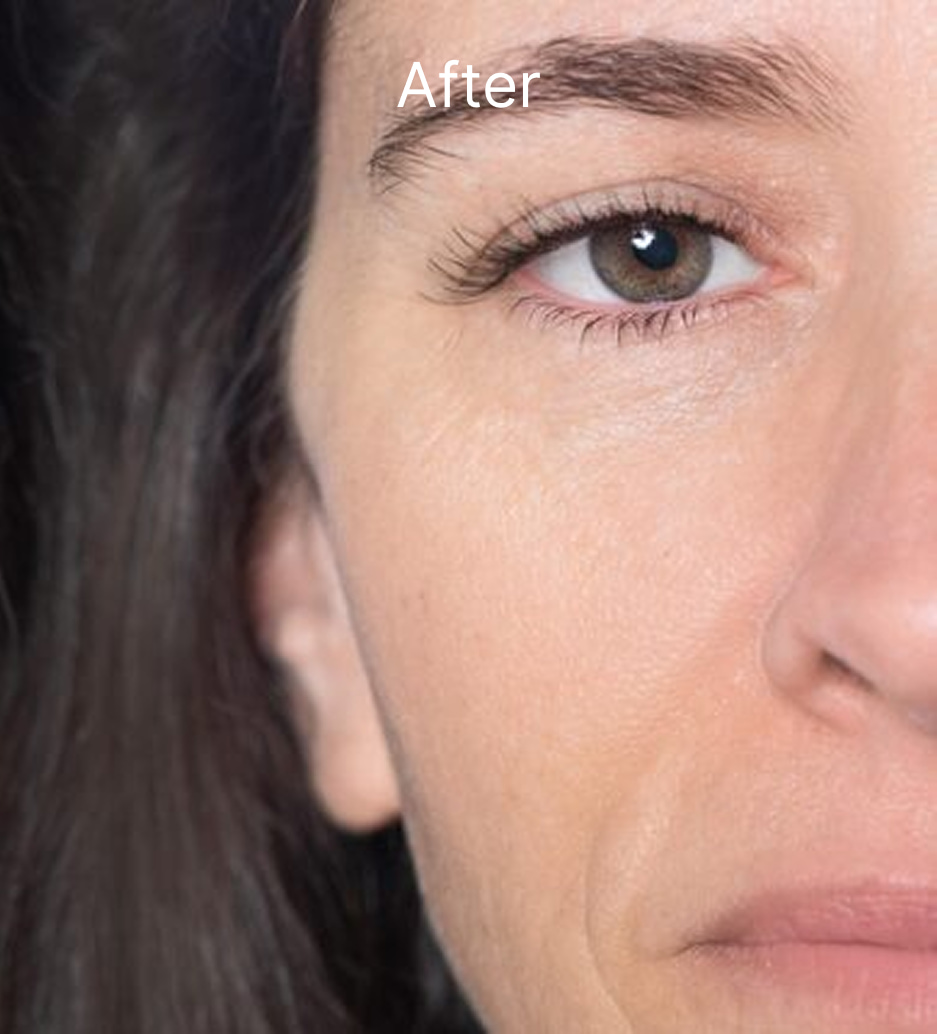
Before and After
See the natural-looking results achieved by our experienced specialists.
What Vascular Laser Treats
Vascular laser targets the blood vessels behind visible redness in the skin.

Facial Redness
Reduces diffuse redness and flushing across the cheeks, nose, and chin.

Rosacea Redness
Addresses the visible redness of rosacea alongside medical management.

Thread Veins
Clears fine visible vessels and broken capillaries around the nose and cheeks.

Post-Acne Red Marks
Treats the vascular red marks left after breakouts — which resurfacing misses.

Reactive Skin
Calms the underlying vascular activity in skin that reddens easily.
Vascular Laser Aftercare
Following your vascular laser treatment at Yoland, please observe the following aftercare guidelines to protect your results and support healing:

Apply sun protection and avoid direct sun; heat and sun are major triggers for facial redness
Expect mild redness or slight swelling in the treated area for a day or two
Avoid saunas, steam rooms, hot showers, and strenuous exercise for 48 hours; heat aggravates redness
Avoid alcohol and known flushing triggers for a couple of days after treatment

Avoid exfoliants, acids and retinoids until the skin has settled
Keep the skin gently hydrated with the products your doctor recommends

Contact the clinic on 04 288 3800 if you experience anything unexpected
Vascular Laser Prices In Dubai
We price vascular laser treatment by area and session, with course pricing where a plan is recommended; you pay for what your treatment involves rather than a fixed bundle.
Meet Our Specialist Team
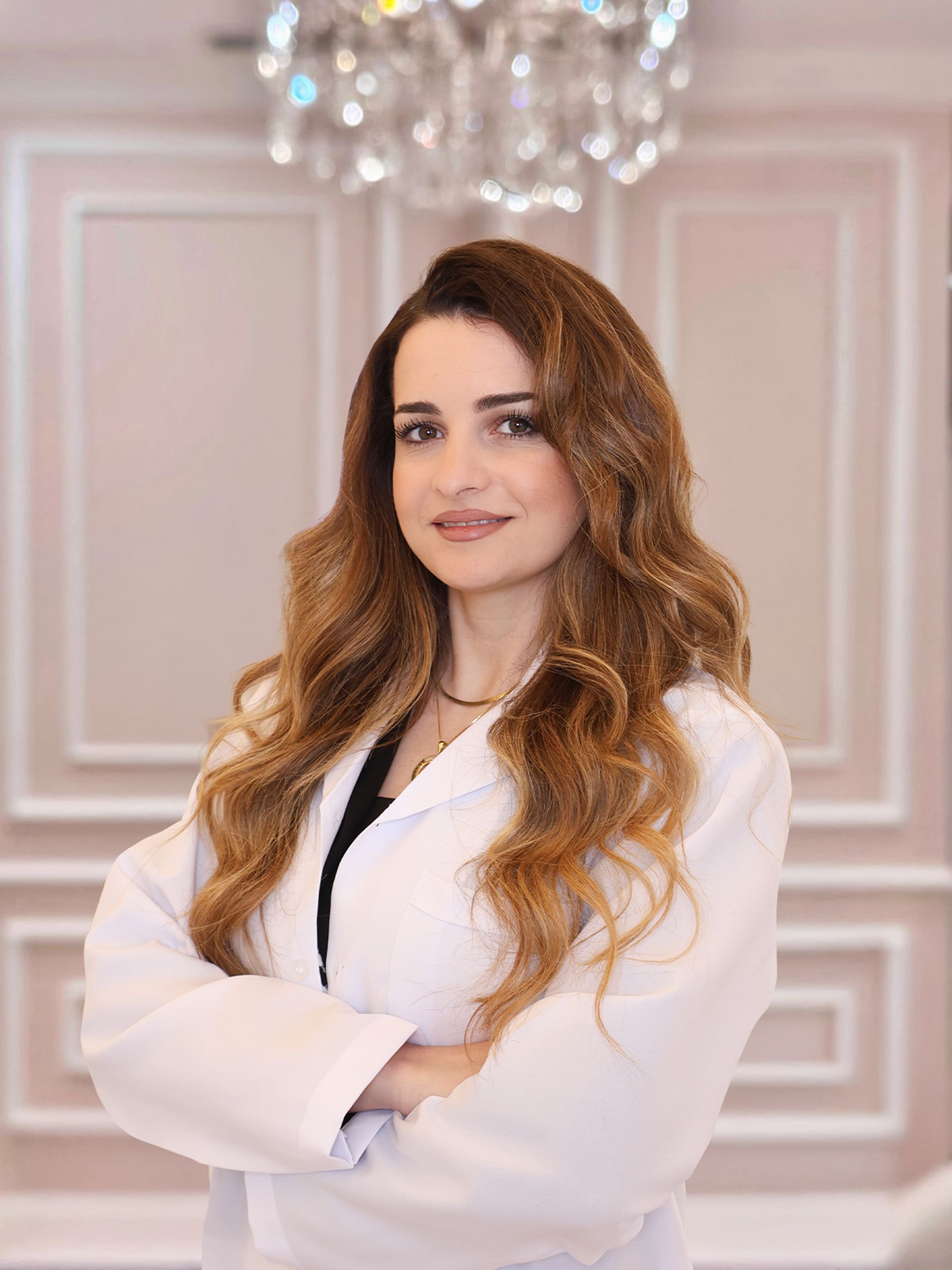
Our DHA-licensed dermatologists correctly identify vascular concerns — including the red marks so often mistaken for scars and treat the redness while managing its cause.
Frequently Asked Questions
What does vascular laser treat?
It treats visible redness caused by blood vessels, facial redness and flushing, rosacea-related redness, thread veins, broken capillaries, and the red marks left after acne. It targets the vessels causing the colour rather than the skin’s texture.
Are my post-acne red marks scars?
Usually not. Flat red or pink marks where the skin surface is intact are vascular, not scars; the colour comes from dilated blood vessels. Vascular laser treats them directly, whereas scar treatments target texture and would miss them.
Can vascular laser cure rosacea?
Rosacea is managed, not cured. Vascular laser reduces the visible redness effectively, and our dermatology team manages the condition and its triggers alongside, which together give a more lasting result than laser alone.
How many sessions of vascular laser will I need?
It depends on the extent of the redness or vessels. Individual thread veins may clear in one or two sessions; diffuse redness and rosacea usually need a course. Your doctor will confirm after assessing you.
Will the redness come back after vascular laser treatment?
Treated vessels are cleared, but the underlying tendency — especially with rosacea — remains, and new vessels can form over time. Managing your triggers and occasional maintenance helps keep results lasting, which is why we treat the cause alongside.