
Cellulite Treatment in Dubai That Works on the Structure Beneath the Skin

Smoother Skin Texture Through Treatment That Targets the Actual Cause

What Is Cellulite and How Is It Treated?

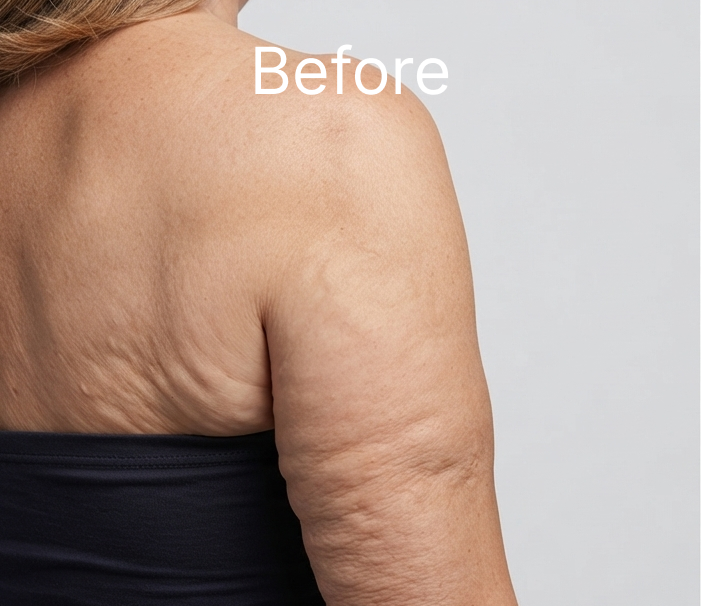
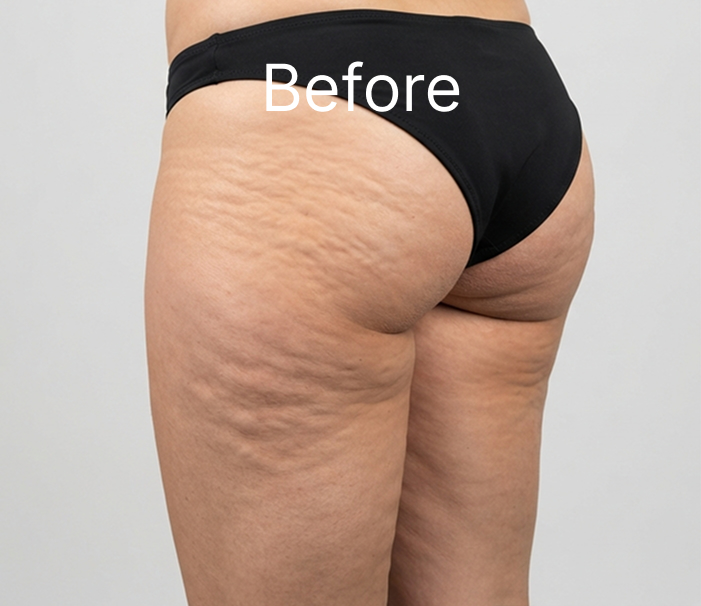
Cellulite treatment in Dubai at Yoland Specialist Polyclinic starts with a doctor working out what is driving your dimpling, because the cause decides the plan. Cellulite is the dimpled skin texture that appears most commonly on the thighs, buttocks, hips and abdomen. It is caused by the structure of the tissue beneath the skin rather than by excess fat alone. Fibrous bands called septae run vertically from the skin down to the underlying muscle. Where these bands are tight, they pull the skin downward, while the fat between them pushes upward, producing the puckered surface.
This is why cellulite is not a weight problem and does not reliably improve with weight loss. It affects women across every body type, including those who are lean and athletic, because the underlying cause is structural. Women are affected far more than men, largely because the septae are arranged differently.
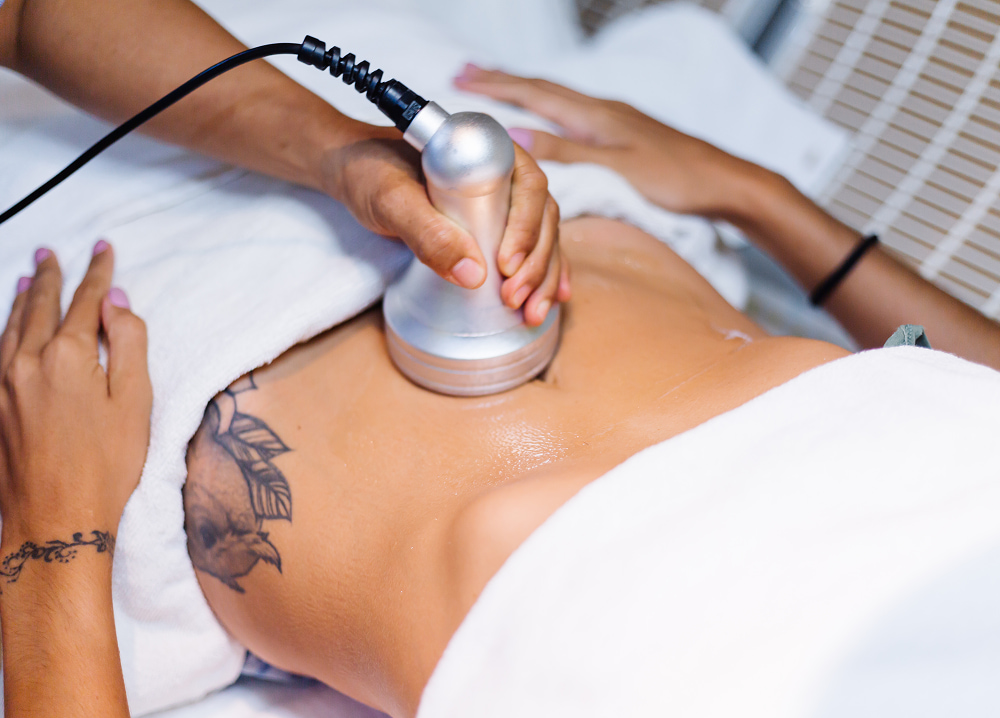
The treatment of cellulite works by targeting that structure. Some approaches aim to release or soften the fibrous bands pulling the skin down. Others improve skin thickness and elasticity so the surface holds itself more smoothly, or stimulate circulation and lymphatic drainage in the treated area. Because cellulite has more than one contributing factor, the most effective plans usually combine methods across a course of sessions, and results are maintained rather than permanent.

Cellulite Treatment Areas at Yoland Dermatology Clinic

Our doctors treat the following areas at our Nad Al Hamar clinic:

Skin Quality and Collagen Stimulation for Cellulite

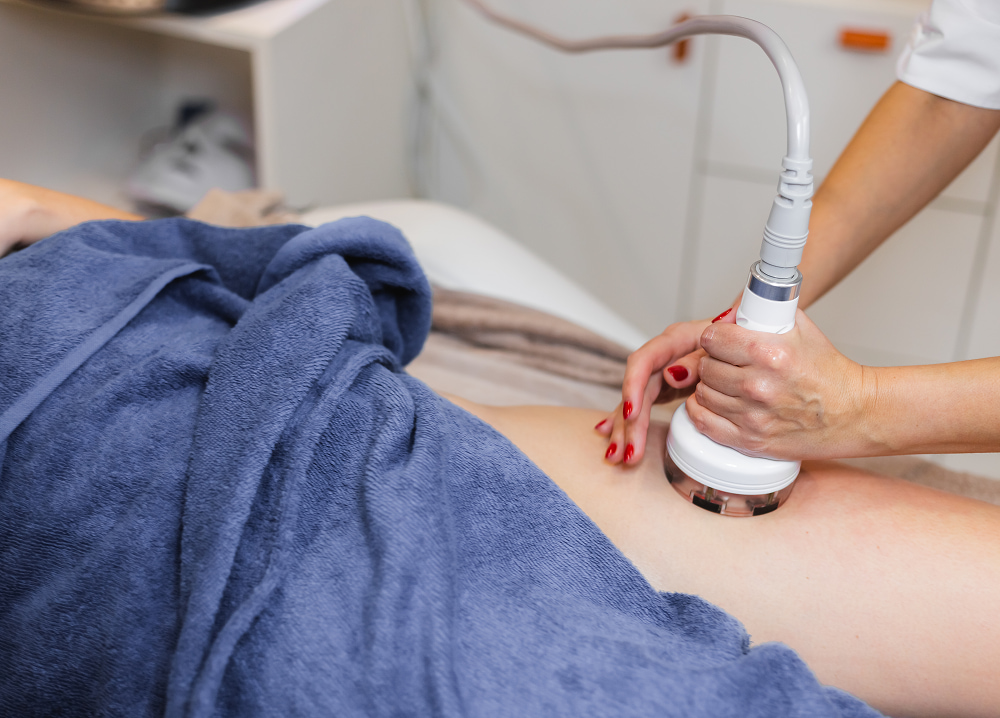
Thin, lax skin makes cellulite more visible because a thinner surface conforms more closely to the irregular tissue beneath it. Improving the skin’s own thickness and elasticity reduces how obvious the dimpling appears, independent of any change to the fat or fibrous bands. Treatments in this group stimulate collagen production in the dermis of the treated area, building firmness gradually over the months following a course. This approach is particularly useful where cellulite is accompanied by laxity, after pregnancy, after weight loss, or simply with age, and it is often what makes the difference between a modest result and a satisfying one.
Why This Approach at Yoland Dermatology Clinic?

Circulation, Drainage and Texture Treatments

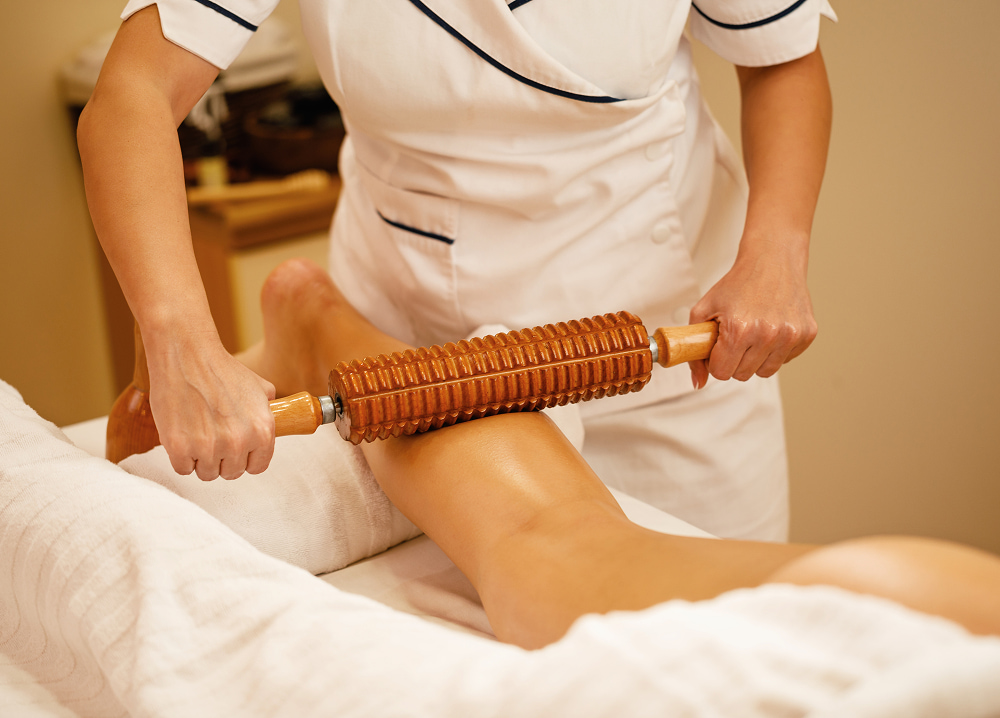
The second group of treatments works on the tissue itself: improving circulation and lymphatic drainage in the treated area, softening fibrous tethering and reducing the fluid retention that can make dimpling look worse than it is.
These treatments are typically delivered as a course of shorter sessions and produce visible improvement in surface smoothness. They are often the more immediately noticeable half of a plan, while collagen stimulation delivers the longer-term structural change. Used together across a staged course, the two address different contributors to the same appearance.

Why This Approach at Yoland Dermatology Clinic?

How Common Are Skin Tags? What a Sudden Crop Can Mean

50%

about 50% to 60% of all adults will develop at least one skin tag in their lifetime.

Dimpling is normal rather than a sign that something is wrong, and any clinic promising smooth skin for everyone is overselling.

So what is realistic? A cellulite reduction treatment plan aims for softer, less obvious dimpling, maintained with periodic sessions. Not gone.

Patients often ask about cellulite laser treatment by name. Energy-based devices, including laser cellulite treatment, can help firm the skin over the dimples; they earn their place as one part of a plan rather than a single fix. The same applies to any non-invasive cellulite treatment: the device matters less than matching it to what your doctor finds.

The right cellulite treatment in Dubai is the one built around what causes your dimpling, and that is where we start. At your consultation at Yoland Dermatology Clinic, our doctor separates the three things behind most cellulite: tethered dimpling, loose skin, and contour. Each one responds to a different treatment, so we build your plan around the mix you have. If stretch marks sit in the same area, our team can usually plan stretch mark treatment into the same course.

Your Cellulite Consultation: How the Plan Is Built

Your doctor examines the area standing and lying down, because dimpling can look different in each position. The aim is to separate three things: tethering from fibrous bands, laxity in the skin, and contour concerns.

That assessment decides which methods go into the plan and how many sessions it needs. You leave with the course, the spacing, and the price in writing.

Side Effects After a Cellulite Session: Mild and Short-Lived

Most patients go straight back to their day. Side effects depend on the methods in your plan, but they are usually mild.

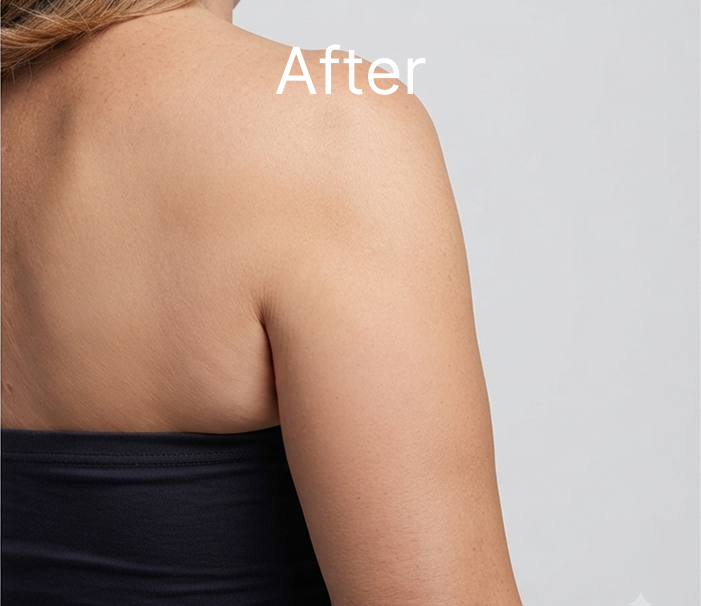
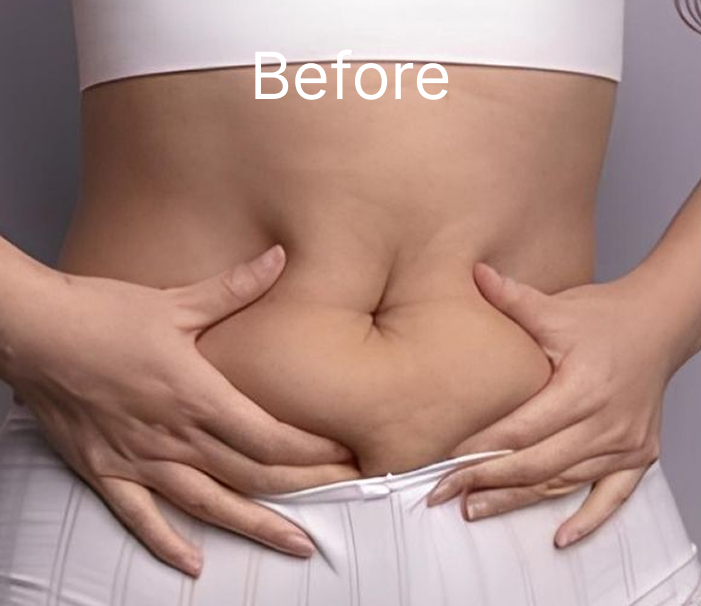
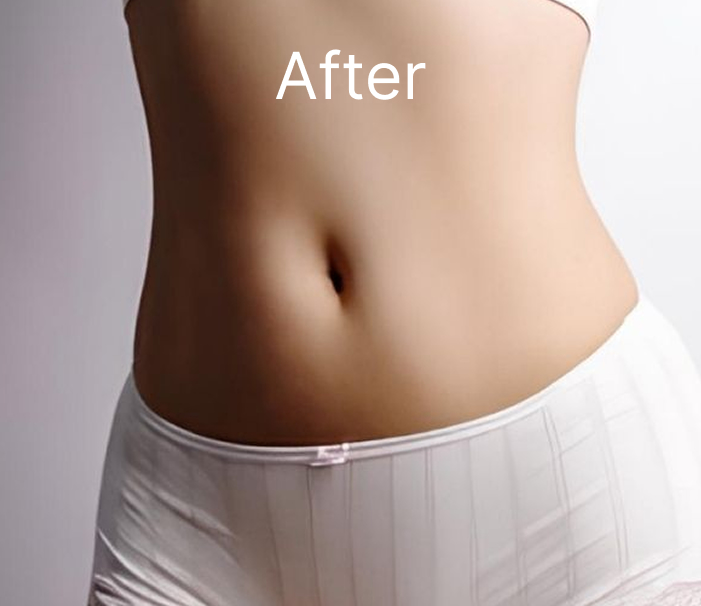
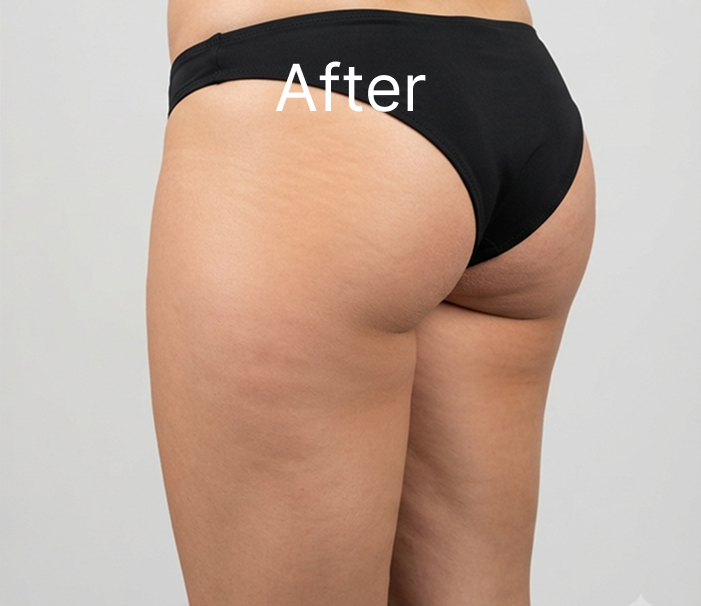
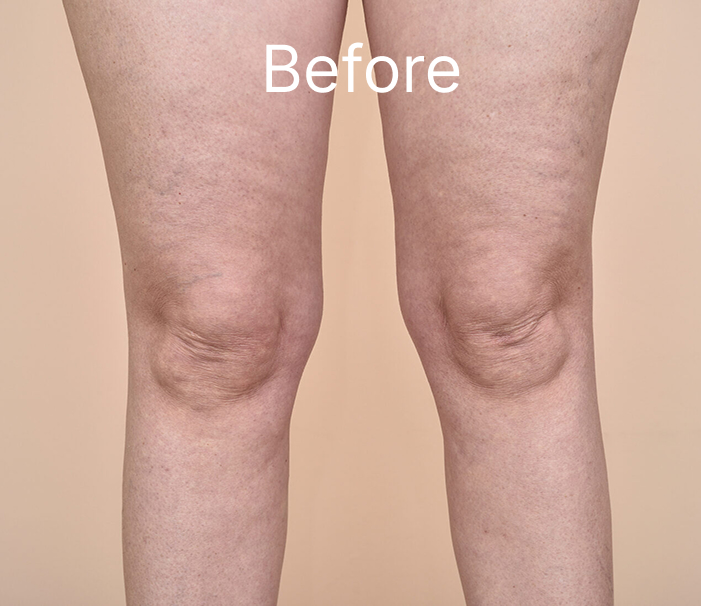
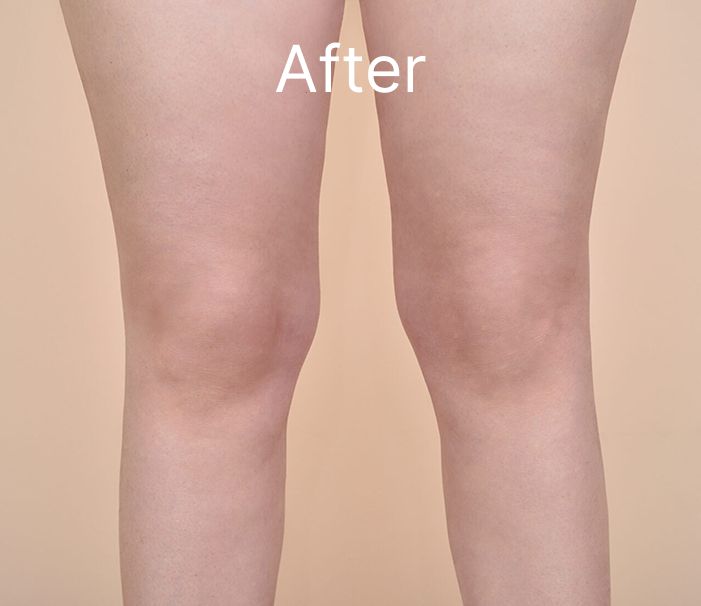
Before and After

See the results achieved by our experienced specialists.

What Actually Causes Cellulite

Understanding the cause explains why some approaches work and others do not.

Fibrous septae

Vertical bands tether the skin to deeper tissue. Where they are tight, the skin is pulled inward while fat pushes outward between them.

Skin thickness and elasticity

Thinner, less elastic skin conforms more visibly to the irregular tissue beneath. This is why cellulite often becomes more noticeable with age.

Hormonal influence

Estrogen affects fat distribution, connective tissue, and circulation, which is a significant part of why cellulite predominantly affects women.

Circulation and fluid retention

Reduced circulation and lymphatic drainage in the area can worsen the appearance, and this component often responds well to treatment.

Genetics

Septae arrangement, skin thickness, and fat distribution are all inherited to a significant degree, which is why cellulite is not a reflection of lifestyle.

Cellulite Aftercare: Water, Walking and Patience

Following your treatment at Yoland, please observe the following aftercare guidelines:

Drink plenty of water in the days after treatment to support lymphatic drainage

Keep moving, as light walking supports circulation in the treated area

Avoid saunas, steam rooms, and very hot baths for 48 hours

Skip strenuous exercise for 24 to 48 hours, or as your doctor advises

Wear any compression garment your doctor recommends for the full period

Expect mild tenderness or bruising, which usually settles within a few days

Attend your full course, as results build across sessions

Cellulite Treatment in Dubai: Prices at Yoland Specialist Polyclinic

We price by area and by the methods included in your plan, so you pay for the areas you are actually having treated, not a fixed package. All pricing is provided in writing before any procedure starts, and there are no surprise charges at Yoland.

Who Assesses Your Cellulite: Our DHA-Licensed Doctors

Our DHA-licensed doctors assess cellulite properly before recommending treatment, distinguishing between dimpling caused by fibrous tethering, visible irregularity driven by skin laxity, and contour concerns that are a separate issue altogether. They will tell you honestly what degree of improvement is realistic for your skin before you commit to a course, and the cellulite treatment Dubai patients receive here is planned from that assessment. Assessments are led by our doctors, including Dr. Lilian Alkhoury, Specialist Dermatologist (Arab Board in Dermatology, 2023).

Getting to Our Nad Al Hamar Clinic for Cellulite Care

Wear loose clothing that makes the treated area easy to reach, especially for thighs and buttocks.

Parking is directly outside our 9th Street clinic in Nad Al Hamar, a short drive from Mirdif and Al Warqa. Book by WhatsApp on +971 55 608 0406 or by phone on 04 288 3800; the course, spacing, and price arrive in writing before your first session.

Frequently Asked Questions

Will treatment get rid of my cellulite completely?
No, and no treatment removes it permanently. The aim is a visible improvement in texture and firmness, and most patients see dimpling become noticeably less obvious.
Always a course rather than a single session. The number varies with the area, the severity, and the methods in your plan, and your doctor confirms it, along with the spacing, after assessing you.
Results are maintained rather than permanent, because the underlying tissue structure remains. Periodic maintenance sessions keep them in place, and your doctor will suggest an interval once your first course ends.
Yes. Cellulite is far less common in men because the fibrous septae are arranged differently, but men do present with it and follow the same assessment and planning.
Usually yes, once your doctor confirms you have recovered from the birth and have finished breastfeeding. Abdominal laxity is often part of the picture after pregnancy, so the plan may lean toward firming the skin.
Only a little, and only for a while. Some creams tighten or hydrate the surface temporarily, but none change the fibrous bands that cause the dimpling.