If your skin behaves differently in August than it does in January, you are not imagining it. Dubai’s summer is one of the most demanding environments your skin will ever face: temperatures above 40°C, humidity that can pass 80%, intense year-round UV, and the constant switch between outdoor heat and heavily air-conditioned interiors. Each of these affects your skin in a different way — and together they explain most of the breakouts, pigmentation, dryness and irritation our dermatologists see at this time of year in Nad Al Hamar.
Here is what is actually happening to your skin during a UAE summer, and the practical steps that make a difference.
1. UV exposure: the biggest long-term factor
Dubai sits at one of the highest average UV index levels in the world, and UV damage is cumulative — it does not reset in winter. Unprotected exposure accelerates fine lines, dark spots and uneven tone, and it is the main driver of melasma flare-ups, which are especially common in the region.
What helps:
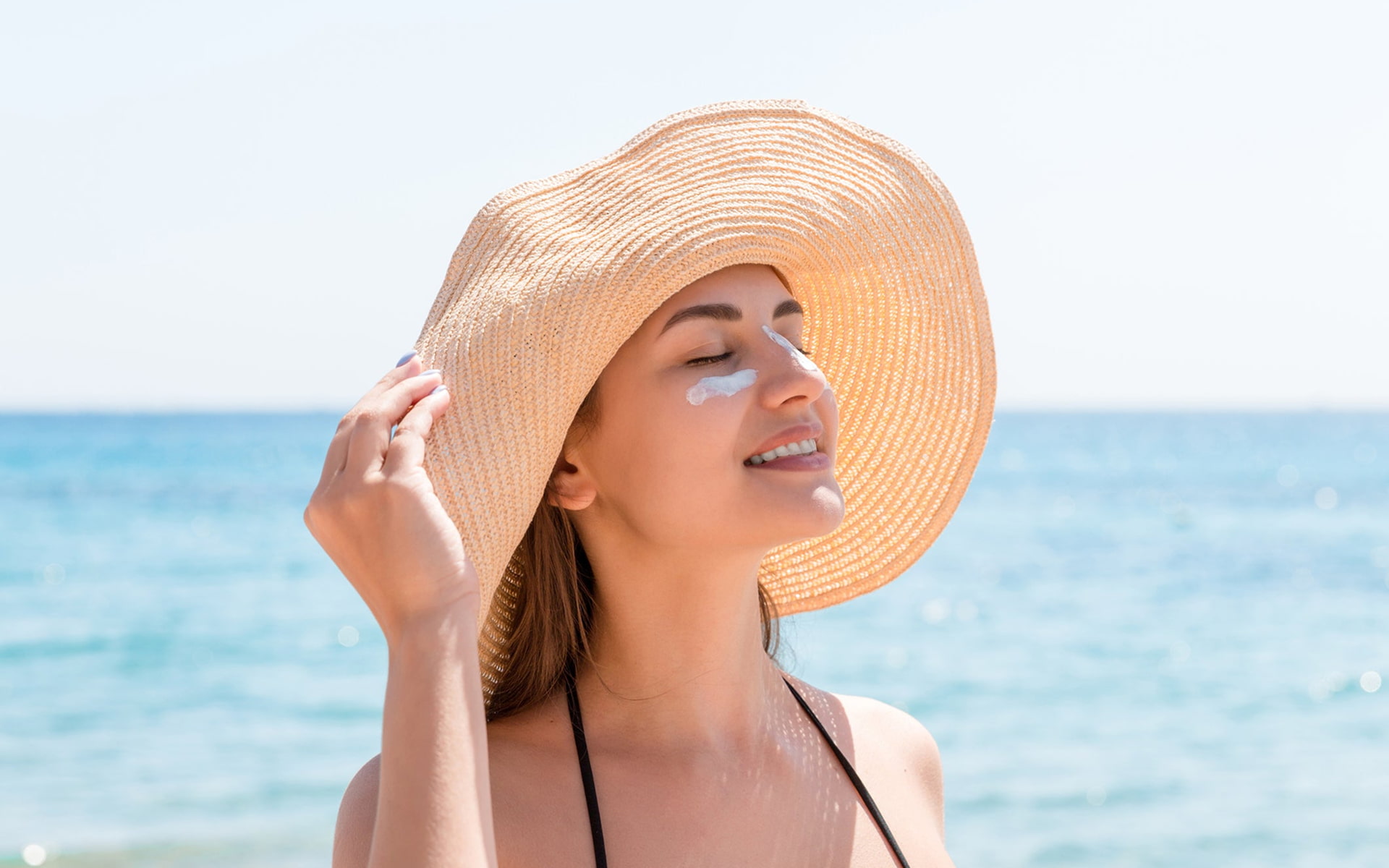
- Use a broad-spectrum sunscreen of SPF 30 or higher every single day, even if you spend most of it indoors — UVA passes through glass.
- Reapply every two to three hours when you are outdoors, and immediately after swimming or heavy sweating.
- Plan outdoor activity before 10am or after 4pm where possible.
If dark patches have already appeared and are not fading, that is worth a professional assessment rather than more products — pigmentation has several different causes, and the right treatment depends on the correct diagnosis. You can read more about our pigmentation treatments or speak to our dermatology team.
2. Heat and humidity: why breakouts get worse
Heat increases oil production, and humidity keeps sweat, oil and sunscreen sitting on the skin for longer. The result is clogged pores, heat rash and the summer acne flare-ups many people in the UAE know well — including adults who never had acne as teenagers.
What helps:
- Cleanse twice a day with a gentle, non-stripping cleanser. Over-washing triggers more oil, not less.
- Switch heavy creams for lighter gel-based moisturisers during the summer months.
- Never sleep in sunscreen or makeup, however long the day was.
- A professional deep-cleansing facial every four to six weeks helps keep congestion under control when the weather is at its worst.
If breakouts are painful, cystic or leaving marks behind, treat that as a medical concern rather than a cosmetic one — early treatment is what prevents scarring.
3. Air conditioning: the hidden cause of dry, irritated skin
It sounds contradictory, but many people in Dubai deal with oily skin and dehydrated skin at the same time. Air conditioning strips moisture from the air, and moving between 45°C outdoors and 20°C indoors several times a day stresses the skin barrier. For people with eczema or sensitive skin, this constant cycling is a common trigger for flare-ups and itching.
What helps:
- Moisturise while skin is still slightly damp after washing to lock hydration in.
- Keep a fragrance-free moisturiser at your desk if you work in a cold office.
- Drink water consistently through the day — dehydration shows on the skin quickly in this climate.
- If you have eczema or recurring irritation, a dermatologist can identify your specific triggers and build a management plan; see our skin conditions page for the conditions we treat.
4. Desalinated water and chlorine
Tap water in the UAE is desalinated and pools are heavily chlorinated through summer — both can leave skin (and scalps) drier and more reactive than you might be used to, particularly if you have recently moved to Dubai.
What helps:
- Rinse off promptly after swimming and apply moisturiser afterwards.
- Keep showers short and warm rather than hot.
- If dryness or itching persists despite good habits, get it checked — persistent irritation usually has an identifiable, treatable cause.
When should you see a dermatologist rather than adjust your routine?
Most summer skin complaints improve with the steps above. Book a professional assessment if you notice any of the following:
- Breakouts that are painful, cystic, or leaving dark marks or scars
- Dark patches that appeared or spread over the summer and are not fading
- Itching, redness or rashes that keep returning despite moisturising
- Any new or changing mole — in a high-UV country, this should always be checked promptly
Our DHA-licensed dermatologists at Yoland Specialist Polyclinic in Nad Al Hamar diagnose and treat the full range of skin, hair and nail conditions, and same-day appointments are frequently available. If you would rather start with a skin analysis and a personalised routine, our skincare team can build one around your skin type and the realities of the Dubai climate.
Book a consultation: call 04 288 3800, message us on WhatsApp.
Frequently Asked Questions
Do I need sunscreen indoors in Dubai?
If you sit near windows or drive regularly, yes. UVA rays pass through glass and contribute to pigmentation and premature ageing, so daily SPF is worthwhile even on office days.
Why did I suddenly get acne after moving to Dubai?
The combination of heat, humidity, heavier sweating, and different water quality commonly triggers breakouts in people who have never had acne before. It usually responds well to an adjusted routine, but persistent or painful breakouts should be assessed by a dermatologist.
How often should I get a facial in the summer?
For most skin types, every four to six weeks is a good rhythm during the hottest months. Your therapist will recommend a schedule based on your skin after an analysis.
Can pigmentation from the sun fade on its own?
Superficial darkening can fade over months with strict sun protection, but melasma and deeper pigmentation usually need professional treatment. An accurate diagnosis matters, because the wrong approach can make some pigmentation worse.