


Skin Tag Removal in Dubai

Quick, Clean, In-Clinic Removal Assessed by a Dermatologist First

What Are Skin Tags and How Are They Removed?

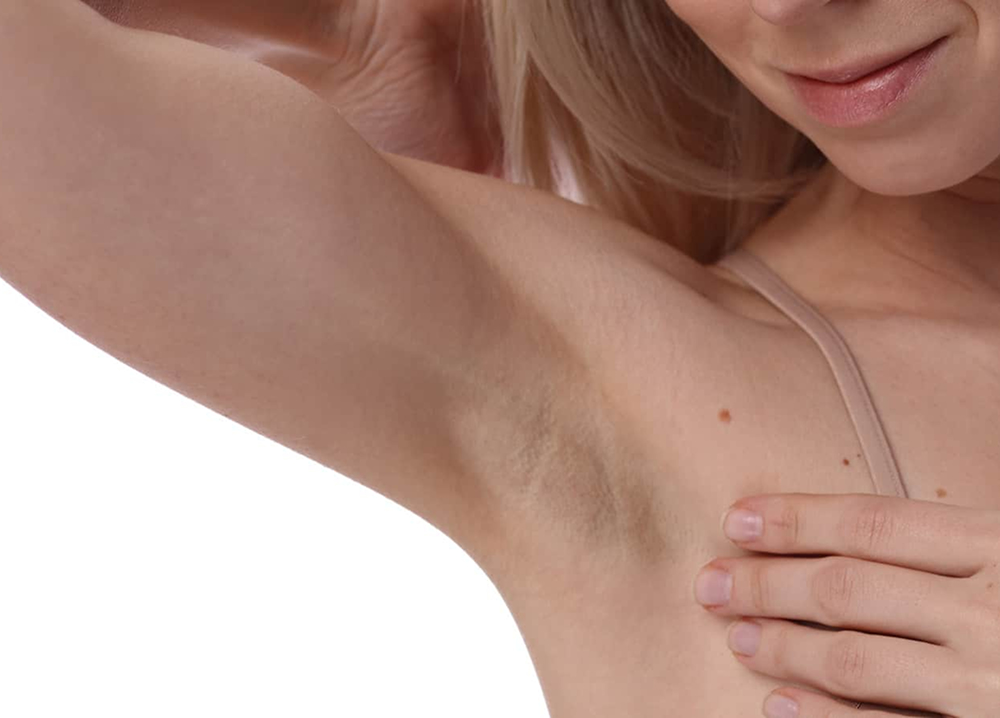
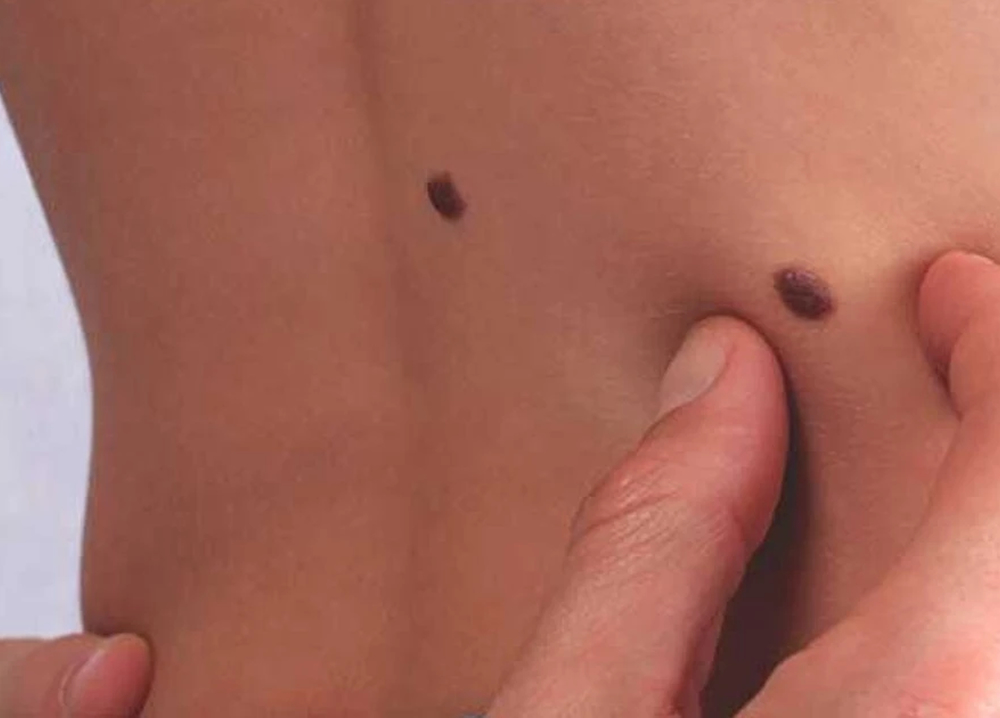
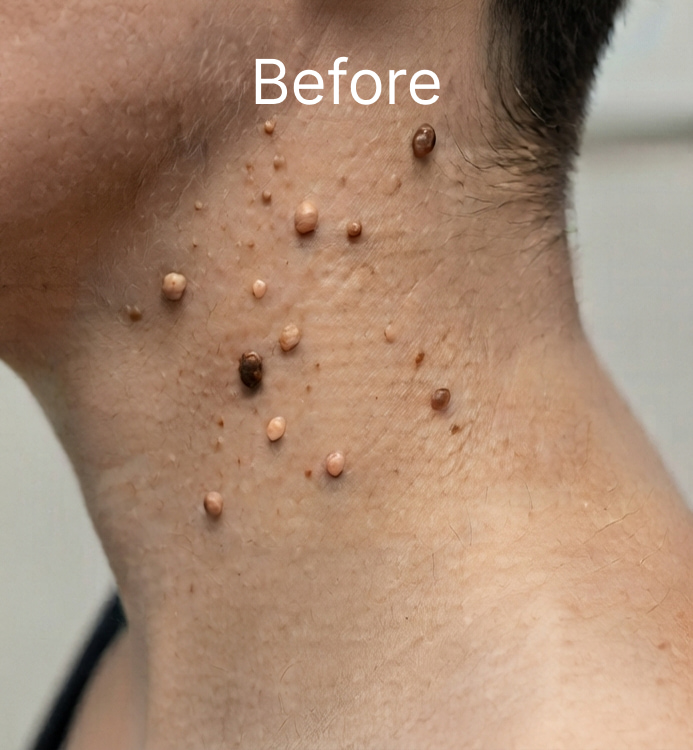
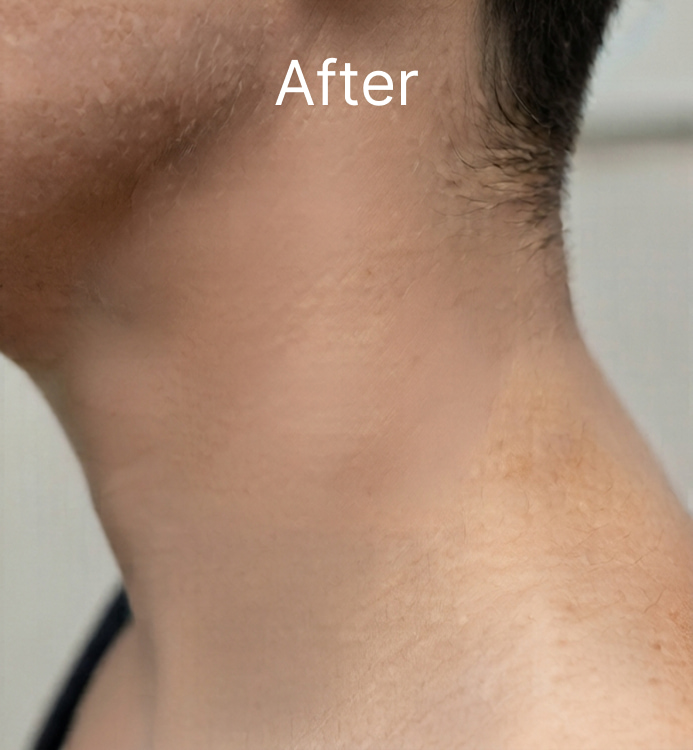
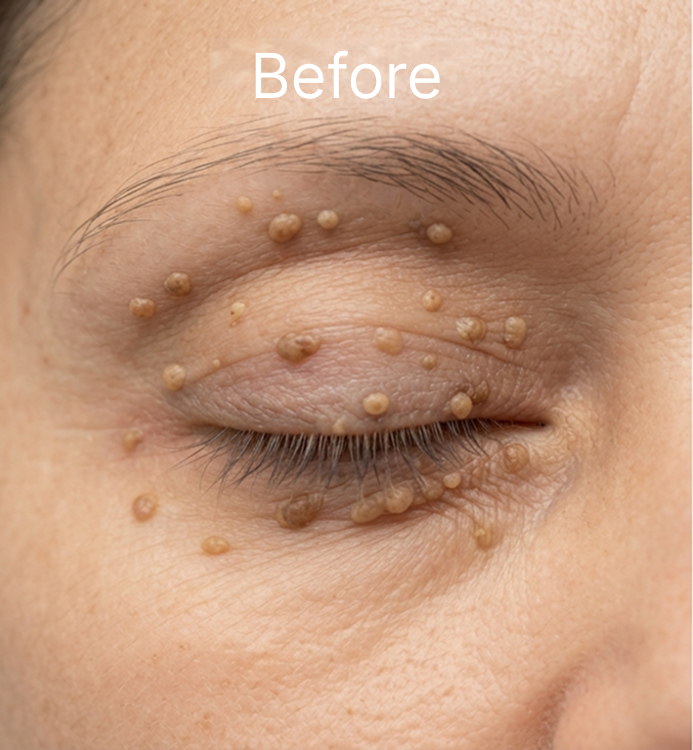
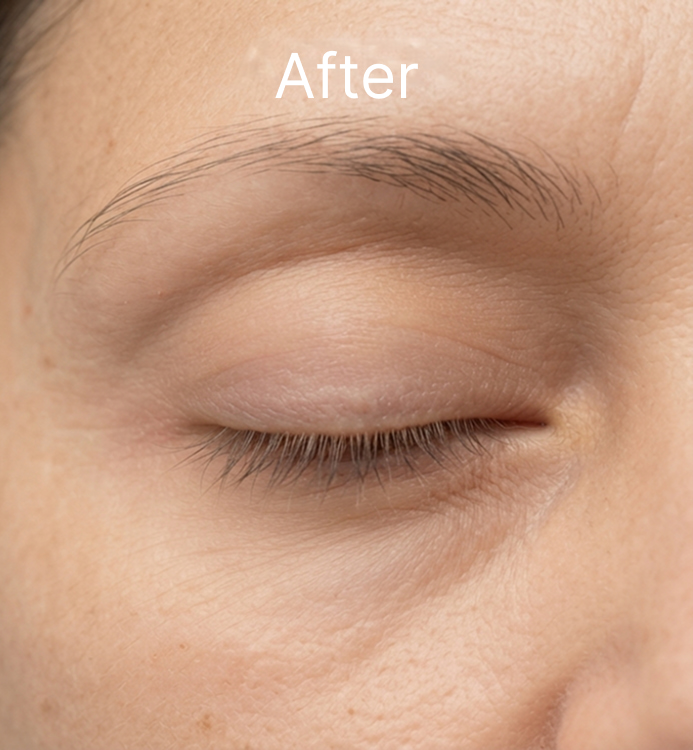
Skin tags are small, soft, benign growths that hang from the skin by a thin stalk. They’re extremely common, entirely harmless, and tend to appear in areas where skin rubs against skin or clothing: the neck, underarms, eyelids, under the breasts and in the groin. Most people have them removed because they catch on jewellery or collars, get irritated by shaving, or are simply bothersome to see.

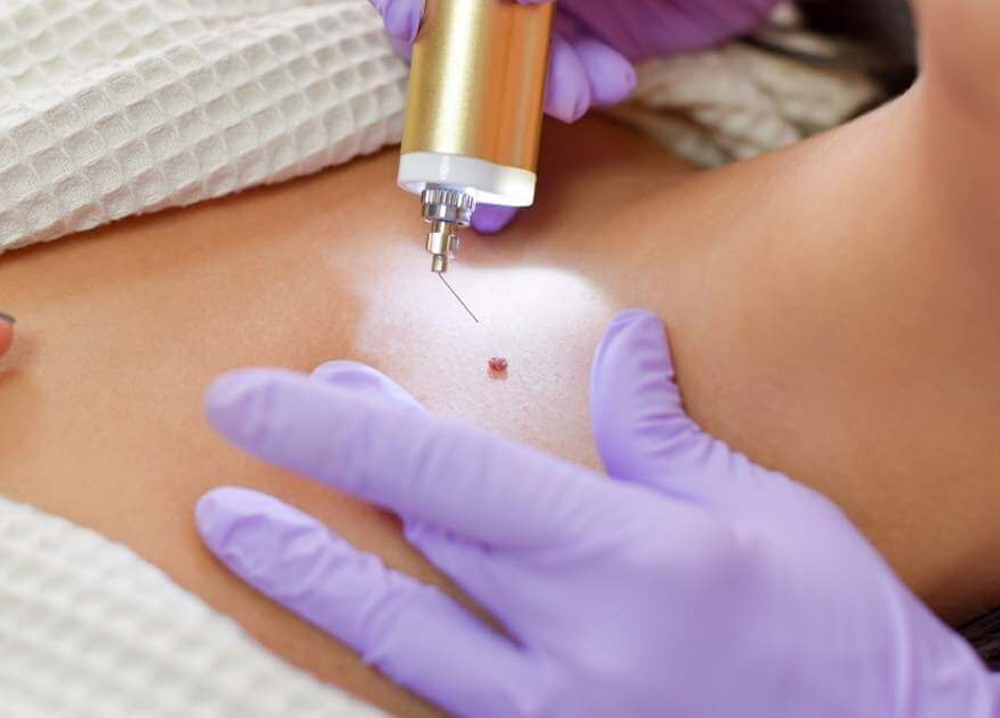
Removal is a quick, minor procedure carried out in clinic. Depending on the size and location of the tag, your dermatologist may remove it by cautery, radiofrequency, cryotherapy (freezing), or fine excision; the method is chosen to suit the tag and the area, not applied one-size-fits-all. Small tags are removed in minutes, often several in a single appointment, with local anaesthetic used where appropriate for comfort. Healing is quick, usually leaving a small scab that settles over a few days.

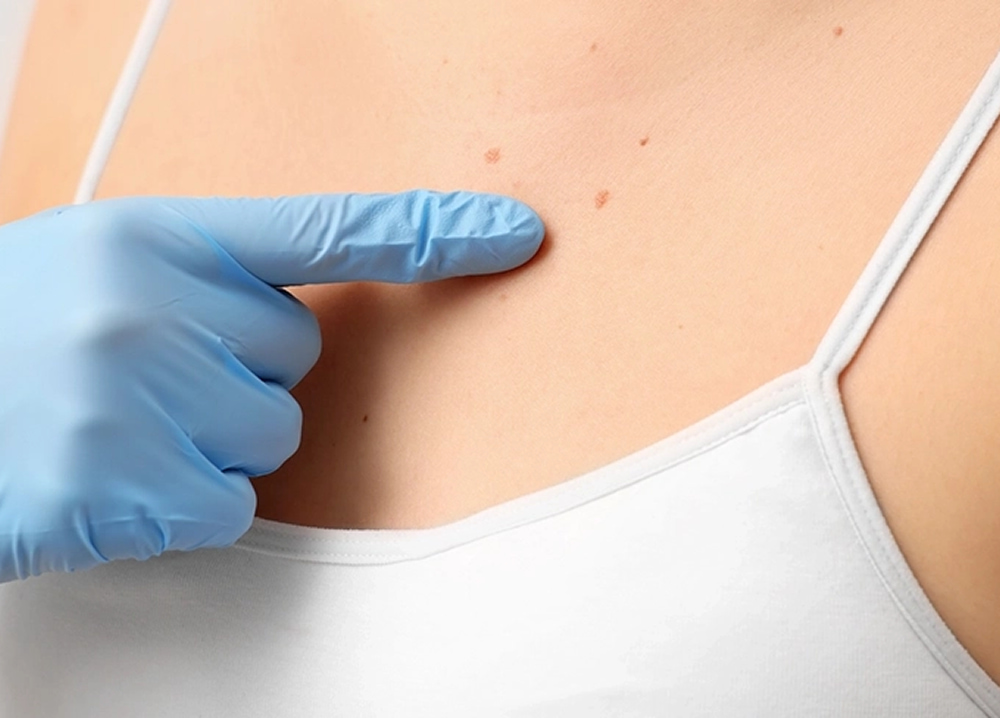
The step that matters most comes before removal: assessment. Every growth is examined by a dermatologist first, because while the vast majority of skin tags are exactly that, some skin lesions can resemble a tag and need identifying. Removing on sight, as home kits do, skips the one step that keeps the procedure safe.

Where Skin Tags Are Commonly Removed at Yoland Clinic

Our dermatologists remove skin tags from the following areas at our Nadd Al Hamar clinic:

Why Have Skin Tags Removed Professionally?

Skin tags are harmless, so removal is a choice, but when you do remove them, how it’s done makes a real difference.

Home removal kits, freezing sprays, and thread-tying methods are widely sold and consistently cause problems: incomplete removal, infection, and scarring worse than the original tag. More importantly, they destroy a growth that was never examined so if it wasn’t a simple tag, that information is lost. In-clinic removal by a dermatologist is quick, clean, assessed first, and far less likely to leave a mark.

Why Choose Skin Tag Removal at Yoland?

What to Expect and Why New Tags Appear

Skin tag removal is one of the most straightforward procedures we do. After a quick assessment, the tag is removed, and you’re given simple aftercare for the small scab that forms. Most people return to normal activity immediately.

One thing worth knowing: removing a tag doesn’t stop new ones forming elsewhere, because the underlying tendency remains. Skin tags are associated with friction, weight and, in some cases, with insulin resistance, so a sudden crop of new tags is worth mentioning at your appointment, as it’s occasionally a sign worth looking into. Removing the tags you have is quick; understanding why they’re appearing is part of what a dermatologist adds.

Why Choose Yoland for Ongoing Care?

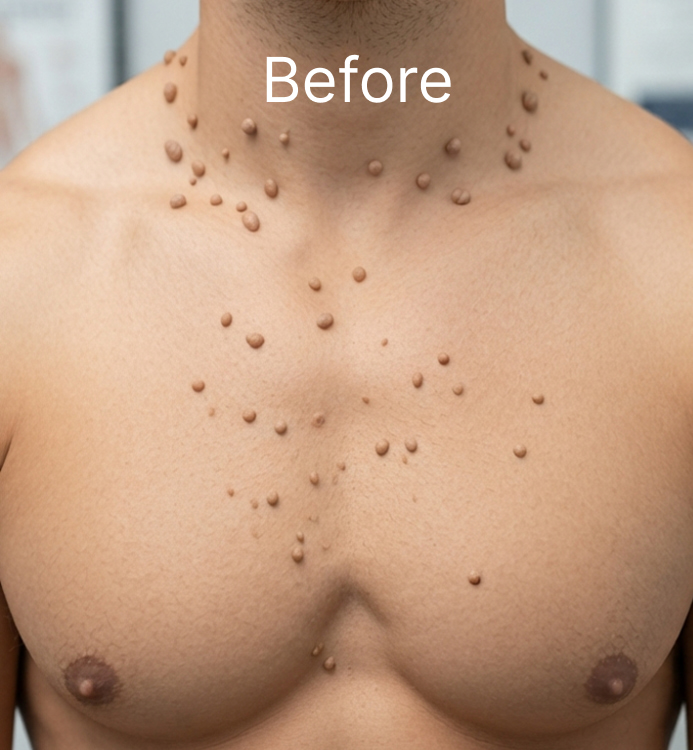
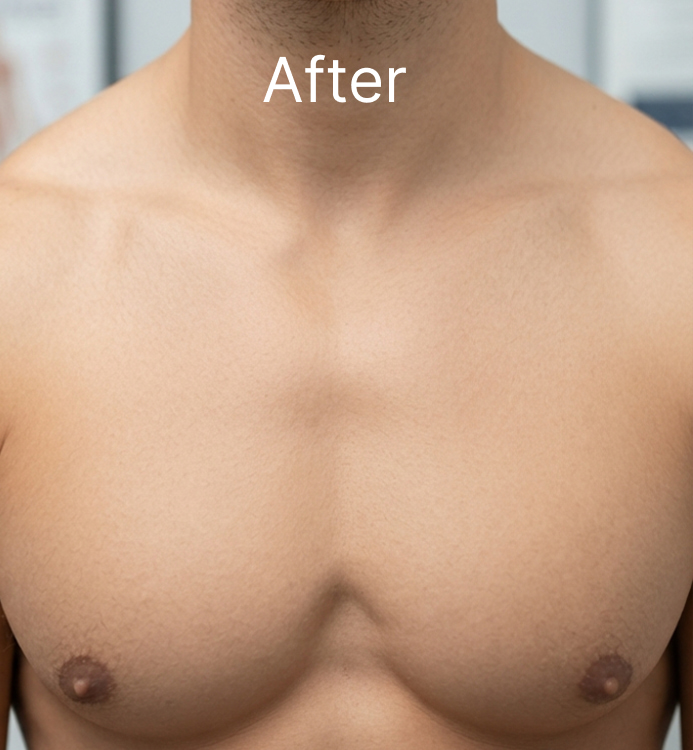
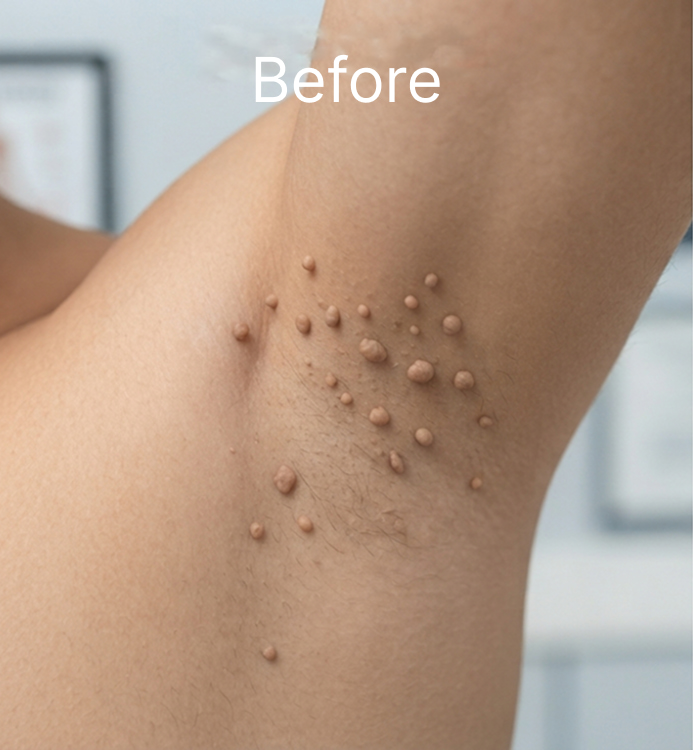
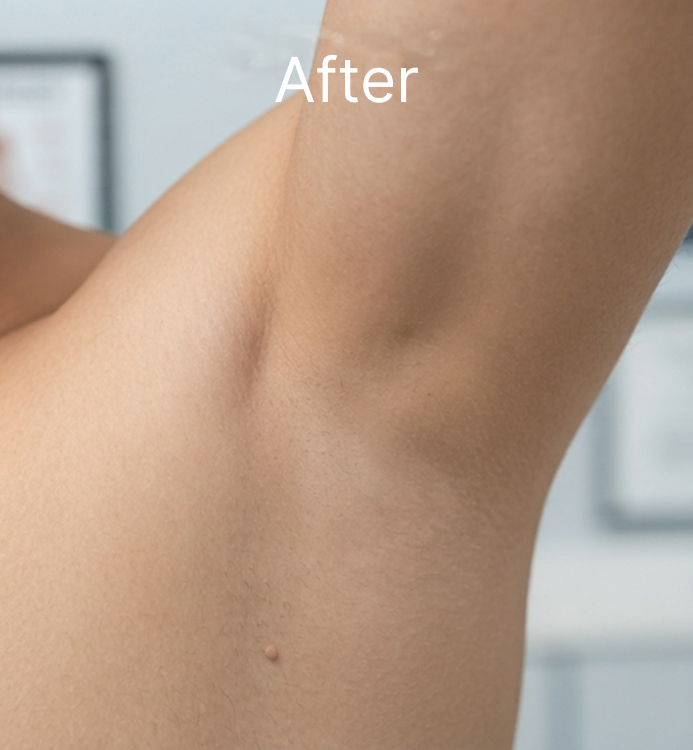
Before and After

See the clean results achieved by our experienced specialists.

What Skin Tag Removal Addresses

Quick, dermatologist-assessed removal of benign skin tags.

Irritated Tags

Removes tags that catch on jewellery, collars or clothing and become sore.

Visible Tags

Clears tags in prominent areas like the neck and eyelids for a cleaner appearance.

Friction-Area Tags

Treats tags in underarms, folds and the groin where rubbing causes discomfort.

Multiple Tags

Several tags removed in a single appointment where suitable.

Peace of Mind

Every growth examined by a dermatologist first — not removed on sight.

Skin Tag Removal Aftercare

Following your skin tag removal at Yoland, please observe the following aftercare guidelines to protect the area and support healing:

Keep the treated area clean and dry, and follow any dressing instructions given

Do not pick at the small scab that forms let it heal and fall away naturally

Apply sun protection to the area once healed to reduce the risk of a mark

Avoid saunas, steam rooms, swimming and heavy sweating for a couple of days
Avoid friction from tight clothing or jewellery over the treated area while it heals

Follow any specific aftercare your dermatologist gives for the method used

Contact the clinic on 04 288 3800 if you notice increasing redness, swelling or any unusual reaction

Skin Tag Removal Prices in Dubai

Your dermatologist will confirm the price after assessing the tags at your appointment. All pricing is provided in writing before removal begins; there are no surprise charges at Yoland.

Meet Our Specialist Team

Our DHA-licensed dermatologists assess every growth before removing it, choose the method that suits the tag and its location, and remove it cleanly with minimal risk of a mark.

Frequently Asked Questions

Is skin tag removal painful?

It’s a minor procedure and generally very well tolerated. Local anaesthetic is used where appropriate, so you may feel a small pinch from that and some pressure, but the removal itself is quick and comfortable.

Depending on the size and location, your dermatologist may use cautery, radiofrequency, cryotherapy (freezing) or fine excision. The method is chosen to suit the individual tag and the area, rather than applied uniformly.

Often, yes, multiple small tags can usually be removed in a single visit. Your dermatologist will confirm at assessment.

It’s not advisable. Home kits, freezing sprays, and thread-tying commonly cause infection, incomplete removal, and worse scarring, and they destroy a growth that was never examined. In-clinic removal is quick, assessed first, and far safer.

A properly removed tag doesn’t grow back in the same spot, but new tags can form elsewhere because the underlying tendency remains. A sudden increase in new tags is worth mentioning, as it’s occasionally worth investigating.


Skin tag removal usually heals with little or no mark, especially for small tags. Any mark tends to fade over time. Your dermatologist will discuss the likely result before removing tags in visible areas.

Skin tags themselves are harmless. However, a sudden crop of new tags can sometimes be associated with weight or insulin resistance, so it’s worth mentioning at your appointment.