
Cellulite Treatment in Dubai
Smoother Skin Texture Through Treatment That Targets the Actual Cause
- Skin Condition
- Nail Condition
- Hair & Scalp
- Minor Procedures
- Botox
- Dermal Fillers
- Mesotherapy
- Skin Booster
- PRP Treatment
- Fat-Dissolving Injection
- Non-Surgical Facial Lifting
- Collagen Biostimulator
- Microneedling
- Scar & Acne Scar
- Cellulite Treatment
- Laser Hair Removal
- Carbon Laser Facial
- Laser Pigmentation
- Laser Acne Scar
- Redness & Vascular
- Tattoo Removal
- Skin Tag Removal
- Deep Cleansing Facials
- Chemical Peels
- Enlarged Pore Treatments
- Skin Brightening
- Stretch Mark Treatment
- RF Microneedling
What Is Cellulite And How Is It Treated?
Cellulite is the dimpled skin texture that appears most commonly on the thighs, buttocks, hips and abdomen. It is caused by the structure of the tissue beneath the skin rather than by excess fat alone. Fibrous bands called septae run vertically from the skin down to the underlying muscle. Where these bands are tight, they pull the skin downward, while the fat between them pushes upward — producing the puckered surface.
This is why cellulite is not a weight problem and does not reliably improve with weight loss. It affects women across every body type, including those who are lean and athletic, because the underlying cause is structural. Women are affected far more than men, largely because the septae are arranged differently.
Treatment works by targeting that structure. Some approaches aim to release or soften the fibrous bands pulling the skin down. Others improve skin thickness and elasticity so the surface holds itself more smoothly, or stimulate circulation and lymphatic drainage in the treated area. Because cellulite has more than one contributing factor, the most effective plans usually combine methods across a course of sessions, and results are maintained rather than permanent.
Cellulite Treatment Areas At Yoland Clinic
Our doctors treat the following areas at our Nadd Al Hamar clinic:
Thighs: Front and Outer
The most commonly treated area. Dimpling across the front and outer thigh is often most visible when standing or in certain lighting, and responds well to combined treatment addressing both the fibrous bands and skin quality.
Thighs: Back and Inner
The back of the thigh, where the leg meets the buttock, is where cellulite is often most pronounced and most bothersome to patients. Treatment here focuses on improving the surface texture and firmness of skin that is naturally thinner and softer.
Buttocks
Dimpling and loss of firmness across the buttocks are treated with an approach that combines texture improvement with skin tightening, since laxity and cellulite frequently occur together in this area.
Hips & Flanks
The outer hip and flank often show a combination of textural irregularity and contour concerns. Treatment here can be planned alongside body contouring if both are relevant to your goals.
Abdomen
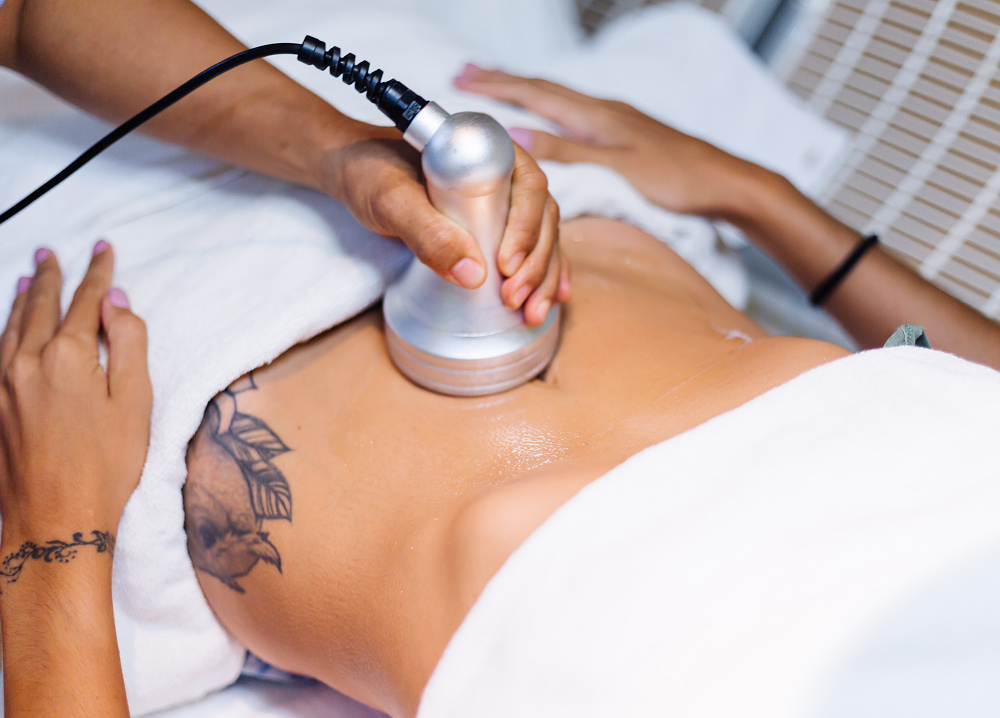
Cellulite on the abdomen is common after pregnancy or weight change and frequently accompanies skin laxity. Treatment focuses on improving both texture and firmness, and your doctor will be direct about which of the two is the dominant issue for you.
Upper Arms
Textural irregularity and reduced firmness on the back of the upper arm can be treated with the same combined approach, with treatment intensity adjusted for the thinner skin in this area.
Skin Quality & Collagen Stimulation For Cellulite
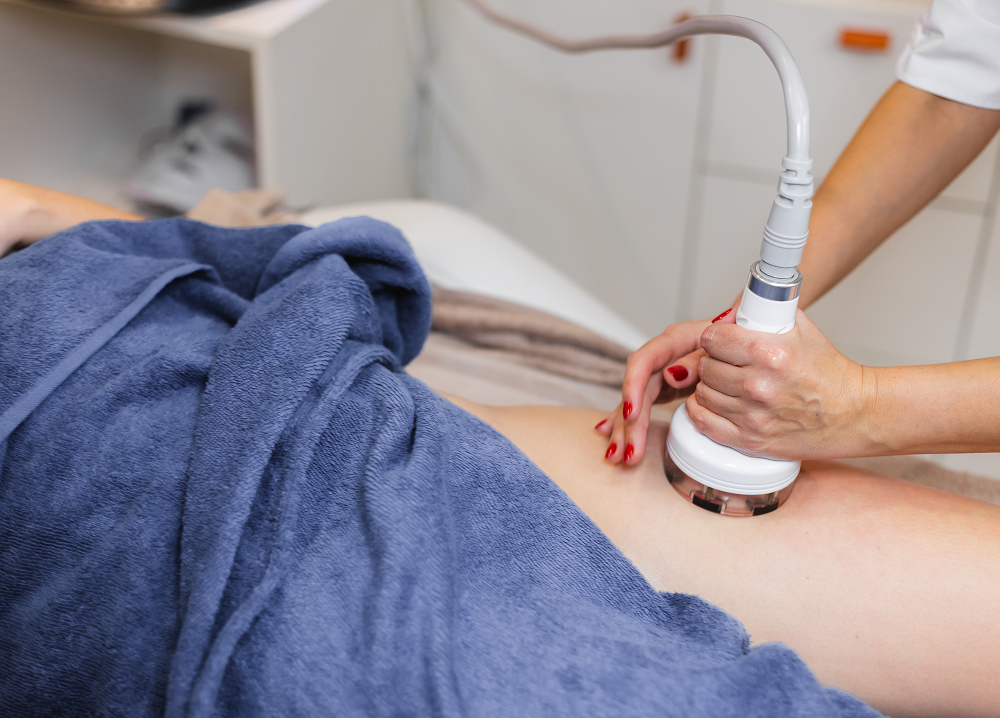
Thin, lax skin makes cellulite more visible, because a thinner surface conforms more closely to the irregular tissue beneath it. Improving the skin’s own thickness and elasticity therefore reduces how obvious the dimpling appears, independent of any change to the fat or fibrous bands.
Treatments in this group stimulate collagen production in the dermis of the treated area, building firmness gradually over the months following a course. This approach is particularly useful where cellulite is accompanied by laxity — after pregnancy, after weight loss, or simply with age — and it is often what makes the difference between a modest result and a satisfying one.
Why This Approach at Yoland?
- Addresses skin quality, which is frequently the overlooked half of the problem
- Results continue developing for months after the final session
- Combines well with band-targeting treatments in one plan
- Suitable for patients whose main concern is firmness rather than dimpling alone
- Assessed and planned by DHA-licensed doctors
Circulation, Drainage & Texture Treatments
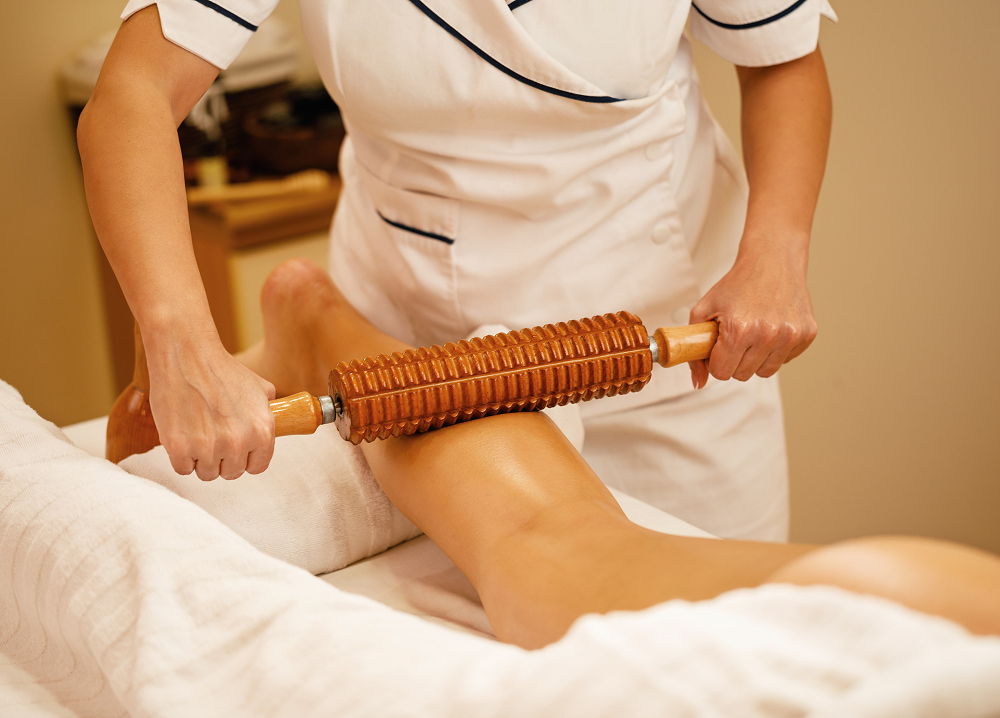
The second group of treatments works on the tissue itself — improving circulation and lymphatic drainage in the treated area, softening fibrous tethering, and reducing the fluid retention that can make dimpling look worse than it is.
These treatments are typically delivered as a course of shorter sessions and produce visible improvement in surface smoothness. They are often the more immediately noticeable half of a plan, while collagen stimulation delivers the longer-term structural change. Used together across a staged course, the two address different contributors to the same appearance.
Why This Approach at Yoland?
- Targets fluid retention and tethering rather than skin surface alone
- Improvement is often visible earlier in the course
- Comfortable, with no downtime for most patients
- Pairs naturally with collagen stimulation in a combined plan
- Maintenance sessions keep results in place over time
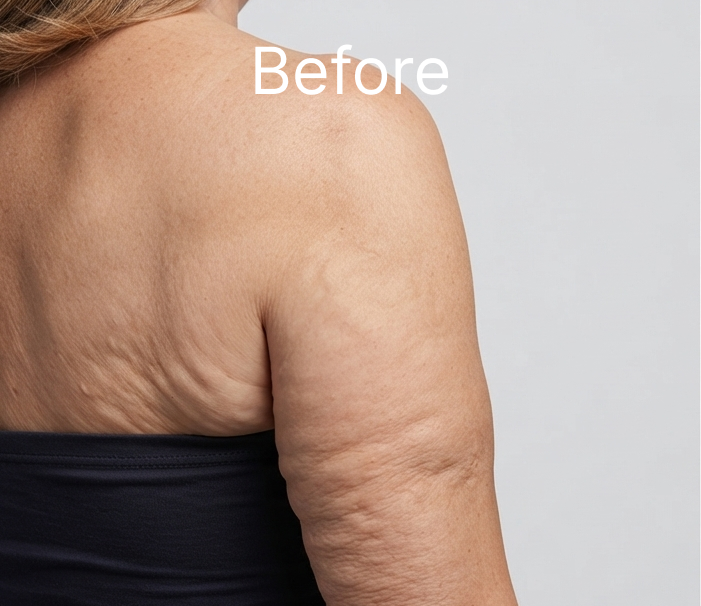
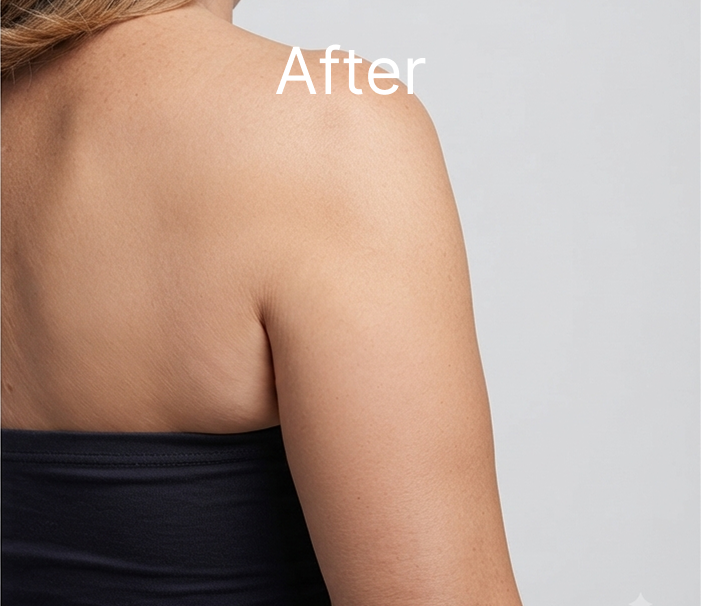
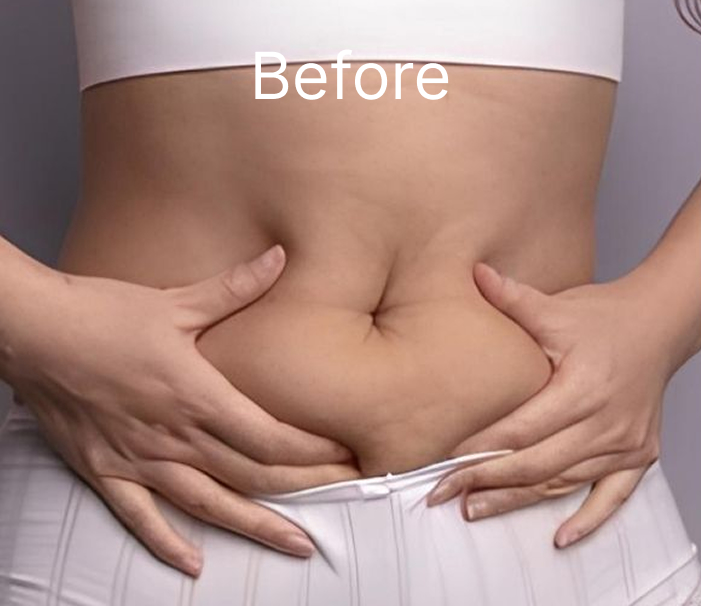
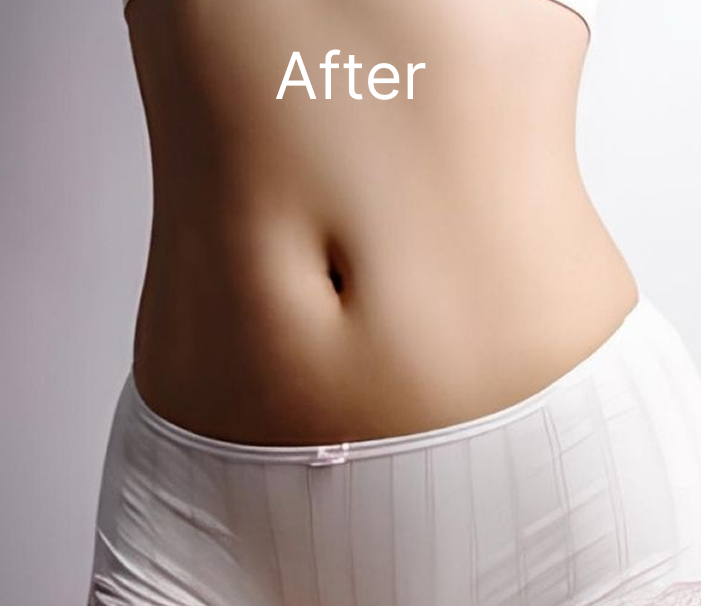
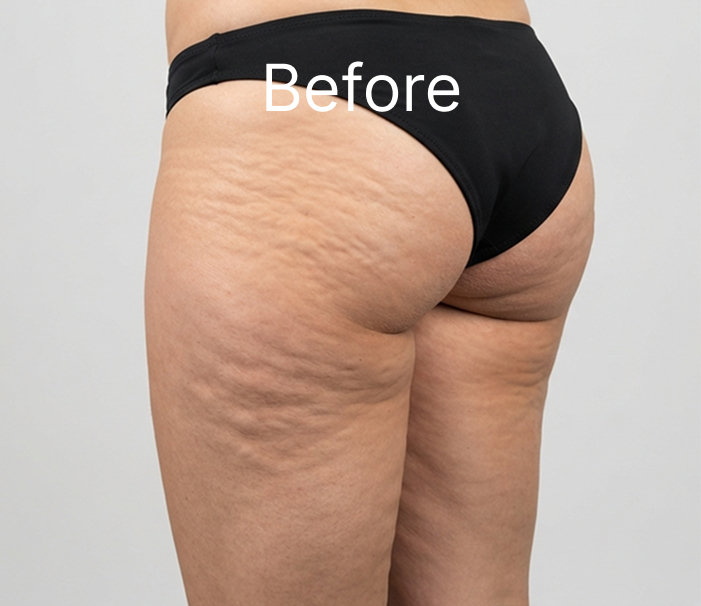
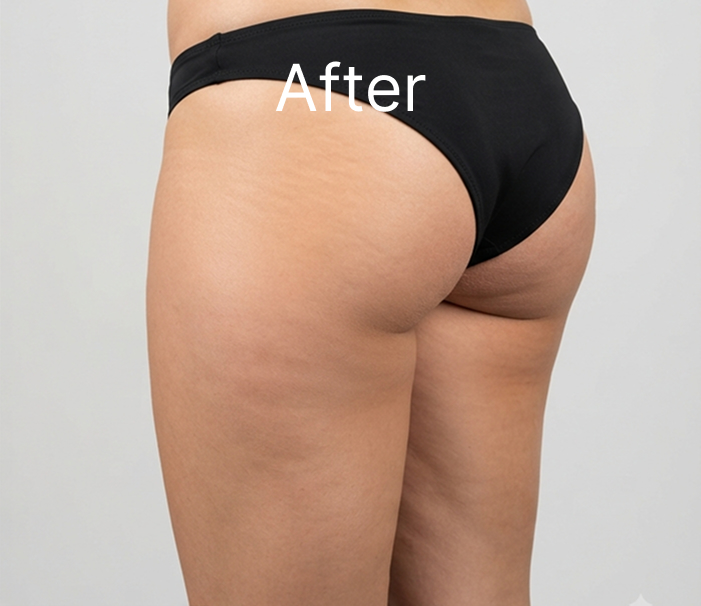
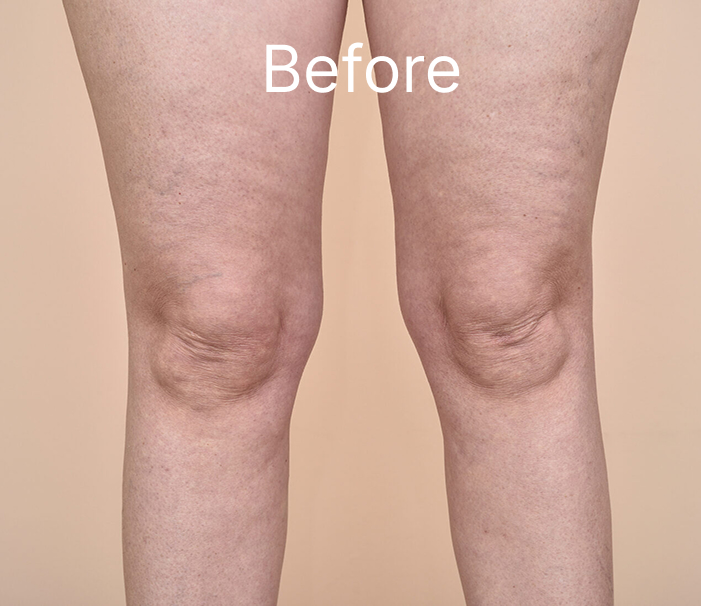
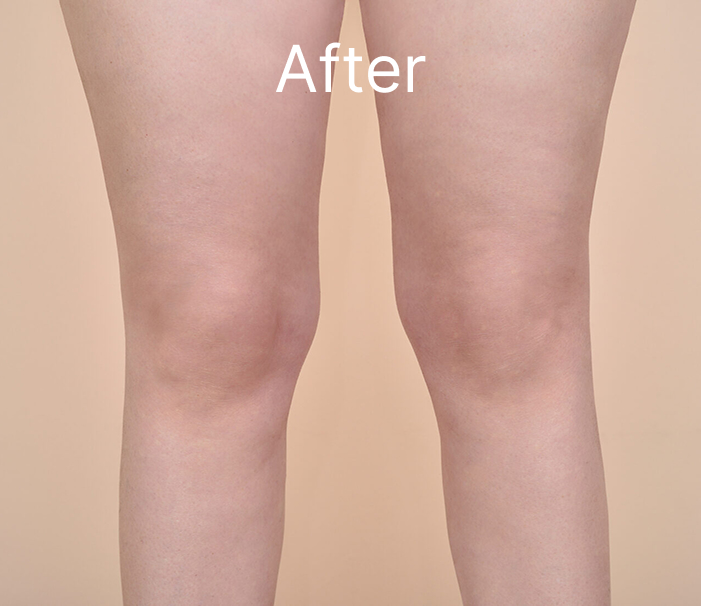
Before and After
See the results achieved by our experienced specialists.
What Actually Causes Cellulite
Understanding the cause explains why some approaches work and others do not.

Fibrous septae
Vertical bands tether the skin to deeper tissue. Where they are tight, the skin is pulled inward while fat pushes outward between them.

Skin thickness and elasticity
Thinner, less elastic skin conforms more visibly to the irregular tissue beneath. This is why cellulite often becomes more noticeable with age.

Hormonal influence
Oestrogen affects fat distribution, connective tissue and circulation, which is a significant part of why cellulite predominantly affects women.

Circulation and fluid retention
Reduced circulation and lymphatic drainage in the area can worsen the appearance, and this component often responds well to treatment.

Genetics
Septae arrangement, skin thickness and fat distribution are all inherited to a significant degree, which is why cellulite is not a reflection of lifestyle.
Cellulite Treatment Aftercare — What To Do After Your Treatment
Following your treatment at Yoland, please observe the following aftercare guidelines:

Drink plenty of water in the days following treatment to support lymphatic drainage

Keep moving — light walking supports circulation in the treated area

Avoid saunas, steam rooms and very hot baths for 48 hours

Avoid strenuous exercise for 24 to 48 hours, or as advised by your doctor

Wear any compression garment your doctor recommends for the period specified

Expect mild tenderness or bruising in the treated area — this settles within days

Attend your full course — results build across sessions rather than after one

Contact the clinic immediately on 04 288 3800 if you experience any unusual side effects
Cellulite Treatment Prices At Yoland Specialist Polyclinic, Dubai
We price cellulite treatment by area and by the methods included in your plan — you pay for the areas you are actually having treated, not a fixed package. All pricing is provided in writing before any procedure starts — there are no surprise charges at Yoland.
Meet Our Specialist Team
Our DHA licensed doctors assess cellulite properly before recommending treatment — distinguishing between dimpling caused by fibrous tethering, visible irregularity driven by skin laxity, and contour concerns that are a separate issue altogether. They will tell you honestly what degree of improvement is realistic for your skin before you commit to a course.
Frequently Asked Questions
Will cellulite treatment get rid of my cellulite completely?
Treatment aims for visible improvement in skin texture and firmness rather than complete removal. Cellulite is a structural characteristic of the tissue, and no treatment eliminates it permanently. Most patients see a meaningful reduction in how noticeable the dimpling is, and results are maintained with periodic sessions.
Is cellulite treatment the same as weight loss?
No. Cellulite is caused by the structure of the connective tissue beneath the skin, not by excess fat alone, which is why it affects women of every body type including those who are lean and athletic. Losing weight does not reliably improve cellulite, and cellulite treatment is not a weight loss treatment.
How many sessions will I need?
This depends on the area, the severity and the methods in your plan, but a course rather than a single session is always required. Your doctor will confirm the recommended number after assessing you, and will explain how the sessions are spaced.
How long do the results last?
Results are maintained rather than permanent, because the underlying tissue structure remains. Most patients keep their results with periodic maintenance sessions. Your doctor will advise on an appropriate interval once your initial course is complete.
Will exercise and diet fix cellulite instead?
Exercise and a healthy diet support skin and tissue quality and are worth maintaining, but they do not reliably resolve cellulite because they do not change the fibrous bands causing the dimpling. Many women who exercise regularly still have cellulite. Treatment addresses the structural cause directly.
Can men have cellulite treatment?
Yes. Cellulite is far less common in men because the fibrous septae are arranged differently, but men do present with it and can be treated. Assessment and planning follow the same process.