
Scar & Acne Scar Treatment in Dubai
Improving Texture, Tone and Depth with a Plan Built Around Your Scar Type
- Skin Condition
- Nail Condition
- Hair & Scalp
- Minor Procedures
- Botox
- Dermal Fillers
- Mesotherapy
- Skin Booster
- PRP Treatment
- Fat-Dissolving Injection
- Non-Surgical Facial Lifting
- Collagen Biostimulator
- Microneedling
- Scar & Acne Scar
- Cellulite Treatment
- Laser Hair Removal
- Carbon Laser Facial
- Laser Pigmentation
- Laser Acne Scar
- Redness & Vascular
- Tattoo Removal
- Skin Tag Removal
- Deep Cleansing Facials
- Chemical Peels
- Enlarged Pore Treatments
- Skin Brightening
- Stretch Mark Treatment
- RF Microneedling
What Is Scar Treatment And How Does It Work?
A scar forms when the skin repairs itself after injury, inflammation or surgery. The replacement tissue is structurally different from the skin around it — the collagen is laid down in a less organised pattern, which is why a scar reads differently in texture, colour or depth even once it has fully healed.
Scar treatment works by remodelling that tissue. Different techniques do this in different ways: some break the fibrous tethers pulling a scar downward, some stimulate new collagen to fill a depression, some resurface the upper layers to smooth texture, and some target the redness or pigmentation that makes a scar visible. Which approach is right depends entirely on what kind of scar you have.
This is the part that matters most, and the part most often skipped. Rolling, boxcar, ice-pick, raised, and pigmented scars respond to different treatments, and a plan built on the wrong assessment produces disappointing results regardless of how good the technology is. At Yoland, every scar consultation starts with identifying the scar type — usually more than one type is present on the same face before any treatment is recommended. Most plans combine two or more methods across a course of sessions.
Scar Types We Treat At Yoland Clinic
Our doctors assess and treat the following at our Nadd Al Hamar clinic:
Rolling Acne Scars
Broad, shallow depressions with sloping edges that give the skin an undulating surface, most visible in side lighting. Rolling scars are tethered to deeper tissue by fibrous bands, which is why resurfacing alone rarely improves them — the tether has to be released before the surface can lift. Subcision, often combined with collagen stimulation, is the usual approach.
Boxcar Acne Scars
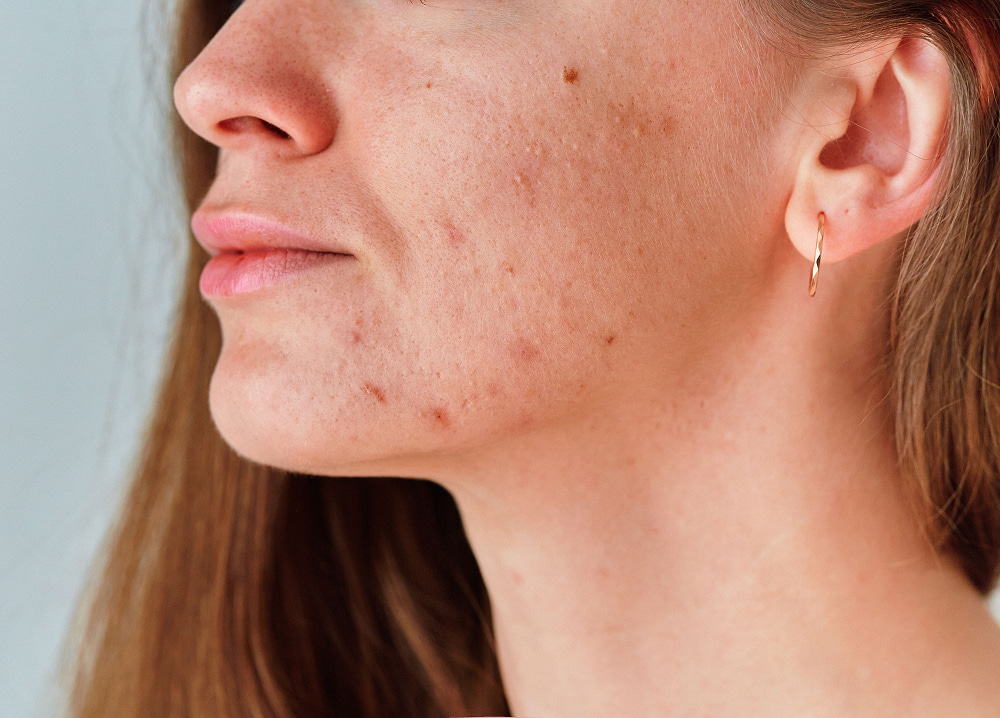
Round or oval depressions with sharply defined vertical edges, wider than they are deep. Because the walls are steep, the aim is to soften the edge and rebuild volume in the base. Microneedling, fractional laser resurfacing and, for deeper individual scars, targeted filler are the methods most often used.
Ice-Pick Acne Scars
Narrow, deep, sharply defined pits that extend well into the dermis — the most difficult acne scar type to treat. Surface resurfacing has limited effect because the scar is deeper than it is wide. These respond better to focal techniques that target each scar individually, and realistic expectation-setting is an important part of the consultation.
Post-Inflammatory Hyperpigmentation
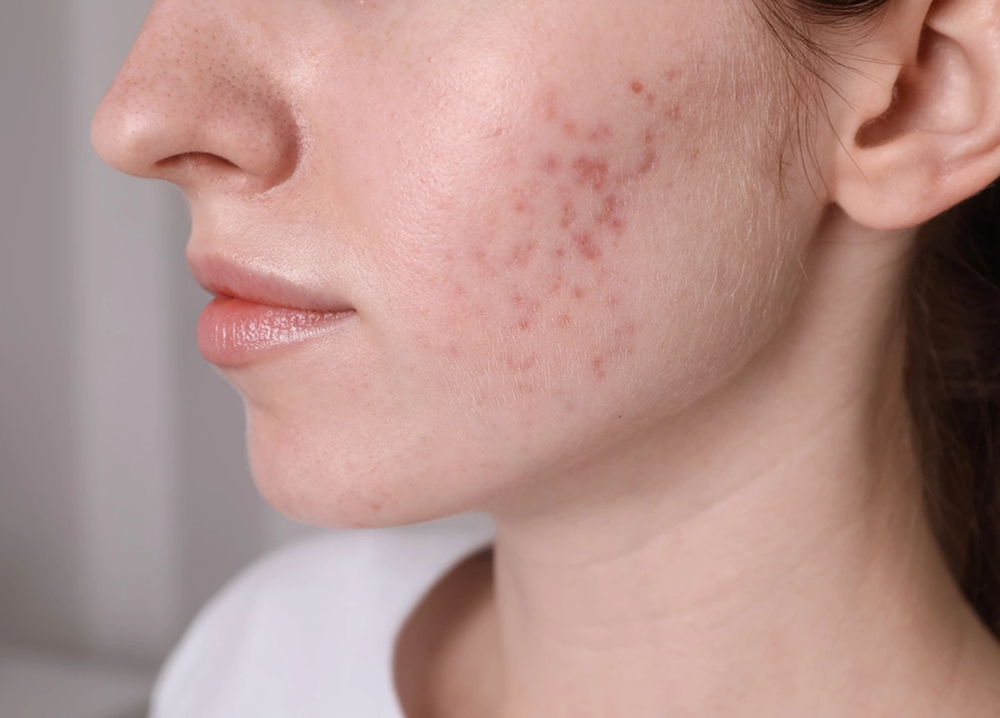
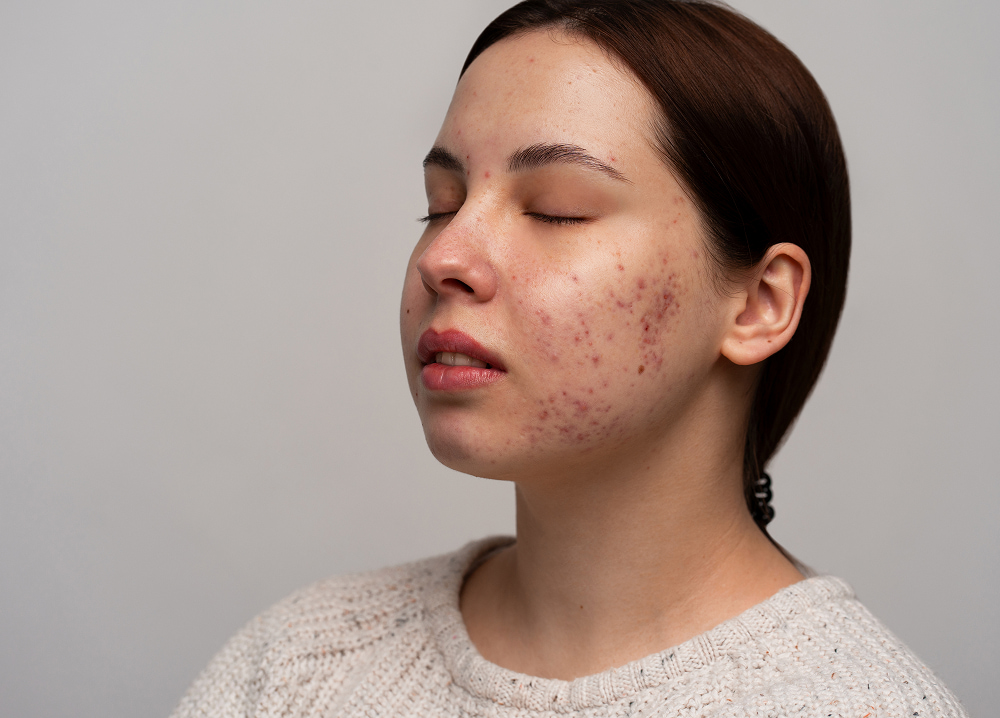
The brown or dark marks left behind after a spot has healed. These are not true scars — the skin surface is intact and the discolouration is pigment, not lost tissue. This distinction matters, because pigmentation often fades substantially with the right topical and in-clinic approach and does not need the same treatments as textural scarring.
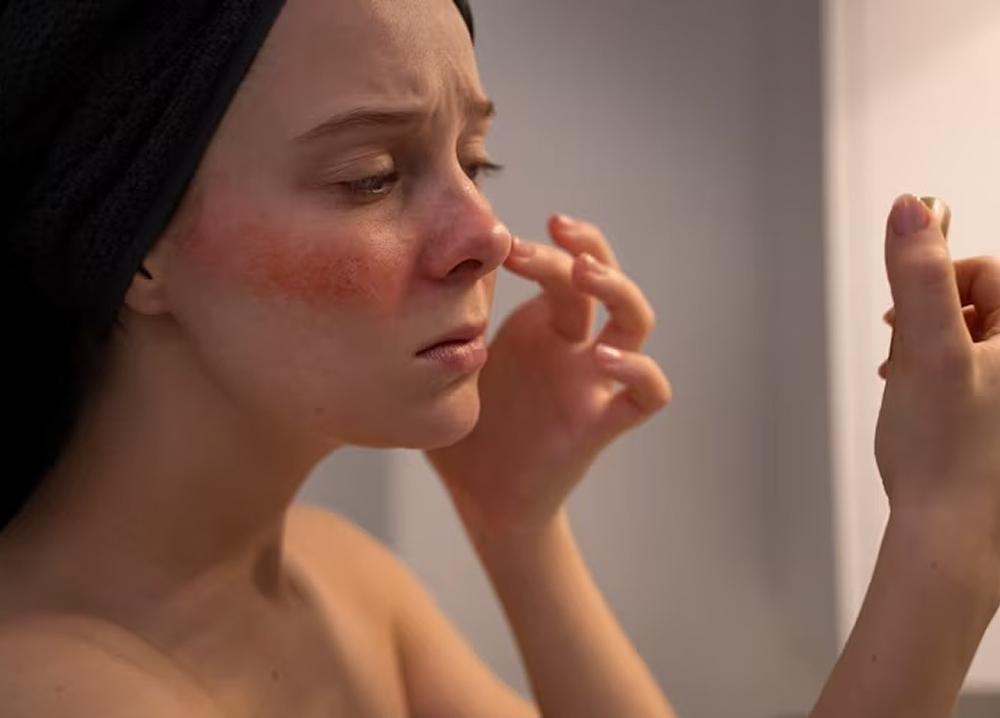
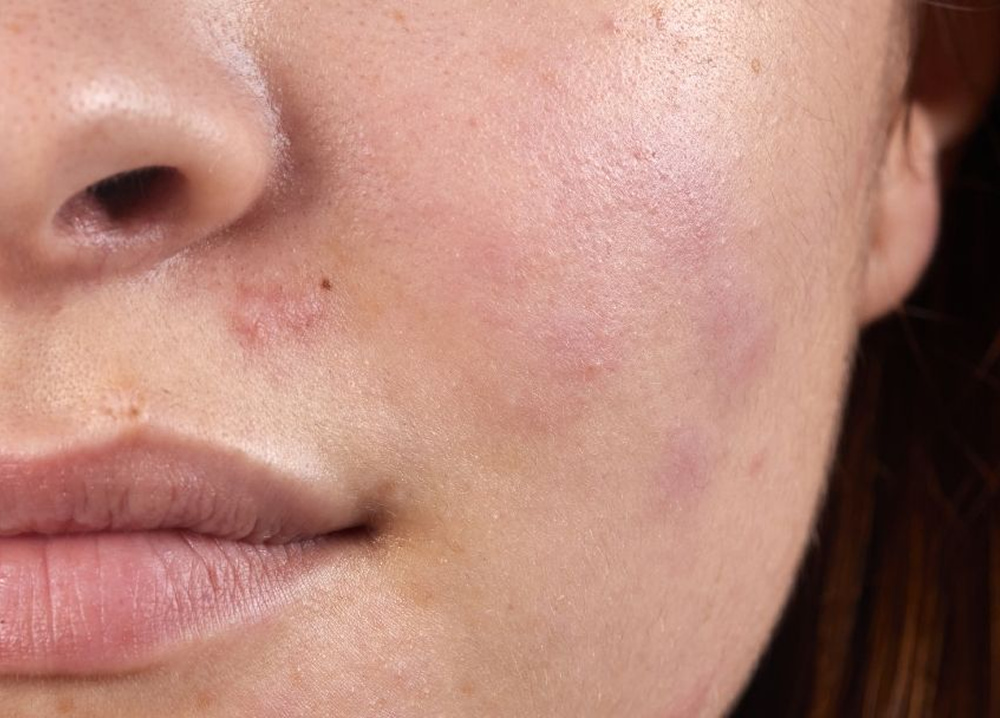
Post-Inflammatory Erythema
The pink or red marks that persist after inflammation settles, most common in lighter skin tones. Like pigmentation, this is a colour concern rather than a textural one, caused by dilated superficial vessels rather than lost collagen. It is treated differently from a depressed scar and often improves considerably.
Hypertrophic & Keloid Scars
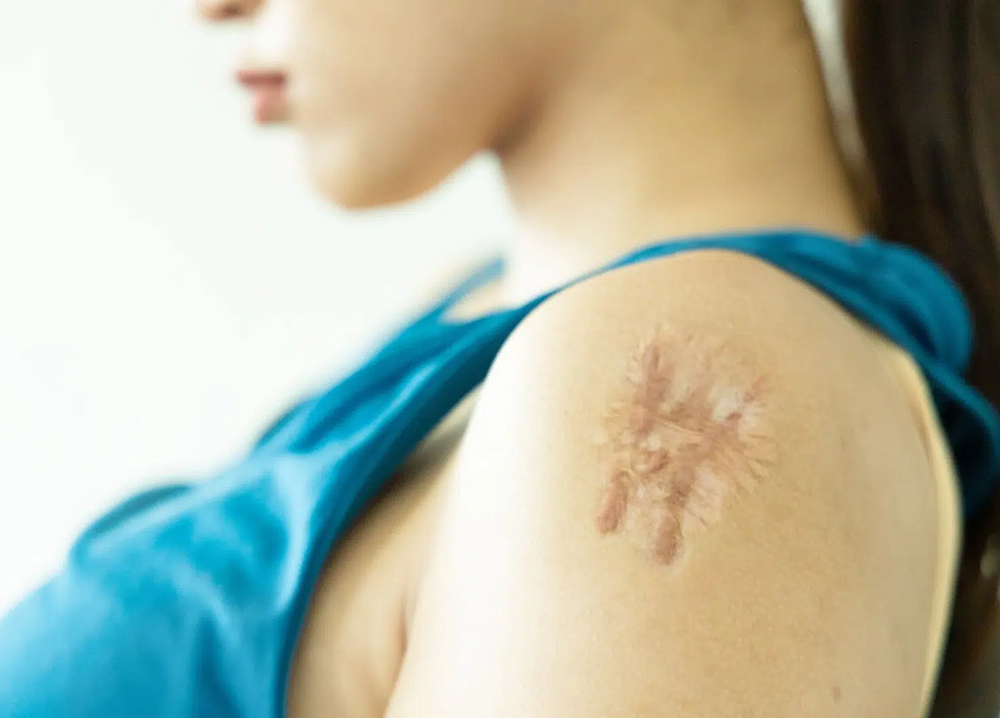
Raised scars where the healing response has over-produced tissue. A hypertrophic scar stays within the original wound boundary; a keloid extends beyond it. Both need a different strategy from depressed scarring — the aim is to flatten and soften rather than to build. Keloids in particular can recur, and management is often ongoing rather than a single course.
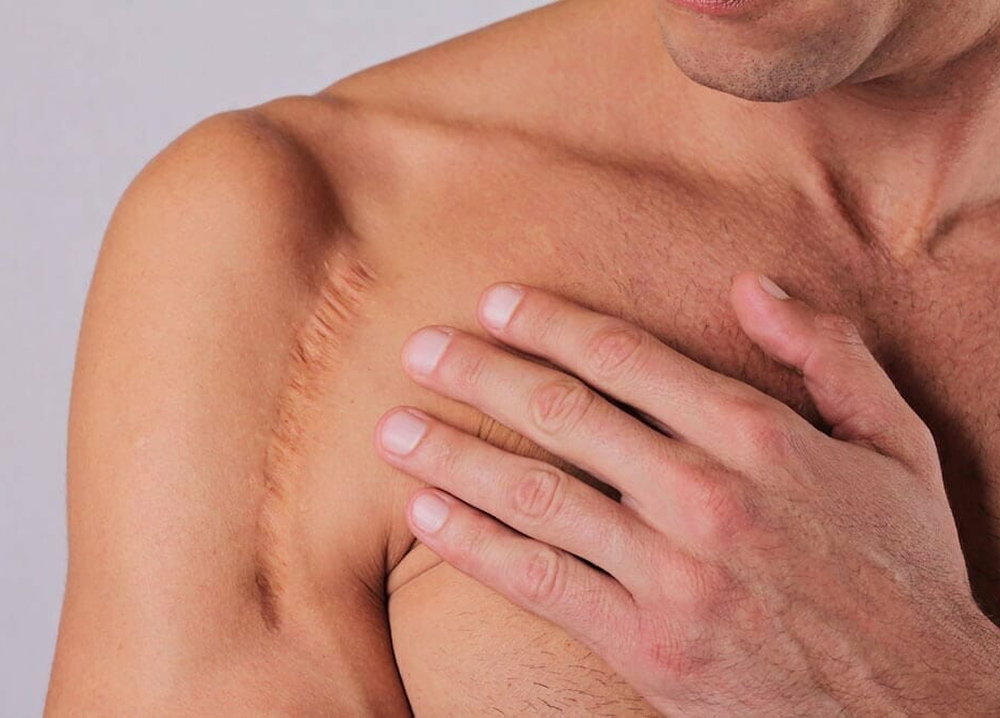
Surgical, Trauma & Burn Scars
Scars from operations, injuries, caesarean sections and burns can be improved in texture, colour and flexibility. Timing matters here: some scars respond better when treated relatively early in their maturation, while others are best left to settle first. Your doctor will advise on the right window for your scar.
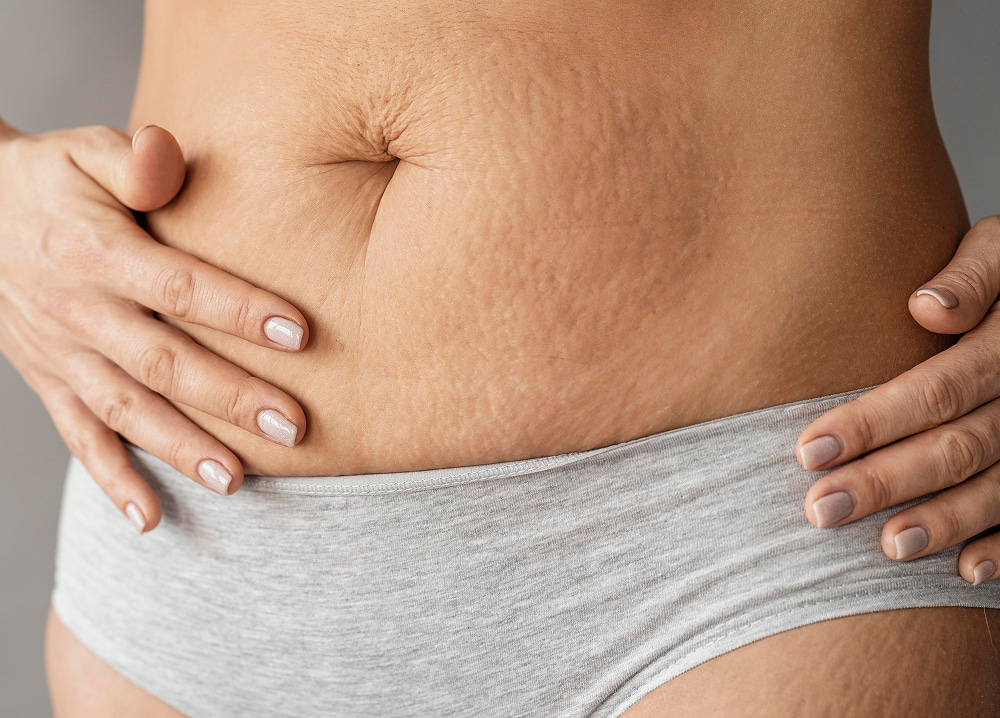
Stretch Marks — Striae
Stretch marks are a form of scarring in the dermis, caused by rapid stretching of the skin during growth, pregnancy or weight change. Newer red or purple marks generally respond better than older white ones, and treatment aims for meaningful improvement in texture and colour rather than removal.
Subcision & Collagen Stimulation In Dubai
For tethered scars — rolling scars in particular — subcision releases the fibrous bands anchoring the scar to the tissue beneath. A fine instrument is passed under the scar to break those attachments, allowing the depressed surface to lift. The controlled healing response that follows also stimulates new collagen in the space created.
Subcision is frequently combined with a collagen biostimulator or filler placed into the released area, which supports the lift while new collagen develops. This combination addresses both the cause of the depression and the volume deficit, which is why it outperforms either technique alone for this scar type.
Why Subcision at Yoland?
- Directly addresses the tethering that resurfacing cannot reach
- Particularly effective for rolling and tethered boxcar scars
- Combines well with biostimulators and microneedling in one plan
- Performed by DHA-licensed doctors with facial anatomy training
- Bruising is expected and settles over one to two weeks
Resurfacing & Skin Remodelling In Dubai
Resurfacing treatments work on the scar surface and the surrounding skin, improving texture, edge definition and overall tone. Microneedling creates controlled micro-injuries that trigger collagen remodelling across the treated area. Fractional laser resurfacing treats columns of skin while leaving surrounding tissue intact, which speeds healing while still driving significant remodelling. Chemical peels can be used to refine surface texture and address pigmentation alongside either.
Resurfacing is generally the workhorse of an acne scar plan, delivering steady cumulative improvement across a course of sessions. It is most effective on boxcar scarring, general textural irregularity, and overall skin quality, and less effective on ice-pick scars or deeply tethered rolling scars used on its own.
Why Resurfacing at Yoland?
- Improves the whole treated area, not just individual scars
- Suitable for combining with subcision in a staged plan
- Adjustable in intensity across a course as your skin responds
- Assessed for suitability against your skin tone before treatment
- Sun protection during and after the course is essential and explained fully
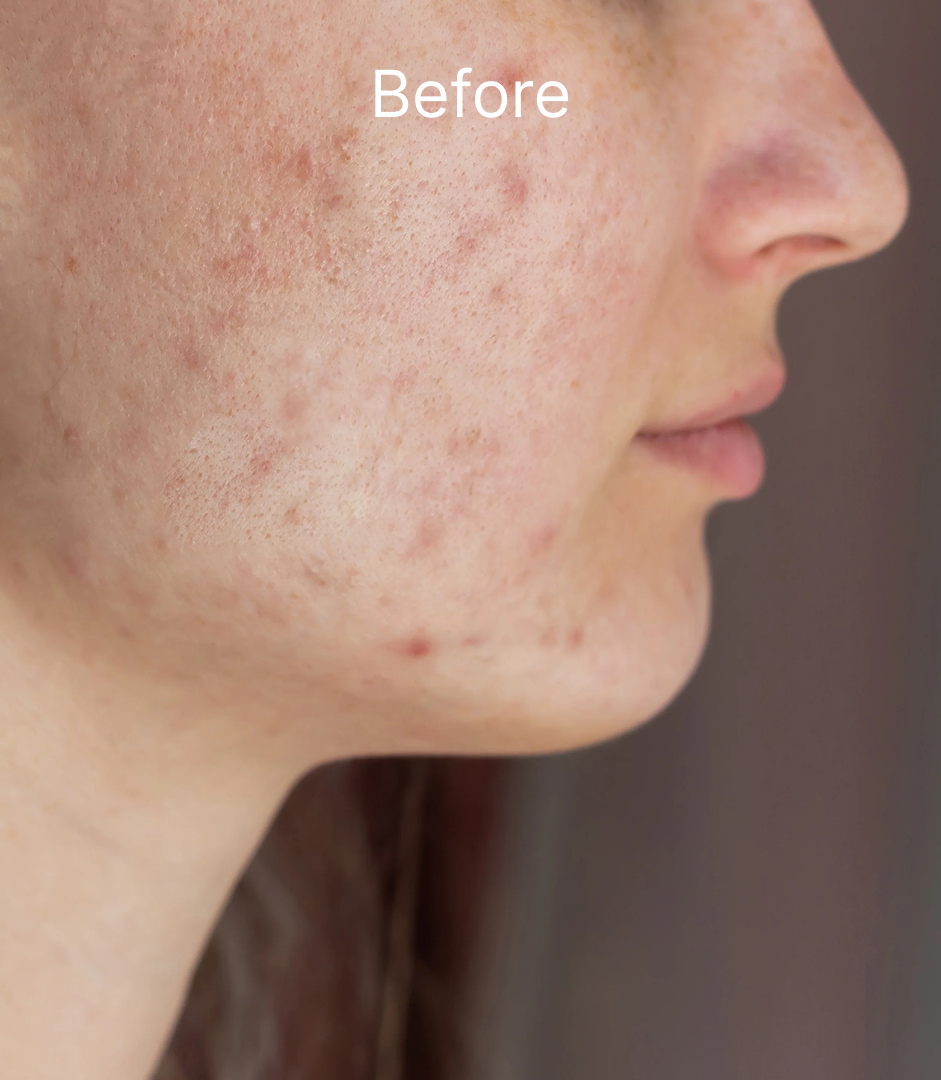
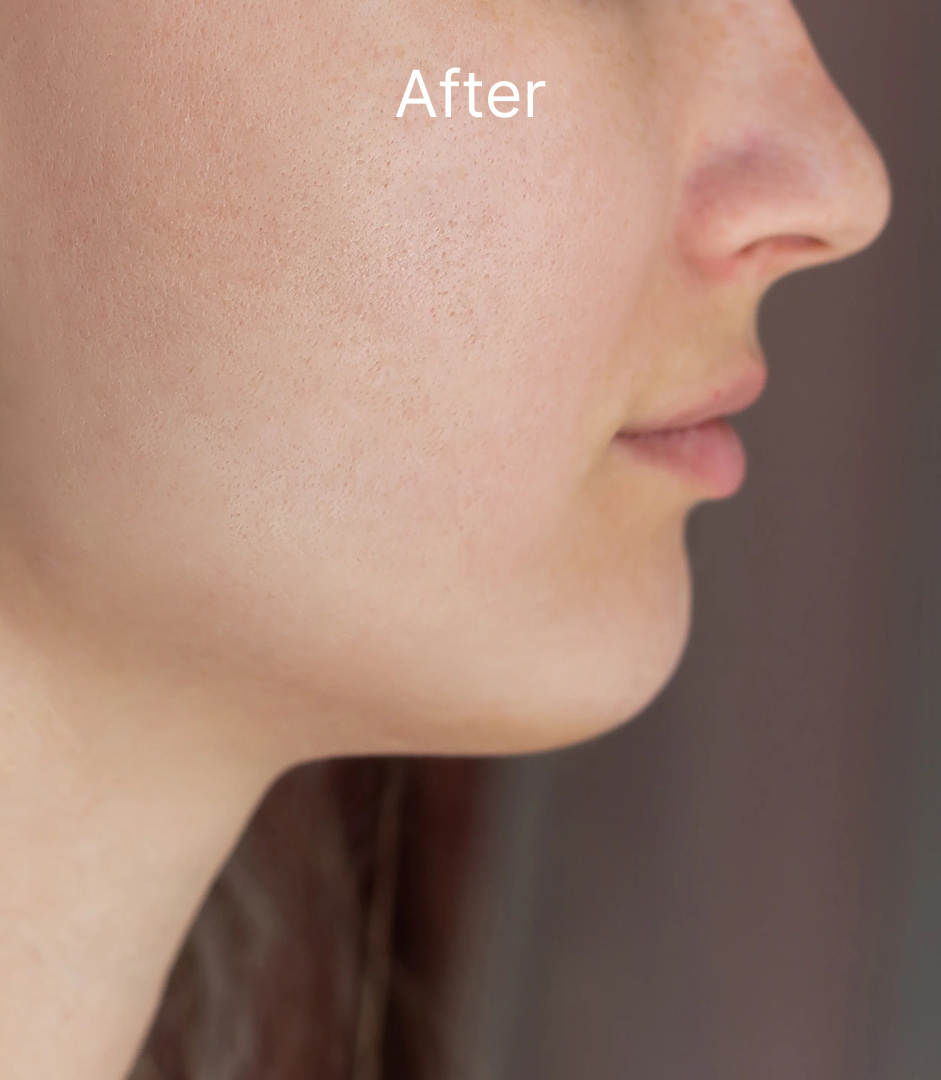
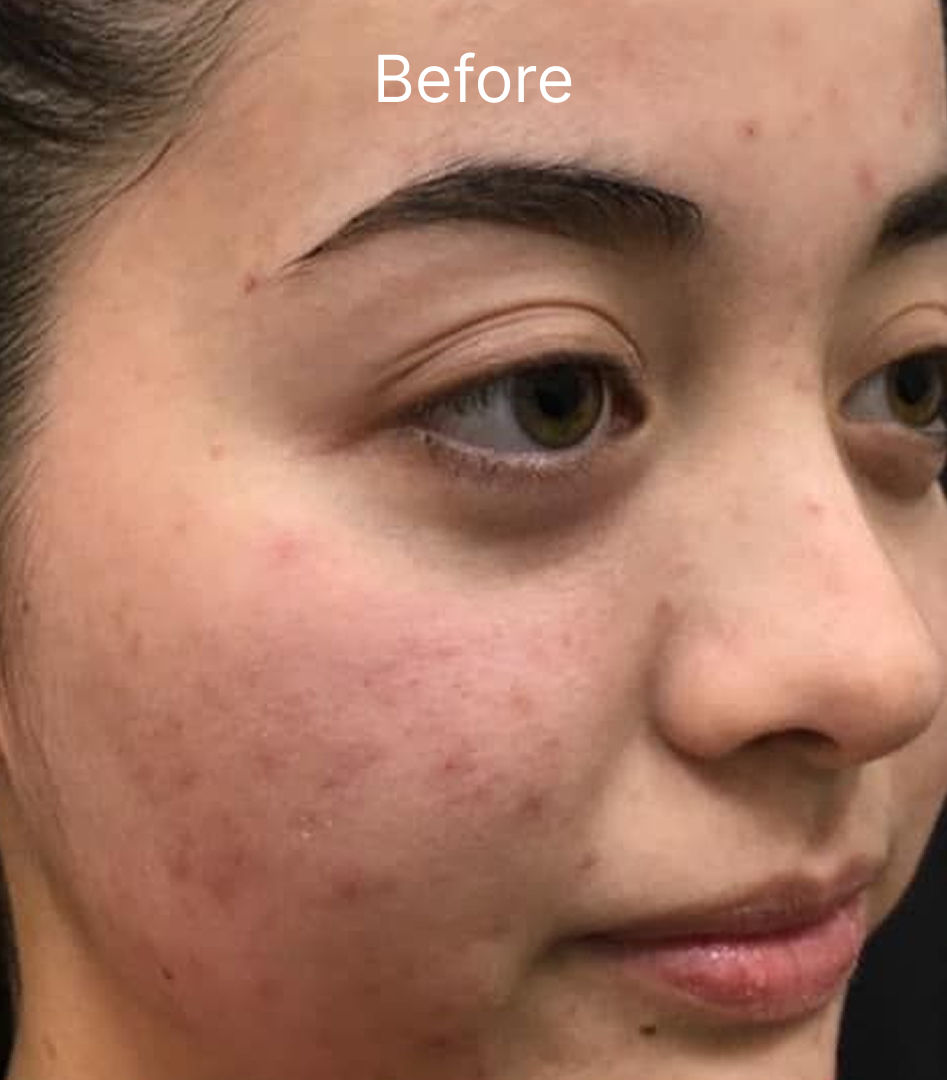
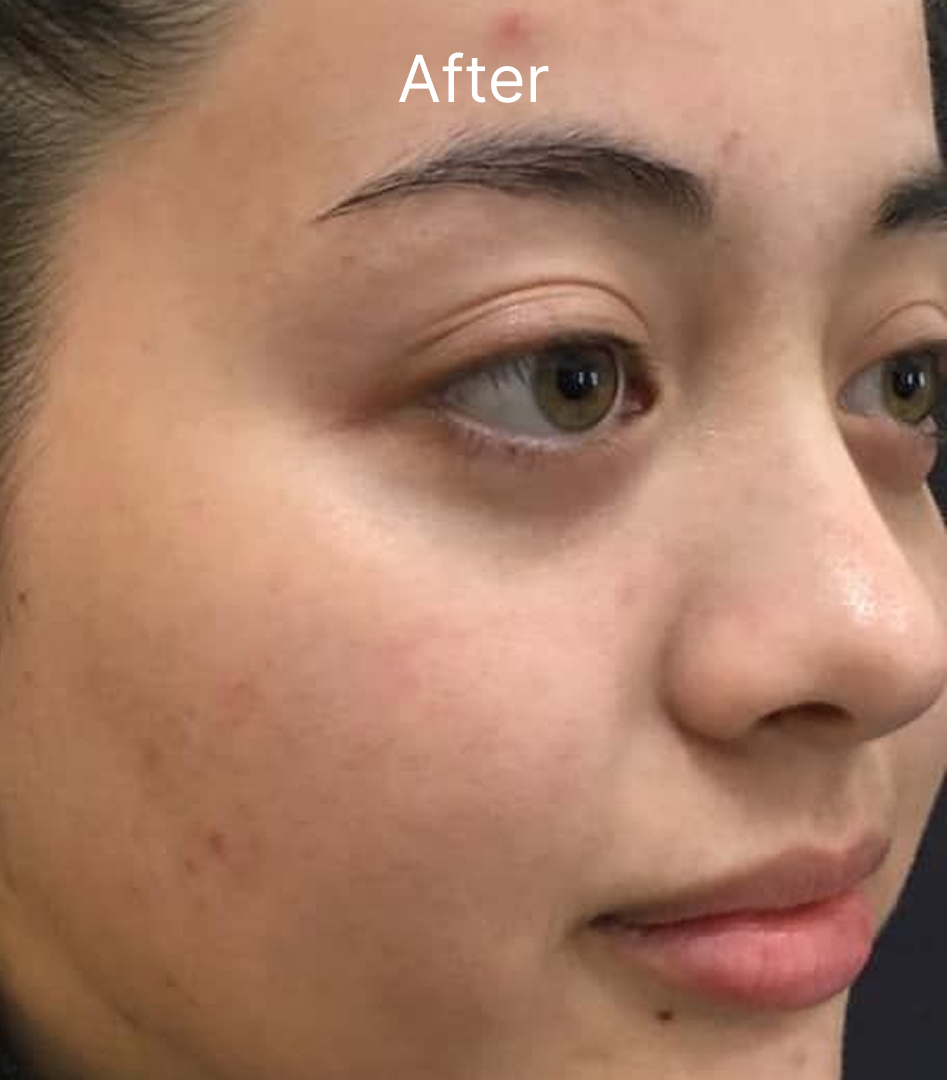
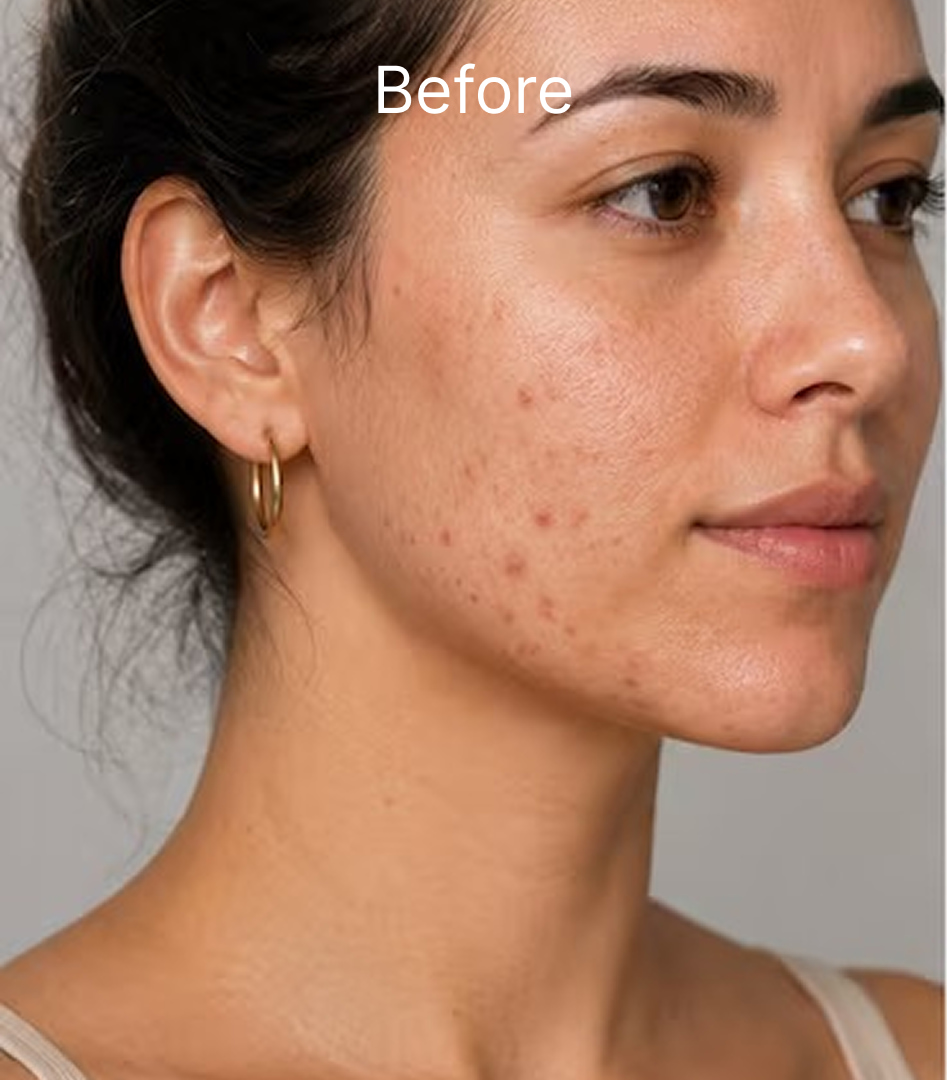
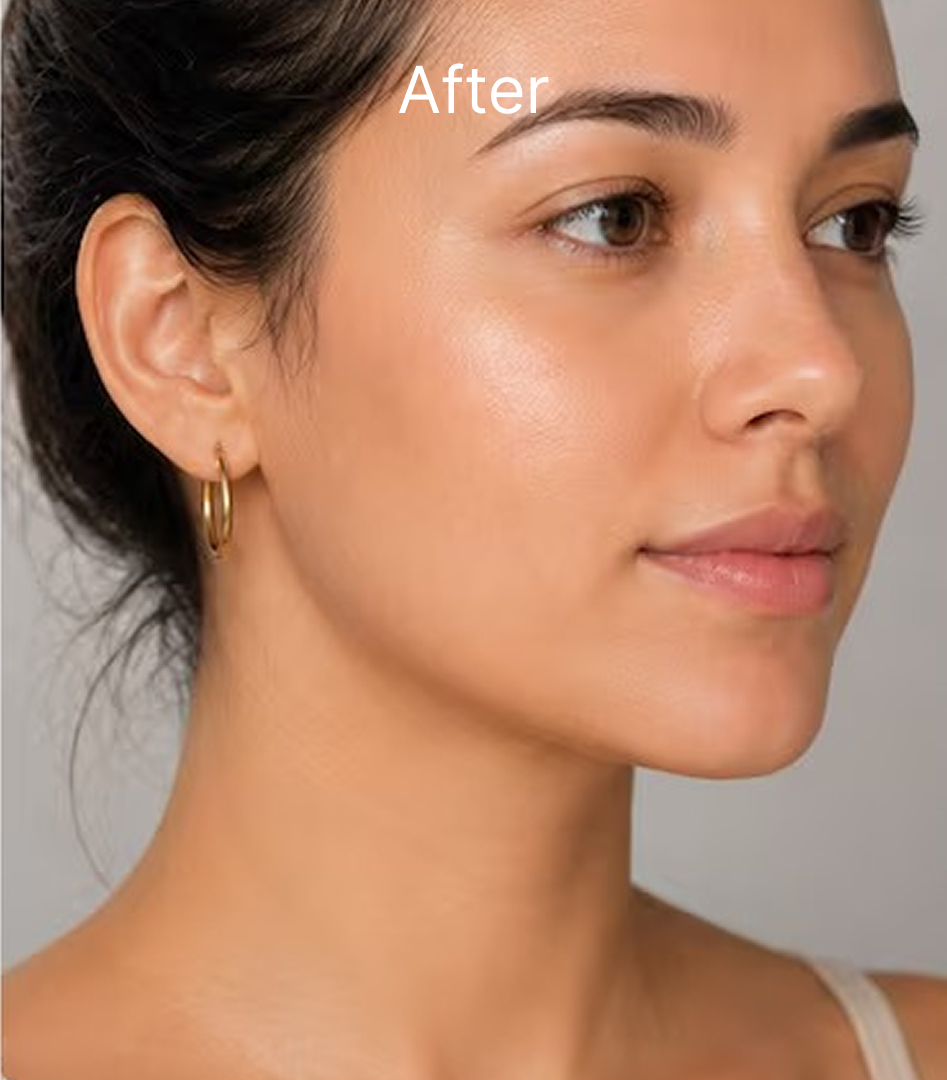
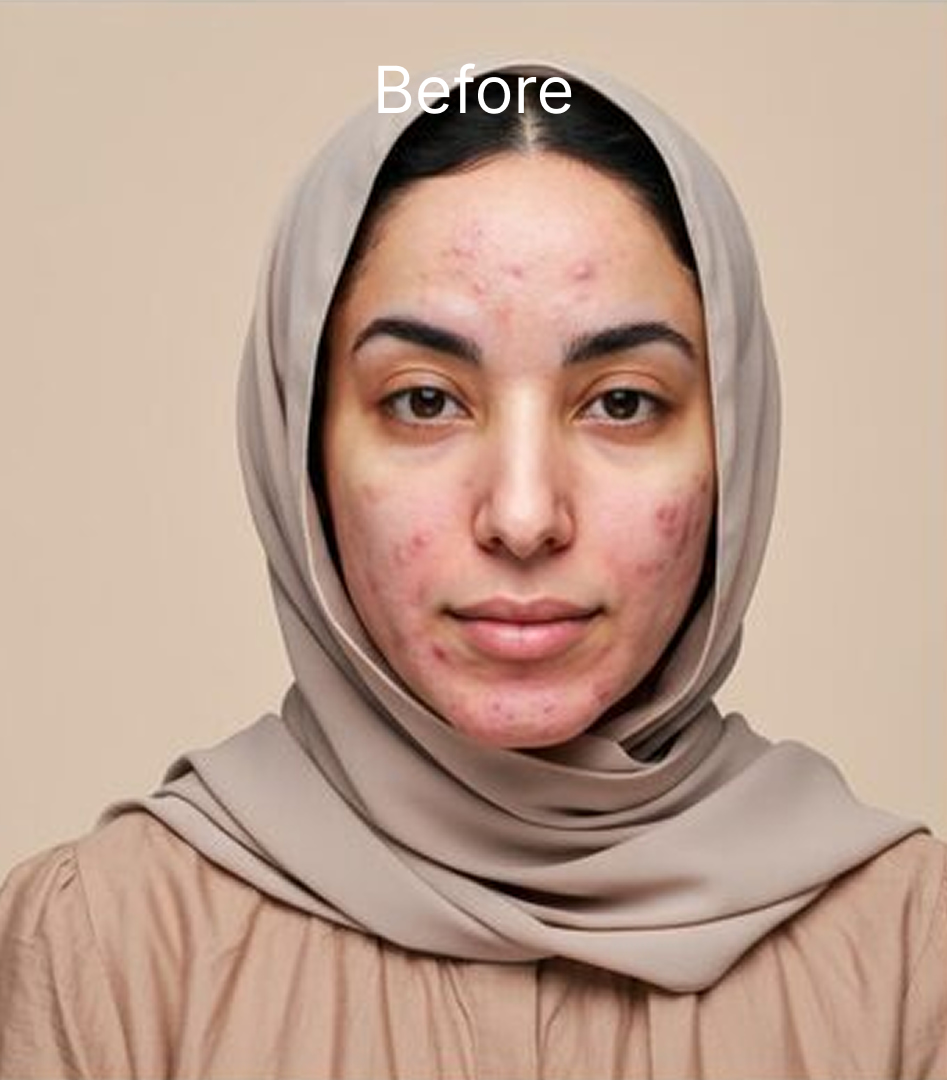
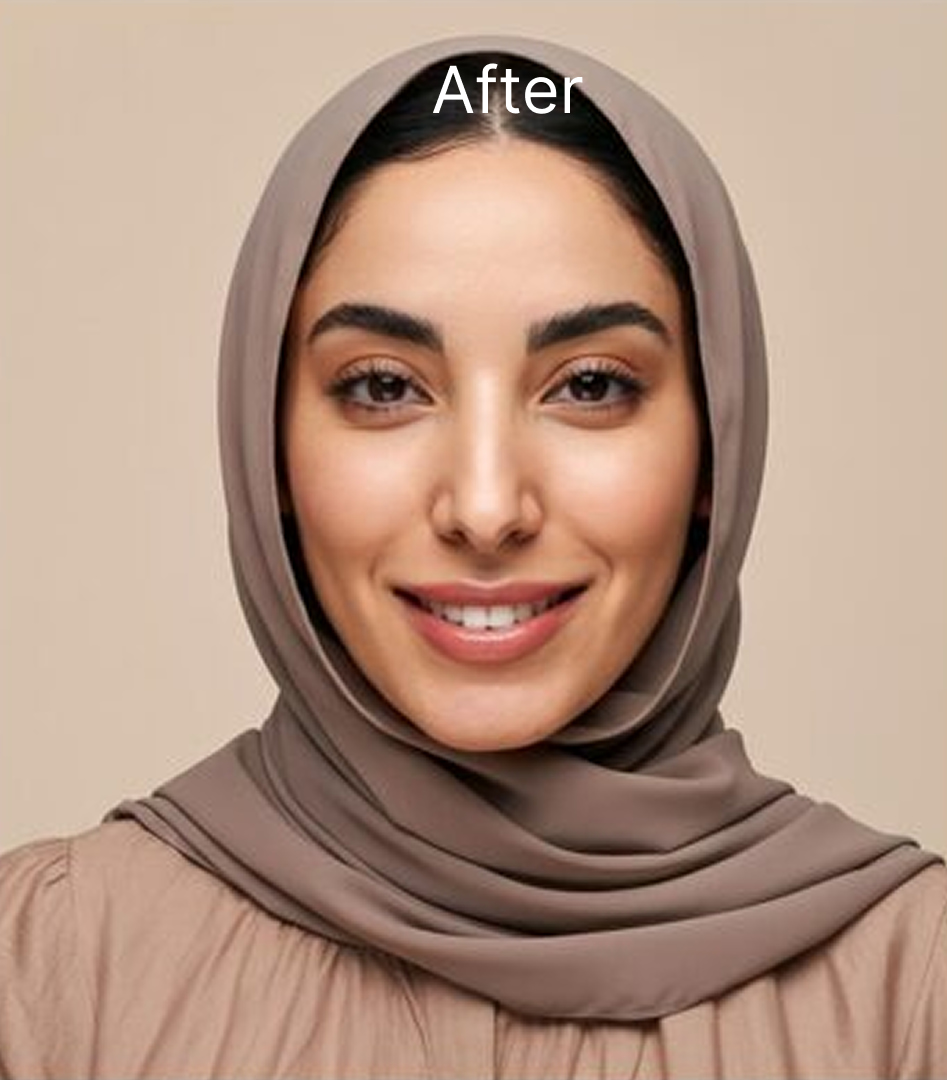
Before and After
See the results achieved by our experienced specialists.
Why Scar Treatment Needs A Combined Approach
Most patients arrive with more than one scar type on the same face, which is why single-treatment plans underperform.

Assessment first
The scar types present are identified before any treatment is selected. This determines everything that follows.

Treating the cause, then the surface
Tethered scars are released before resurfacing, because resurfacing a tethered scar has limited effect.
Colour and texture are separate problems
Pigmentation and redness are treated differently from depressions. Distinguishing them prevents unnecessary treatment.

Active acne is controlled first
Treating scars while acne is still active risks new scarring. Where acne is ongoing, our dermatologists address it before scar work begins.

Results build across a course
Collagen remodelling continues for months after the final session. Final assessment is made well after treatment ends, not immediately.

Scar Treatment Aftercare — What To Do After Your Treatment
Following your treatment at Yoland, please observe the following aftercare guidelines to protect your results and support healing:

Apply broad-spectrum SPF 50 daily and reapply — sun exposure after resurfacing is the most common cause of pigmentation

Avoid direct sun and tanning entirely for the period your doctor specifies

Keep the area clean and use only the products your doctor has approved
Do not pick, scratch or exfoliate the treated skin while it is healing

Avoid strenuous exercise, saunas and steam rooms for 48 hours
Pause retinoids, acids and active skincare until your doctor confirms you can resume

Expect bruising after subcision — this is normal and settles over one to two weeks

Contact the clinic immediately on 04 288 3800 if you experience any unusual side effects
Scar Treatment Prices At Yoland Specialist Polyclinic, Dubai
Most plans combine techniques across a course of sessions; your doctor will set out the full course and its cost during your consultation. All pricing is provided in writing before any procedure begins — there are no surprise charges at Yoland.
Meet Our Specialist Team
Our DHA licensed doctors combine dermatological assessment with aesthetic technique — which matters more in scar treatment than in almost any other procedure, because identifying the scar type correctly determines whether the plan works. They will tell you honestly what degree of improvement is realistic for your scarring before you commit to a course.
Frequently Asked Questions
Can acne scars be removed completely?
Scar treatment aims for significant improvement rather than removal. Scar tissue is structurally different from surrounding skin and that difference cannot be entirely erased. Most patients achieve a substantial reduction in the depth and visibility of their scarring across a course, and your doctor will give you a realistic expectation for your specific scar types at consultation.
How many sessions will I need?
Most plans involve three to six sessions, spaced four to six weeks apart. The number depends on scar type, depth and how your skin responds. Deeper or mixed scarring generally needs more sessions, and your doctor will confirm the expected course after assessment rather than estimating in advance.
Which treatment is best for acne scars?
There is no single best treatment — it depends on the scar type. Rolling scars usually need subcision, boxcar scars respond to resurfacing, ice-pick scars need focal techniques, and pigmentation is treated differently from all three. Most faces have several types present, which is why plans usually combine methods.
Can scar treatment be done on darker skin tones?
Yes, but treatment selection and settings must be adjusted. Darker skin carries a higher risk of post-inflammatory hyperpigmentation after aggressive resurfacing, so the approach is chosen accordingly and often built up more gradually. This is assessed at consultation before anything is recommended.
Can stretch marks be treated?
Yes, and treatment can produce meaningful improvement in texture and colour. Newer red or purple stretch marks generally respond better than older white ones. As with other scarring, the aim is improvement rather than removal.