
PRP Treatment in Dubai for Skin & Hair

Using Your Own Plasma to Stimulate Natural Repair

What Is PRP and How Does It Work?

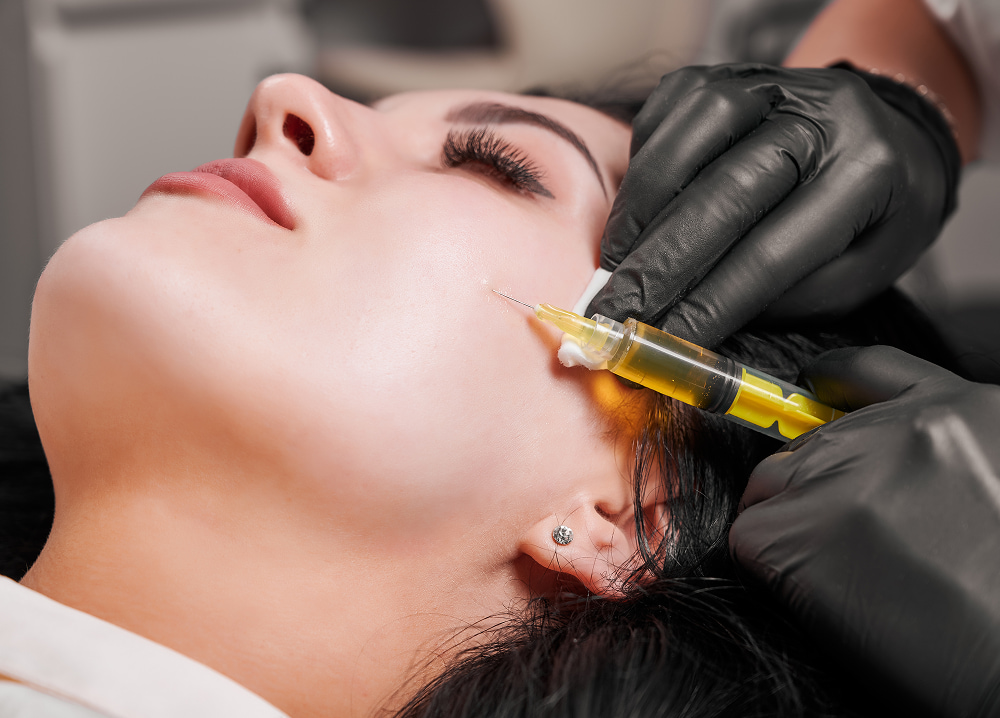
Platelet-Rich Plasma, or PRP, is a treatment that uses a concentrated portion of your own blood to stimulate repair and regeneration. A small sample of blood is drawn, then spun in a centrifuge to separate the plasma and concentrate the platelets. Those platelets carry growth factors the signalling proteins your body uses to trigger healing and tissue repair and the concentrate is injected back into the area being treated.

Because PRP is derived entirely from your own blood, there is no foreign substance introduced and no risk of allergic reaction to the product itself. The treatment does not add volume or change shape. It works by prompting your own tissue to repair, which means results build gradually across a course of sessions rather than appearing immediately. A typical course is three to six sessions spaced four to six weeks apart, followed by maintenance.

PRP Treatment in Dubai

Our doctors treat the following with PRP at our Nadd Al Hamar clinic:

PRP for Hair Loss

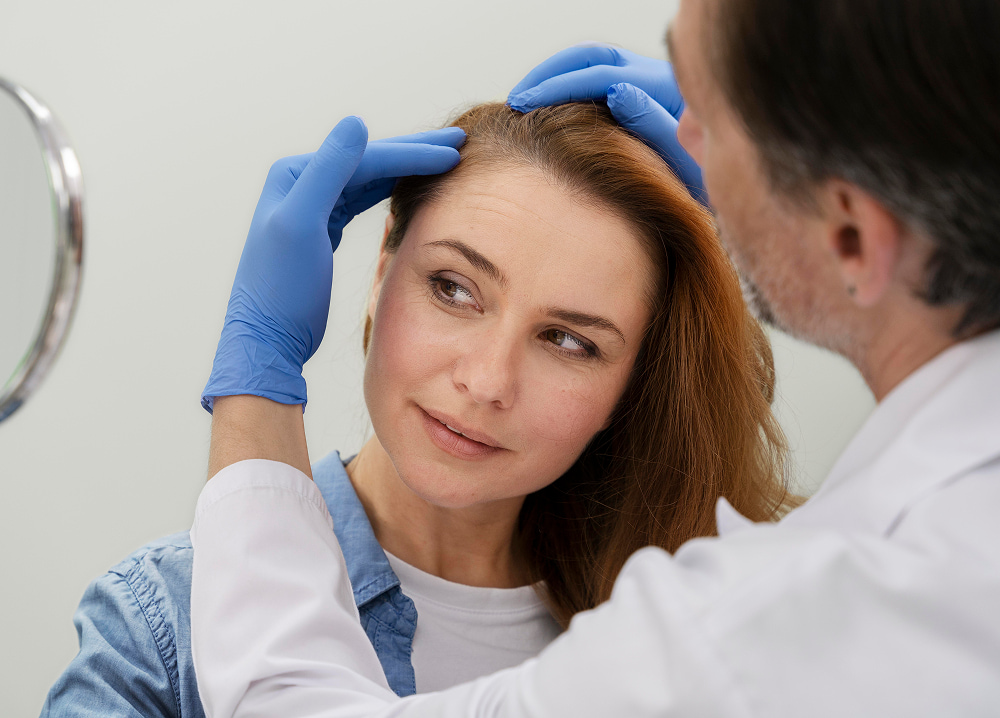
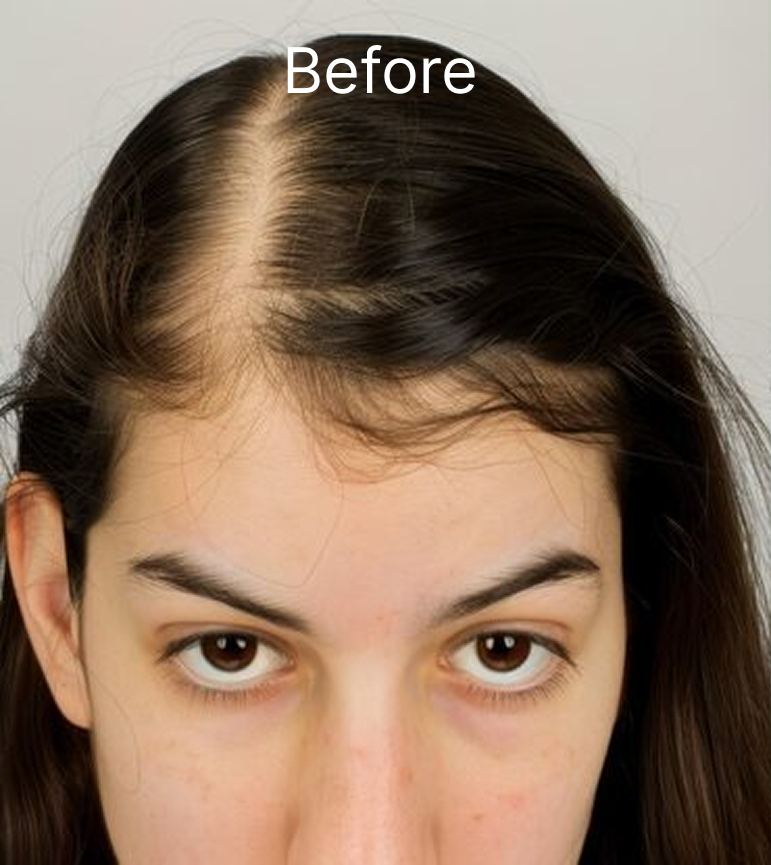
PRP is one of the most established in-clinic treatments for hair thinning, and at Yoland it is delivered as part of a diagnosed treatment plan rather than as a standalone product. That distinction matters more in hair loss than almost anywhere else in aesthetics. Hair loss has many causes: iron or vitamin D deficiency, thyroid dysfunction, telogen effluvium after illness or stress, inherited pattern hair loss, scalp conditions, and they respond to different treatments. PRP supports active follicles, but it will not correct a deficiency that shows up on a blood test, and it cannot revive follicles that have been dormant for years.

Our doctors assess the cause first, including blood tests where indicated, then recommend PRP where it genuinely fits. Where something else is driving the loss, we address that too.

Why Choose PRP for Hair at Yoland?

PRP for Skin Rejuvenation

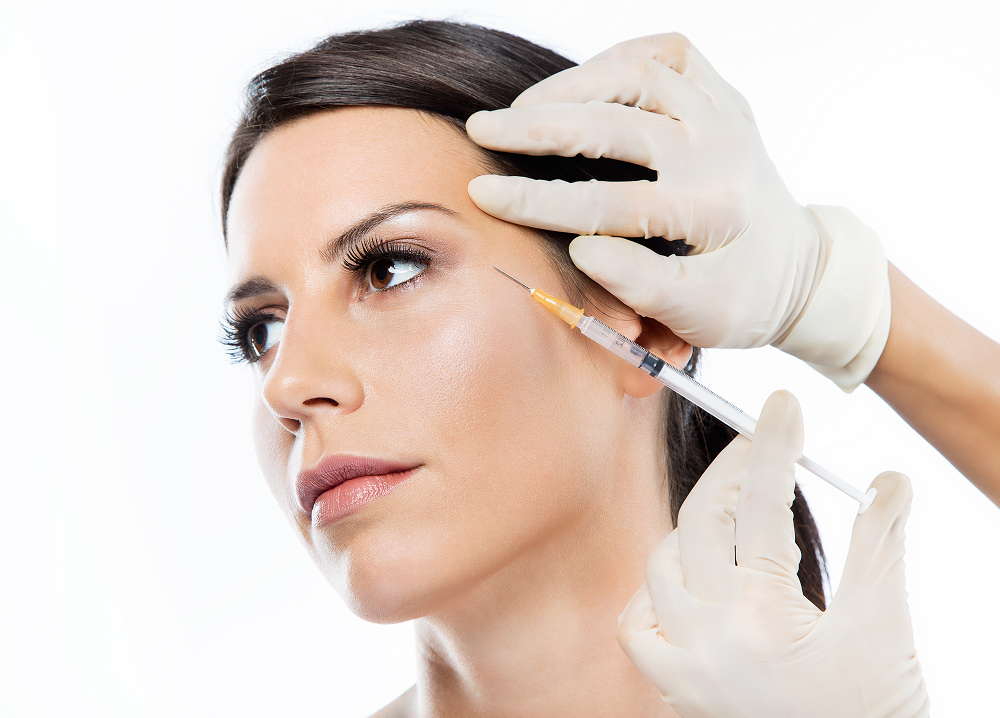
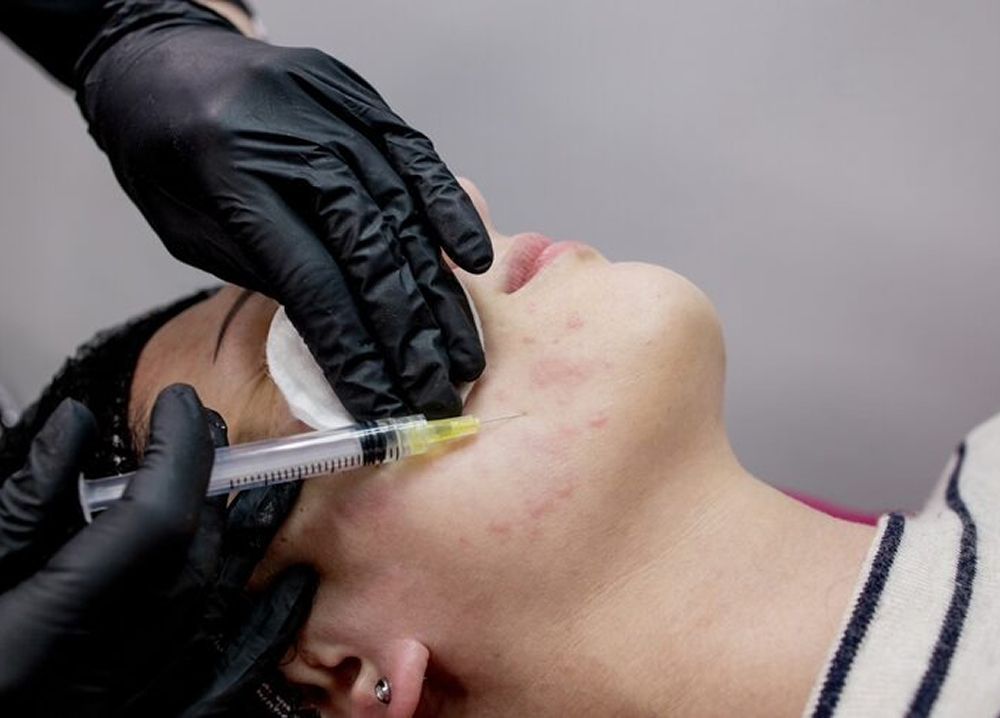
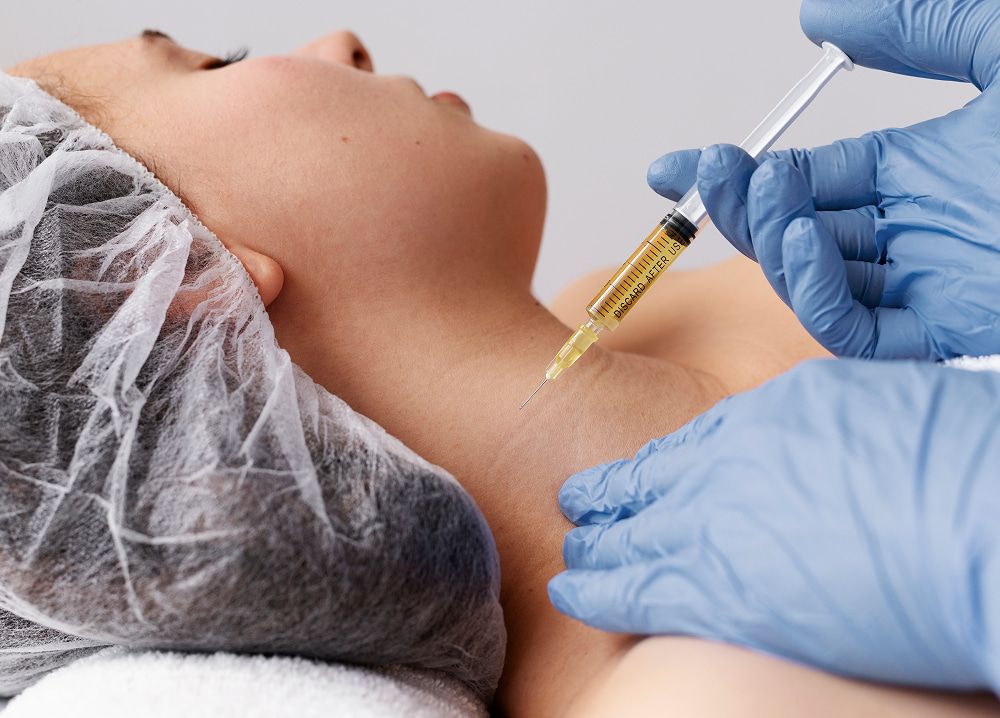
Facial PRP, sometimes called the vampire facial, stimulates your own collagen production to improve skin texture, firmness, and quality. It does not add volume or relax muscles, which makes it a different category of treatment from fillers or Botox and one that combines well with both. It suits patients who want improvement in skin condition rather than change in facial structure, and those who prefer a treatment using their own biological material rather than an injected product.

Results build gradually as new collagen forms, typically becoming visible from around the second or third session and continuing to improve for some months after the course completes.

Why Choose PRP for Skin at Yoland?

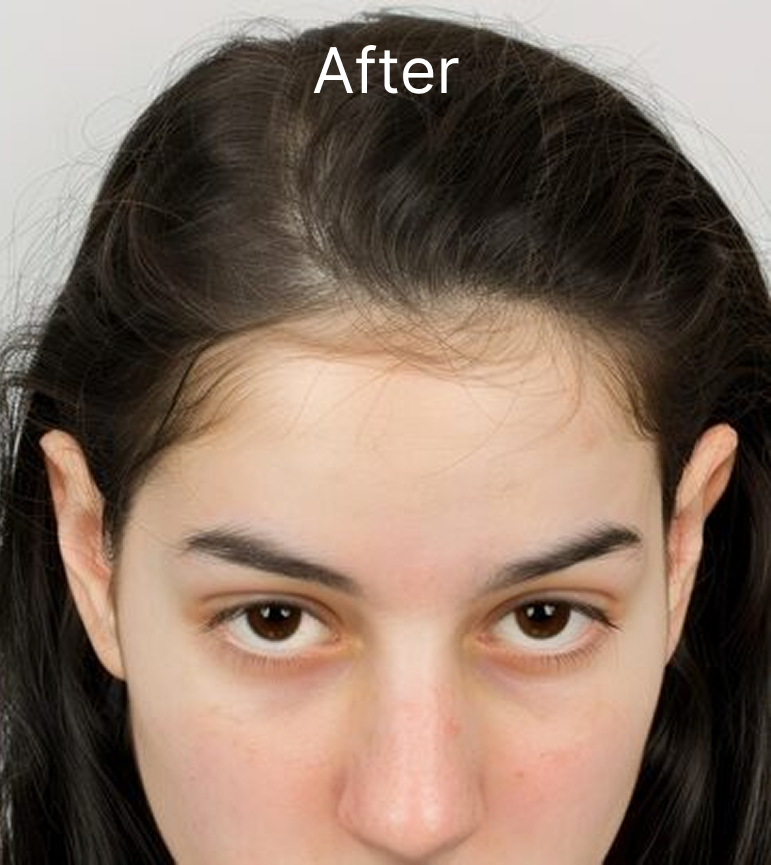
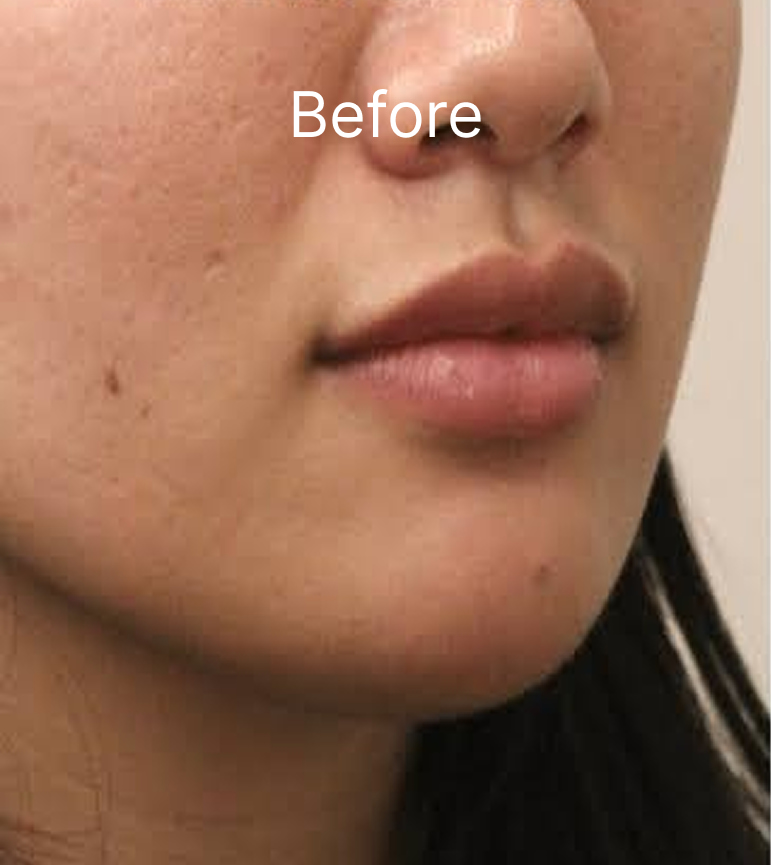
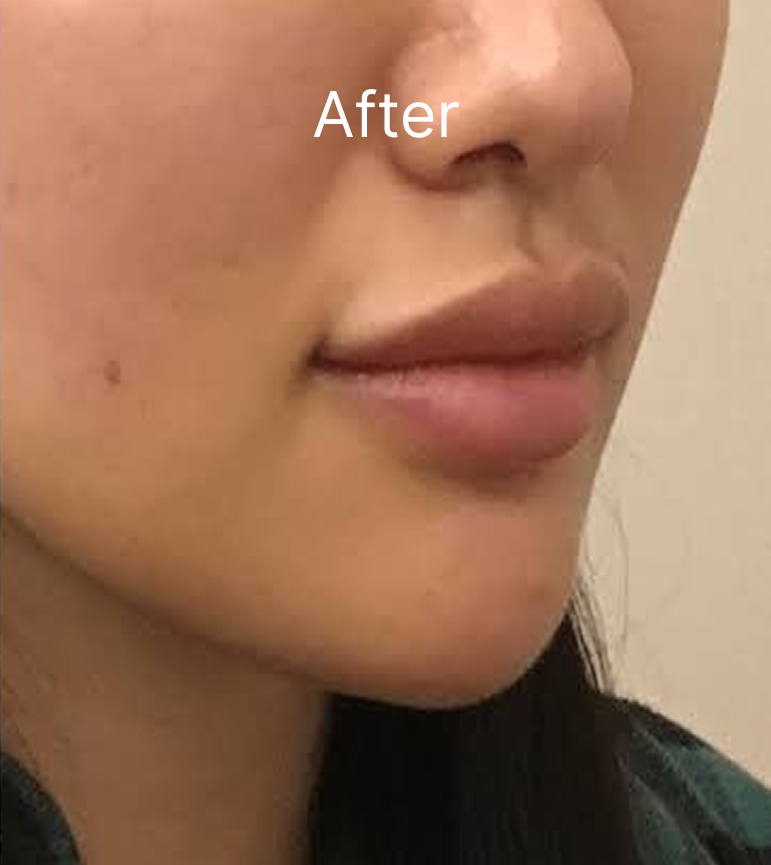
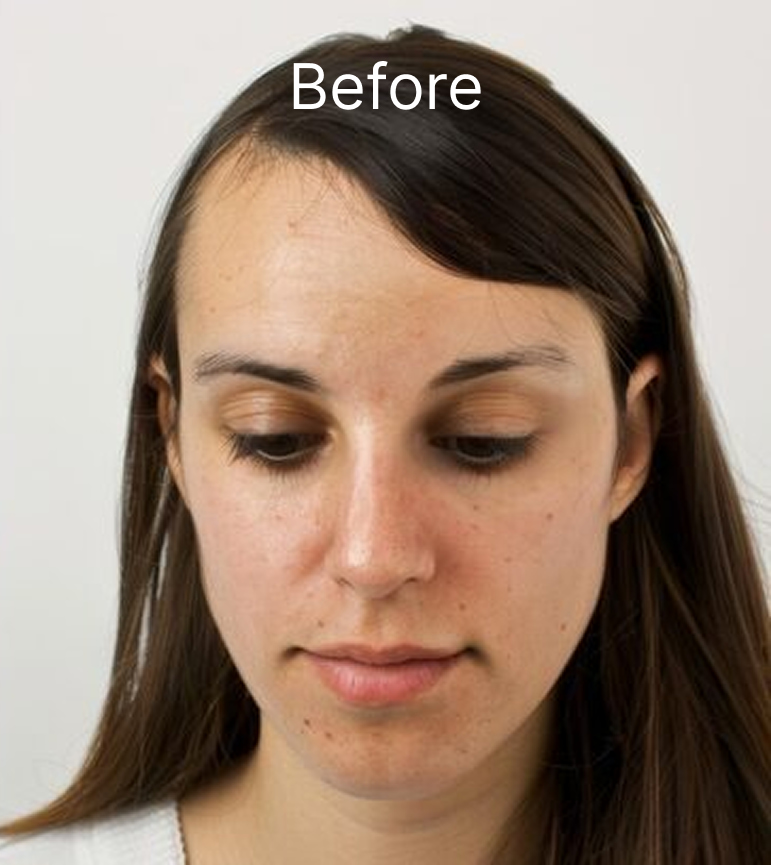
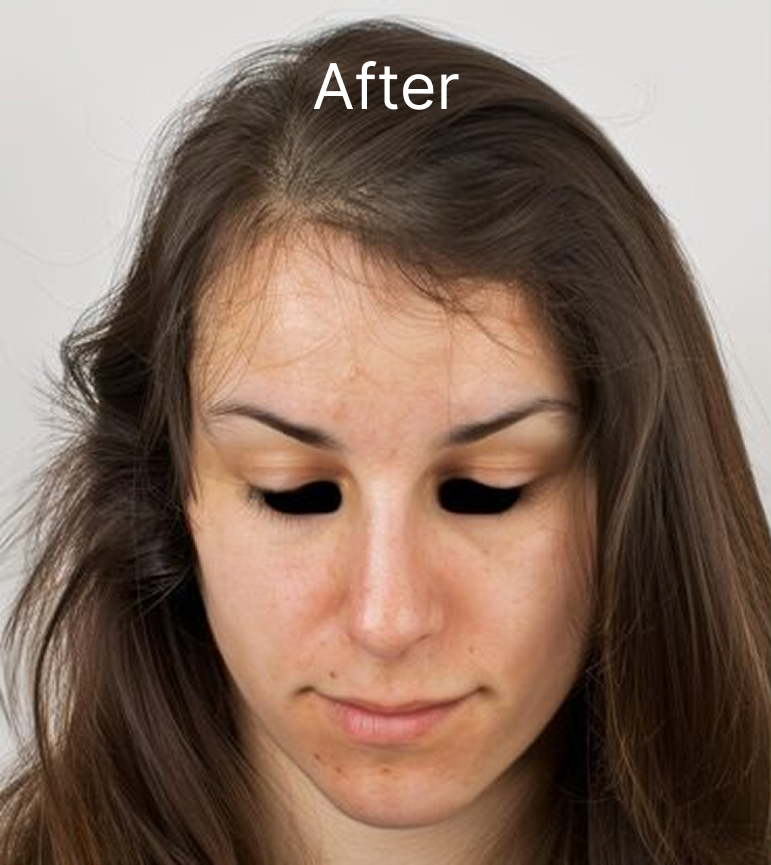
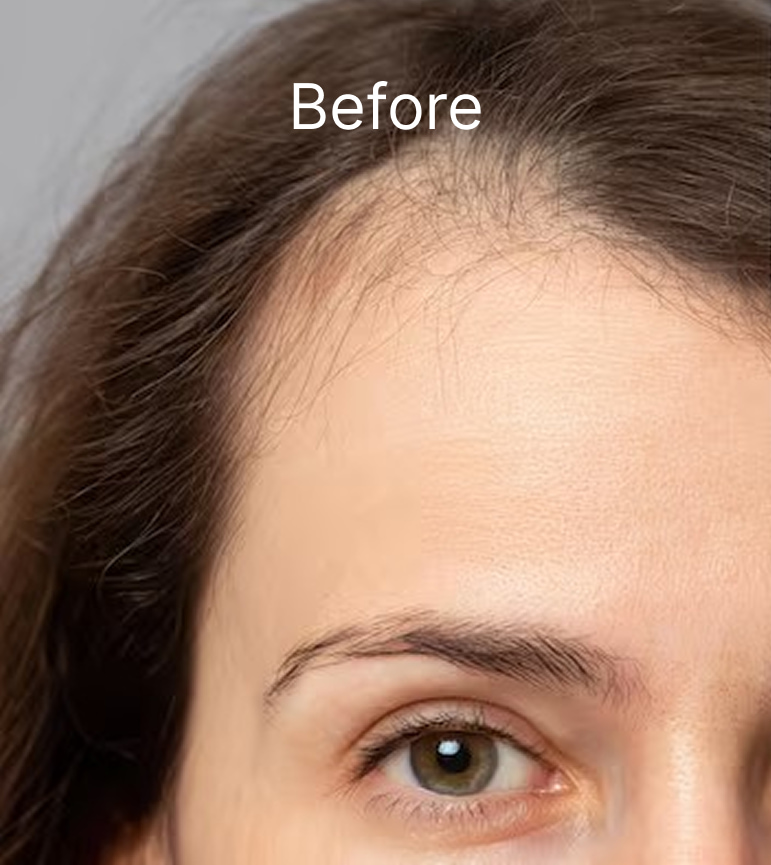
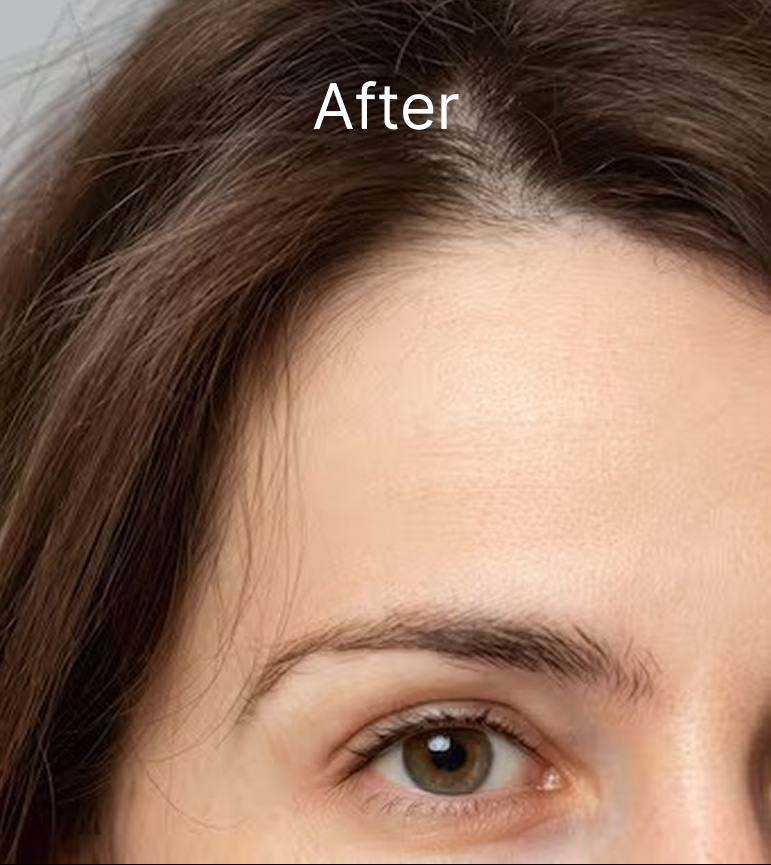
Before and After

See the natural-looking results achieved by our experienced specialists.

What PRP Treats

PRP stimulates repair using growth factors concentrated from your own blood.

Hair Thinning

Supports active follicles and improves the scalp environment as part of a diagnosed hair loss plan.
Skin Texture

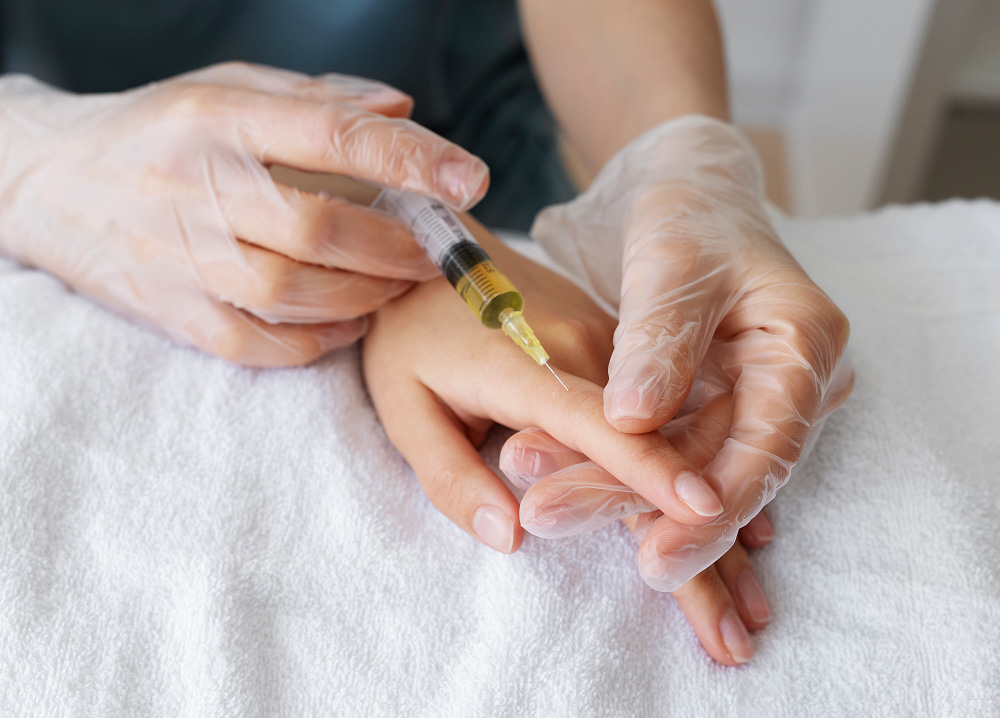
Stimulates collagen production to improve skin quality across the face, neck and hands.

Acne Scarring

Combined with microneedling to improve the appearance of textural acne scarring.

Under-Eye Crepiness

Improves fine crepey texture in the thin skin beneath the eyes.

Early Skin Ageing

Prompts the skin's own repair processes as a preventive approach using your own biological material.

PRP Aftercare

Following your PRP treatment at Yoland, please observe the following aftercare guidelines to protect your results and minimise the risk of any side effects:

Do not wash your hair for at least 24 hours after scalp PRP

Do not touch, rub or apply makeup to treated facial skin for at least 12 hours
Avoid strenuous exercise, saunas, steam rooms and swimming for 48 hours

Avoid alcohol for 24 hours before and after treatment
Stay out of direct sunlight and apply sun protection once the skin has settled
Avoid harsh hair products, chemical treatments, peels or exfoliation for one week

Contact the clinic immediately on 04 288 3800 if you experience any unusual side effects

What PRP Treats

We price PRP by treatment area and by session; your doctor will set out the recommended number of sessions and the total cost during your consultation. All pricing is provided in writing before any treatment begins.

Meet Our Specialist Team

Our DHA-licensed doctors deliver PRP as part of an assessed plan. For hair in particular, that means establishing the cause of loss before recommending treatment because PRP works well for some causes and not at all for others.

Frequently Asked Questions

Is PRP safe?
PRP uses your own blood, so there is no foreign substance introduced and no risk of allergic reaction to the product itself. When performed by a trained, DHA-licensed doctor using sterile technique, it has a strong safety record. The most common side effects are mild and temporary tenderness, redness, or slight swelling at the treated area.

Cost depends on the area treated and the number of sessions recommended. We provide a written cost breakdown during your consultation before treatment begins.

Typically three to six sessions spaced four to six weeks apart, followed by maintenance. Your doctor will confirm the schedule for your concern at consultation.

A small blood sample is taken first, as with any blood test. The injections themselves are well tolerated, and topical numbing cream can be applied beforehand, particularly for the scalp and face. Most patients describe mild discomfort rather than pain.

PRP supports follicles that are still active. Follicles dormant for a long period are unlikely to be recoverable. This is why early treatment gives better outcomes, and why we assess the stage of loss before recommending it.

Often, yes. Iron, ferritin, thyroid function and vitamin D are common contributors to hair loss, particularly in women, and none can be assessed by looking at the scalp. Treating a deficiency is more effective than treating around it.

Because PRP works by stimulating your own repair processes, results build gradually. Most patients notice change from around the second or third session, with continued improvement for some months after the course completes.

Yes. For skin it is frequently combined with microneedling, particularly for acne scarring. For hair it combines with mesotherapy and medical treatment. Your doctor will sequence the treatments appropriately.