
Microneedling in Dubai
Stimulating Your Skin's Own Repair to Improve Texture, Scarring and Tone
- Skin Condition
- Nail Condition
- Hair & Scalp
- Minor Procedures
- Botox
- Dermal Fillers
- Mesotherapy
- Skin Booster
- PRP Treatment
- Fat-Dissolving Injection
- Non-Surgical Facial Lifting
- Collagen Biostimulator
- Microneedling
- Scar & Acne Scar
- Cellulite Treatment
- Laser Hair Removal
- Carbon Laser Facial
- Laser Pigmentation
- Laser Acne Scar
- Redness & Vascular
- Tattoo Removal
- Skin Tag Removal
- Deep Cleansing Facials
- Chemical Peels
- Enlarged Pore Treatments
- Skin Brightening
- Stretch Mark Treatment
- RF Microneedling
What is Microneedling and How Does it Work?
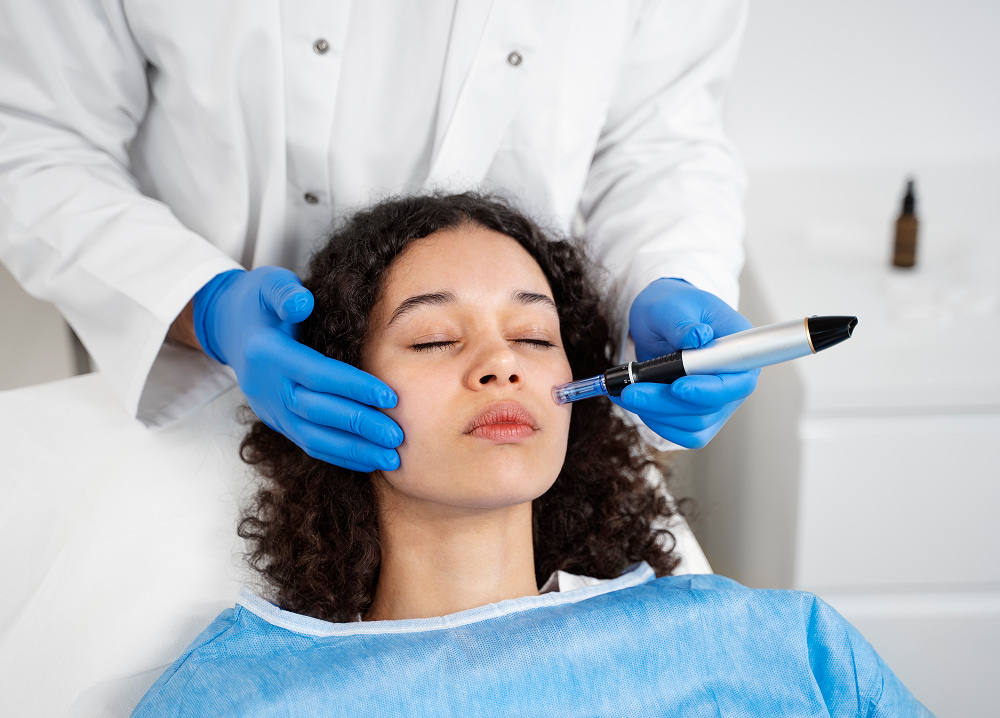
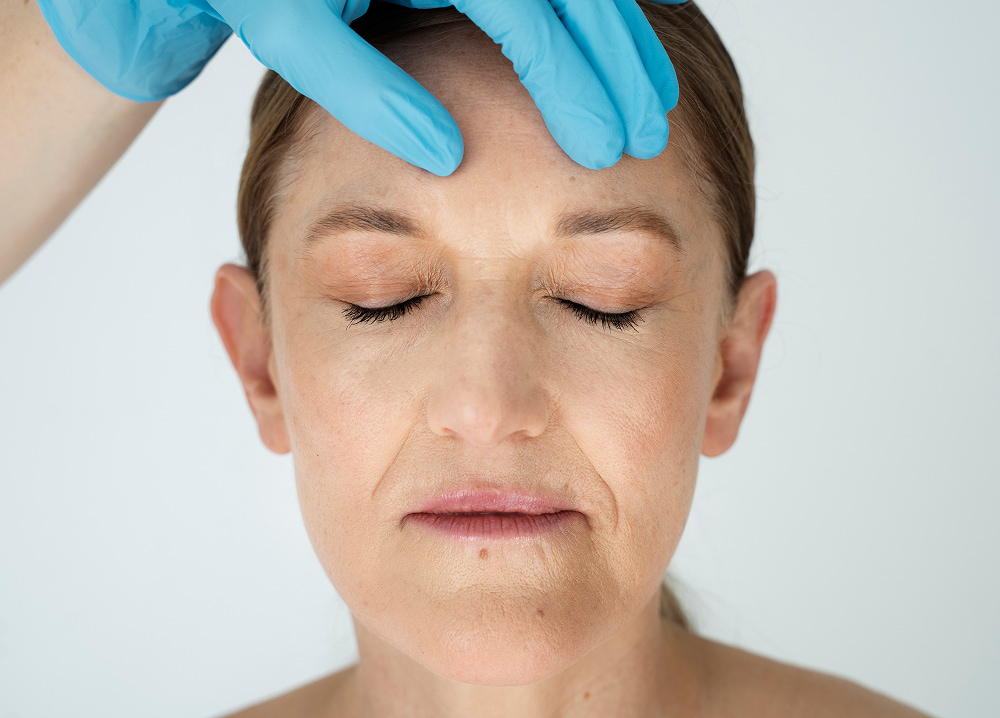
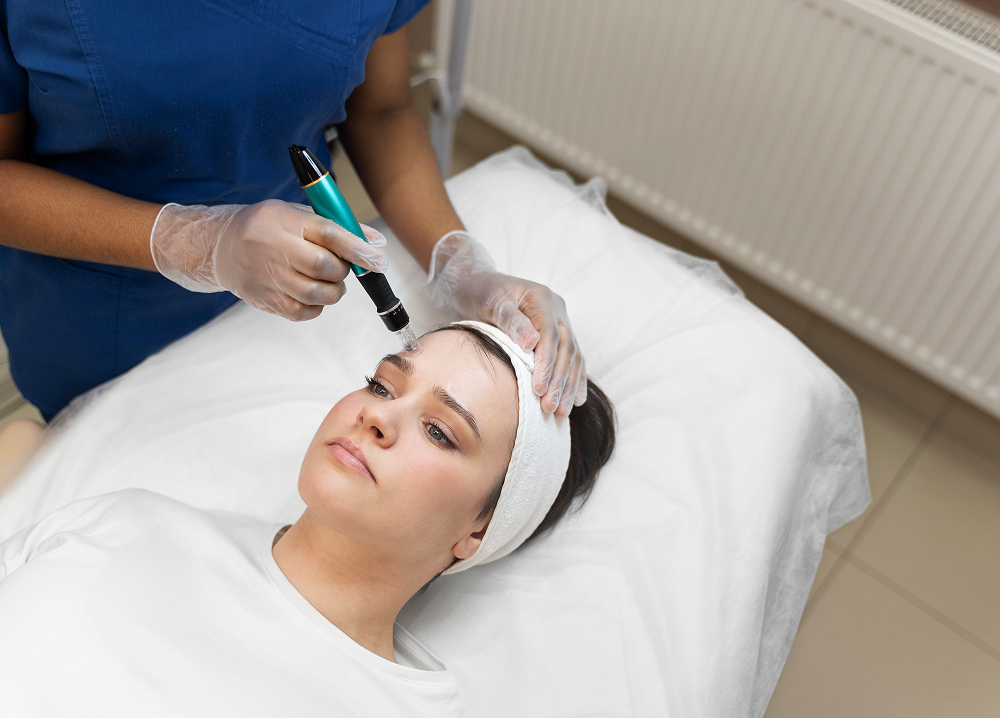
Microneedling is a treatment in which very fine needles create controlled micro-channels in the skin. Each channel is a tiny, precisely limited injury, and the skin responds to it exactly as it responds to any wound, by initiating repair. That repair process produces new collagen and elastin in the treated area.
The principle is that a controlled injury drives a controlled repair. Because the channels are microscopic and the surrounding skin is left intact, healing is rapid, and there is no lasting damage. What remains afterwards is skin that has rebuilt itself: thicker, firmer, more even in texture and tone.
The needle depth is adjusted according to what is being treated and where. Superficial settings improve surface texture, tone and product absorption. Deeper settings reach the level where acne scarring and stretch marks sit. This adjustability is what makes microneedling useful across such a wide range of concerns, and why the same treatment produces very different results depending on how it is delivered.
Results build across a course rather than appearing after one session. A typical course is three to six sessions spaced four to six weeks apart, with collagen continuing to develop for months after the final treatment.
What Microneedling Treats at Yoland Clinic
Our doctors treat the following at our Nadd Al Hamar clinic:
Acne Scarring
One of the strongest applications for microneedling. Deeper settings drive collagen remodelling within depressed scars, gradually softening their edges and reducing their depth. Boxcar and shallow rolling scars respond best; deeply tethered scars usually need subcision alongside.
Skin Texture & Roughness
Uneven, rough or dull skin texture improves as new collagen is laid down and surface cell turnover increases. This is often the first change patients notice, and it appears earlier in the course than the scar-related results.
Enlarged Pores
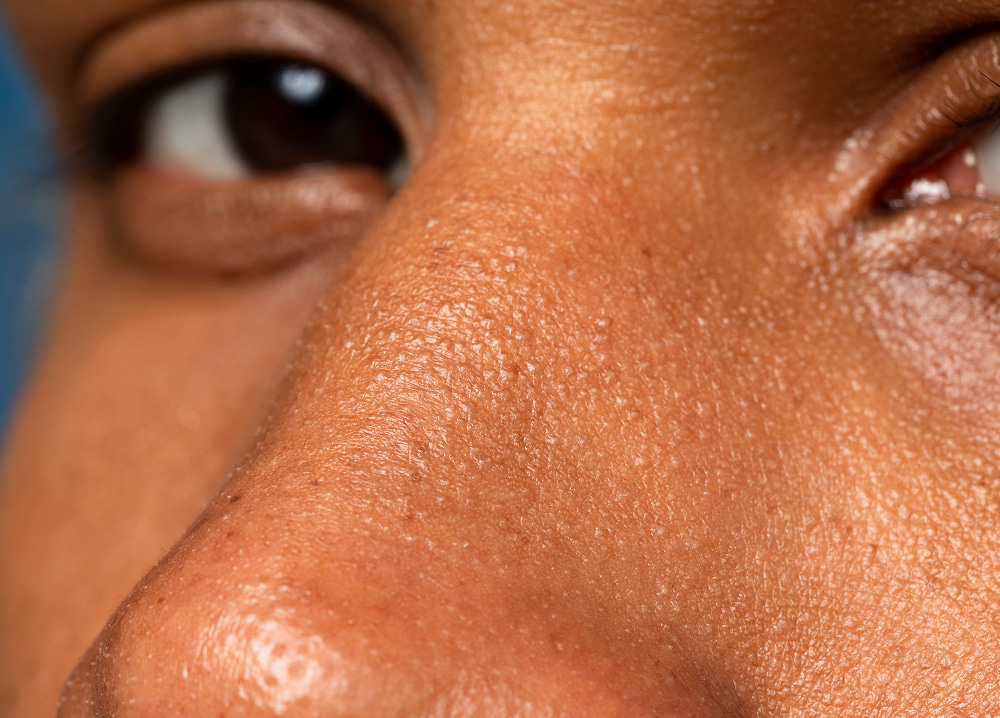
Pore appearance is largely determined by the firmness of the skin surrounding each pore. As collagen rebuilds and the skin thickens, the surrounding support tightens and pores appear visibly smaller.
Fine Lines & Early Wrinkles
Fine lines caused by thinning skin and collagen loss soften as the dermis thickens. Microneedling addresses lines of this type well; it does not treat deep expression lines caused by muscle movement, which are a Botox concern.
Skin Laxity & Firmness
Early loss of firmness responds to the collagen and elastin rebuilt during the healing response. Microneedling suits mild laxity and works well as part of a broader firming plan rather than as a standalone answer to significant sagging.
Pigmentation & Uneven Tone
Uneven tone and some forms of pigmentation improve through increased cell turnover and better product penetration. Not all pigmentation types are suitable for microneedling, and assessment before treatment matters — melasma in particular requires careful handling.
Stretch Marks
Stretch marks are dermal scarring and respond to the same remodelling process. Newer red or purple marks improve more readily than older white ones. Treatment aims for meaningful improvement in texture and colour rather than removal.
Neck, Décolletage & Hands
Areas that show ageing early and are frequently neglected. The thinner skin here responds well to adjusted settings, improving crepiness, texture and firmness in regions where other treatments are less suitable.
Classic Microneedling in Dubai
Classic microneedling uses a controlled-depth device to create micro-channels across the treated area, with depth adjusted to the concern and the region being treated. It is the most versatile version of the treatment suitable for face, neck, décolletage, hands and body, and appropriate across a wide range of skin tones.
It also improves how well active skincare works. The micro-channels allow serums applied during treatment to penetrate far deeper than they could through intact skin, which is why microneedling is often paired with vitamin infusions, hyaluronic acid or growth-factor preparations in the same session.
Why Classic Microneedling at Yoland?
- Depth adjusted precisely to the concern being treated
- Suitable across a wide range of skin tones when properly assessed
- Usable on face, neck, décolletage, hands and body
- Enhances absorption of actives applied during the session
- Minimal downtime — typically redness for one to three days
Radiofrequency Microneedling in Dubai
Radiofrequency microneedling combines the mechanical stimulation of microneedling with controlled thermal energy delivered through the needle tips into the deeper layers of the skin. That heat causes existing collagen to contract immediately and triggers a stronger, deeper remodelling response than needling alone.
The result is more pronounced tightening and firmer, more significant collagen rebuilding — which makes it the better option where laxity is a genuine concern alongside texture, or where acne scarring is deeper. Because the energy is delivered below the surface rather than across it, it can be a suitable option for a broader range of skin tones than many resurfacing treatments, though assessment remains essential.
Why RF Microneedling at Yoland?
- Delivers tightening as well as texture improvement
- Reaches deeper for more significant collagen remodelling
- Effective for deeper acne scarring and early jawline laxity
- Energy delivered below the surface rather than across it
- Assessed for suitability against your skin type before treatment
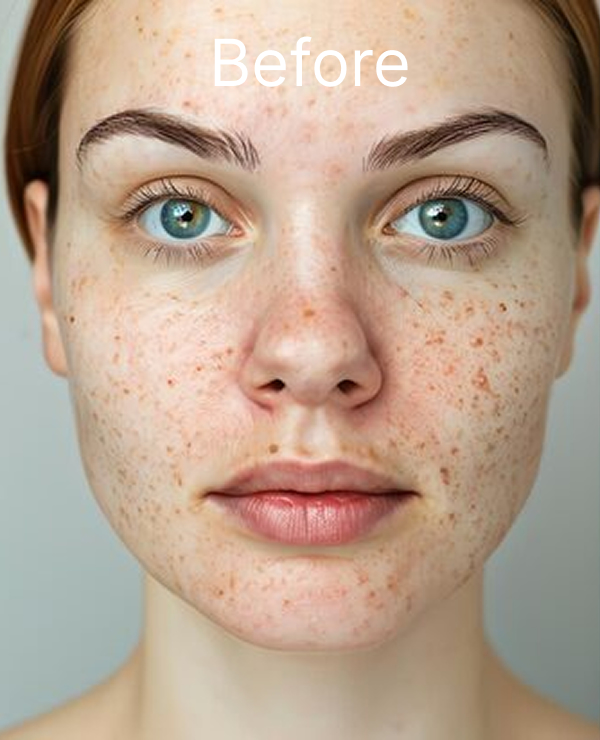
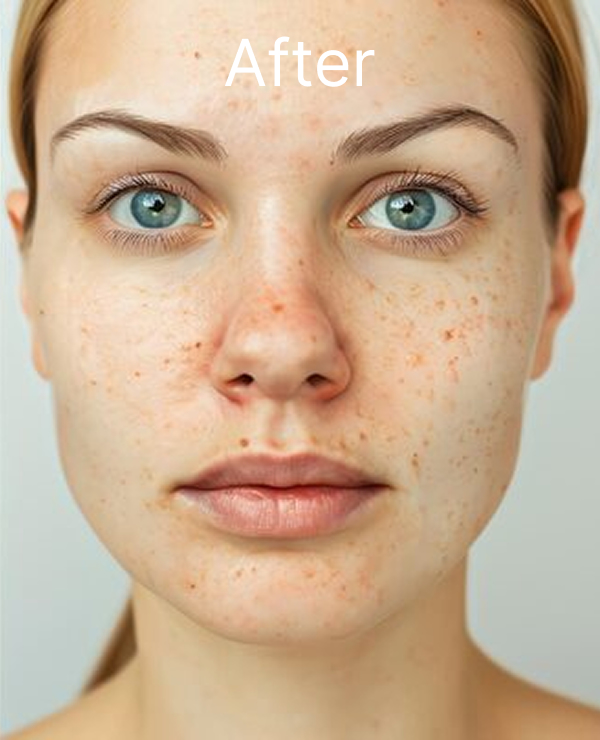
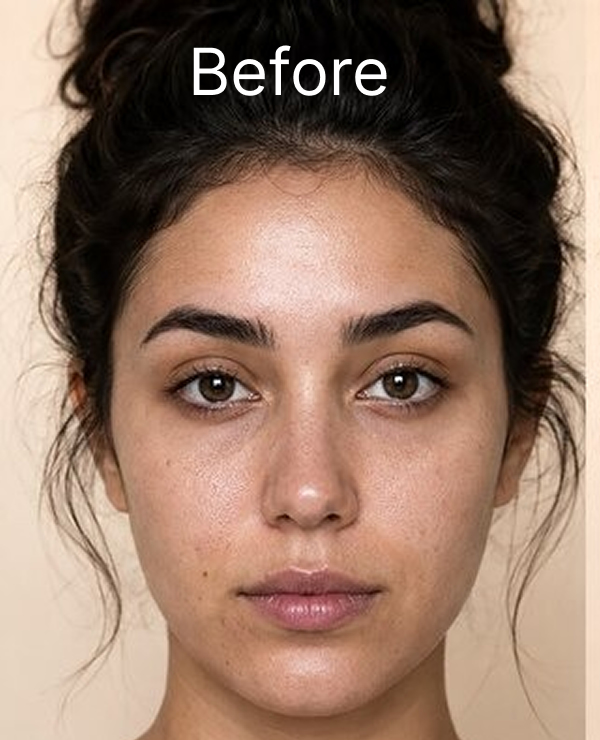
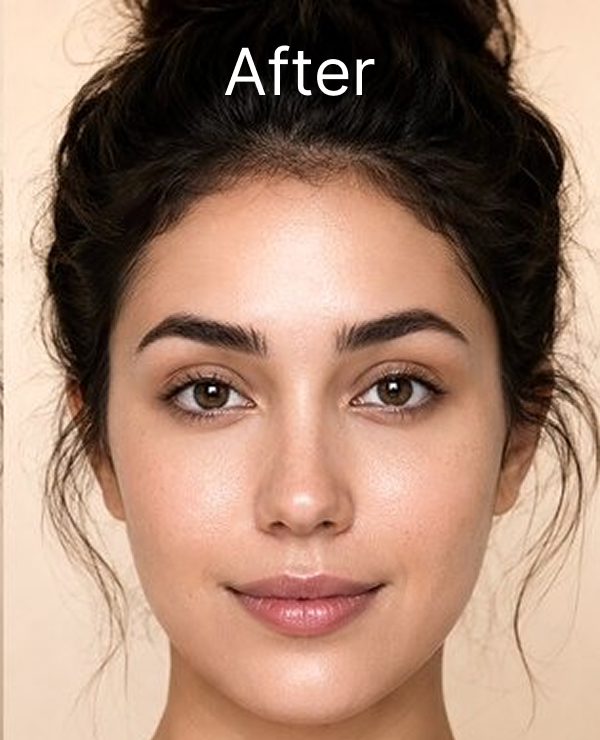
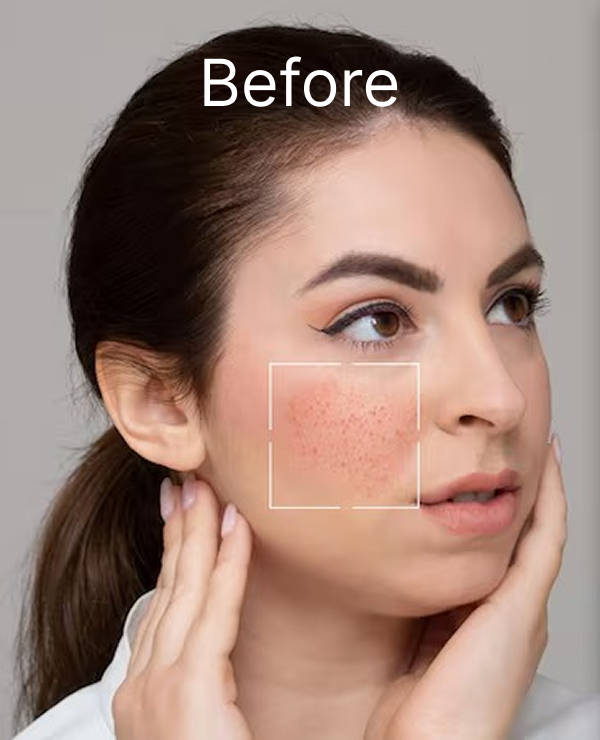
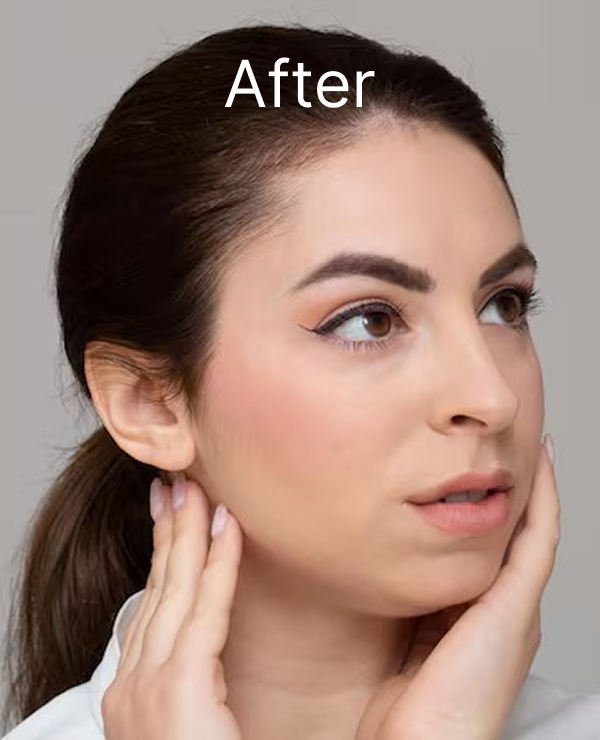
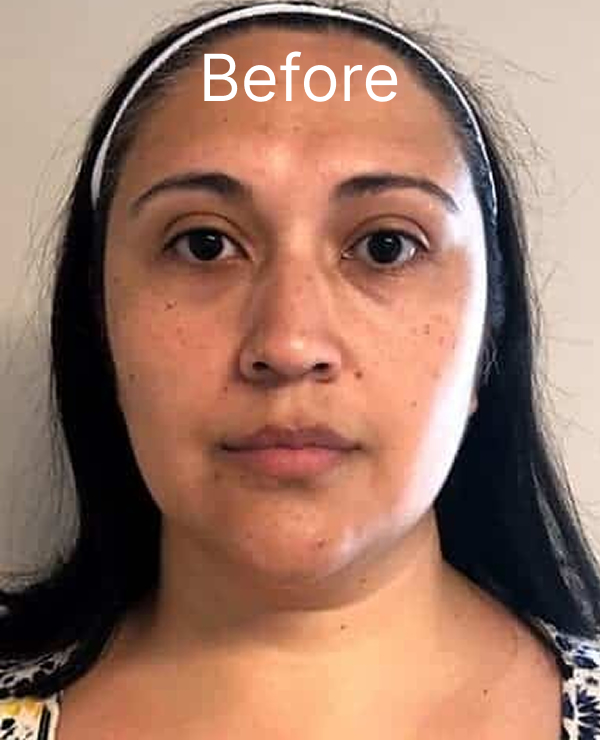
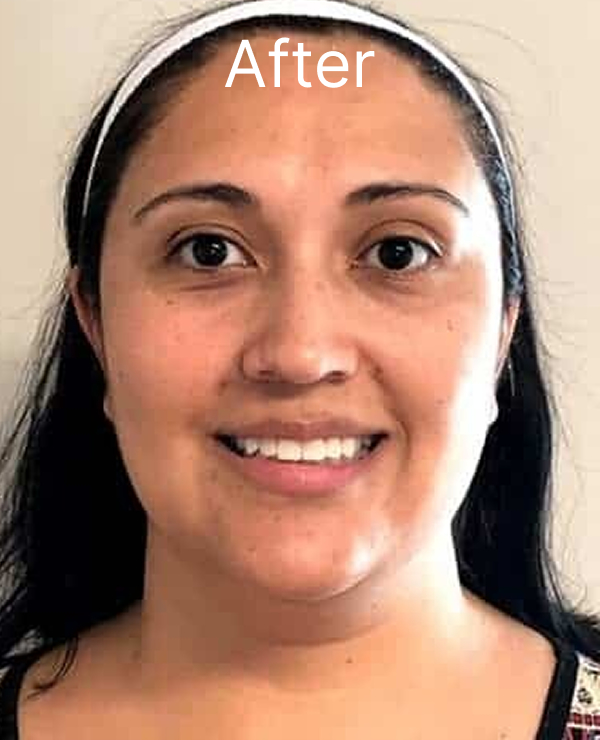
Before and After
See the results achieved by our experienced specialists.
What to Expect Across a Microneedling Course
Microneedling is a course treatment. Knowing the timeline in advance is part of being satisfied with the result.

Days 1–3
Redness resembling mild sunburn, sometimes with slight tightness or swelling. This is the expected response and settles quickly.

Days 3–7
Redness fades and some light flaking may occur as surface cells turn over. Most patients see an early improvement in glow and smoothness.

Weeks 2–4
New collagen begins forming in the treated area. Texture continues improving, though scarring and firmness changes are not yet obvious.

After session 3 onward
Cumulative change becomes clearly visible. This is where scarring and pore improvements typically become noticeable.

Months after the final session
Collagen remodelling continues for three to six months after treatment ends. Final assessment is made well after the course, not immediately.

Microneedling Aftercare —What To Do After Your Treatment
Following your treatment at Yoland, please observe the following aftercare guidelines to protect your results and support healing:

Apply broad-spectrum SPF 50 daily and reapply — sun exposure after microneedling is the most common cause of pigmentation
Avoid direct sun exposure entirely for the period your doctor specifies

Use only the cleanser and moisturiser your doctor has approved for the first few days

Pause retinoids, acids, vitamin C and all active skincare until your doctor confirms you can resume

Do not wear makeup for 24 hours after treatment

Avoid strenuous exercise, saunas, steam rooms and swimming pools for 48 hours

Do not pick or scratch any flaking skin — allow it to shed naturally

Contact the clinic immediately on 04 288 3800 if you experience any unusual side effects
Microneedling Prices at Yoland Specialist Polyclinic, Dubai
We price microneedling by area and by session; you pay for the areas you are actually having treated, and you can see the cost of a full course before you commit to it. All pricing is provided in writing before any procedure begins — there are no surprise charges at Yoland.
Meet Our Specialist Team
Our DHA-licensed doctors set needle depth, session spacing and course length according to what is being treated and your skin type — the same device produces very different outcomes depending on how it is used, and on darker skin tones the settings matter for safety as well as for results. They will tell you honestly what microneedling can and cannot achieve for your concern before you begin.
Frequently Asked Questions
Does microneedling hurt?
Topical anaesthetic cream is applied for around thirty minutes before treatment, and most patients find the procedure comfortable. You may feel light pressure and vibration. Deeper settings and bonier areas such as the forehead can be more sensitive. Tell your doctor if you are uncomfortable, and the settings can be adjusted.
How many microneedling sessions will I need?
Most patients need three to six sessions spaced four to six weeks apart. Texture and glow improve earlier in the course; scarring and firmness need more sessions. Your doctor will recommend a course length after assessing your skin.
Is microneedling safe for darker skin tones?
Yes — microneedling is generally considered one of the safer collagen-stimulating treatments across a range of skin tones, because it does not rely on light or heat energy applied across the surface. That said, settings and aftercare still matter, and suitability is assessed before treatment rather than assumed.
Can I have microneedling if I have active acne?
Not over actively inflamed or infected areas — treating over active acne risks spreading bacteria and worsening inflammation. Where acne is ongoing, our dermatologists will address it first. Once it is controlled, microneedling becomes a very effective treatment for the scarring left behind.
What is the difference between microneedling and RF microneedling?
Classic microneedling stimulates collagen mechanically through micro-channels. RF microneedling adds controlled thermal energy through the needle tips, producing deeper remodelling and more tightening. RF is generally the better option where laxity is a concern alongside texture, or where scarring is deeper.
Can I do microneedling at home with a dermaroller?
Home rollers work at a far shallower depth than clinical devices, so they do not produce comparable collagen stimulation. They also carry a real infection risk if not sterilised properly, and can cause damage if used incorrectly. Clinical microneedling is a different treatment, performed under sterile conditions with adjustable depth.